
Custom mesh carriers developed around contents and exposure

Mesh Bag Factory in China

Direct answer: Benshine Bags is a mesh bag factory in China with a published mesh beach-tote reference. Buyers should define the contents, smallest retained item, dimensions, packed load, mesh structure, ventilation or drainage goal, reinforcement, closure, carrying, branding, cleaning and required tests.

Beach and outdoor brandsSports and equipment buyersRetail and shopping programmesTravel and organization teams
Discuss on WhatsAppEmail Sales

Specify the opening as well as the material

Mesh bags work only when the structure suits the contents. The smallest item, sharp edges, wet conditions and packed load influence opening size, stretch, solid panels and reinforcement. An approved swatch or controlled material standard prevents ambiguity.

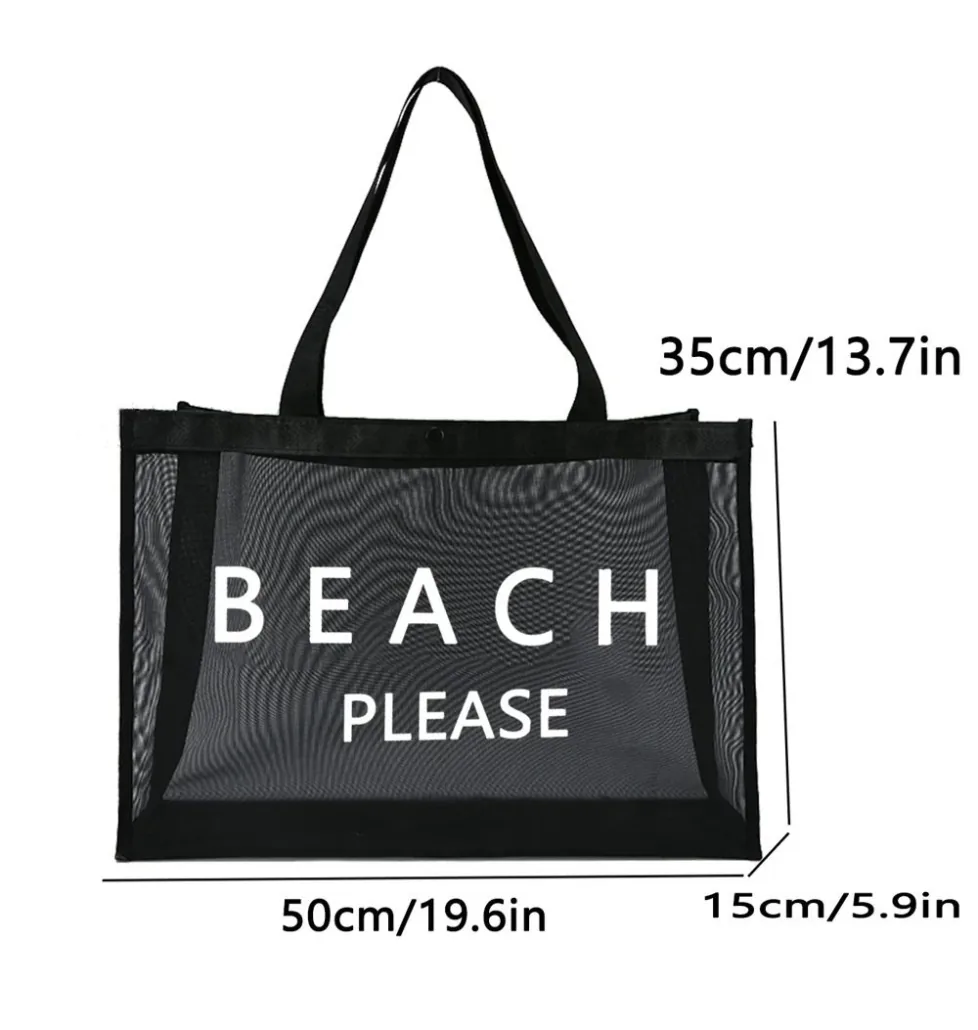
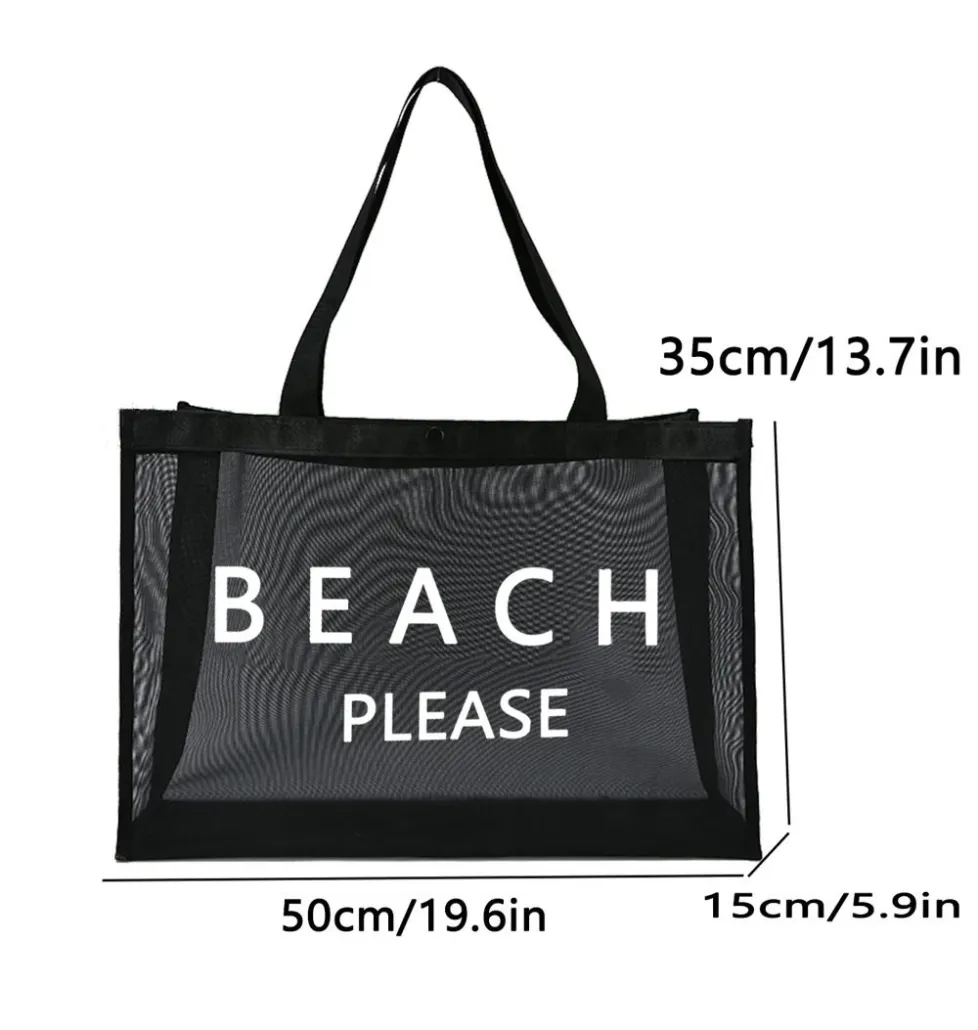
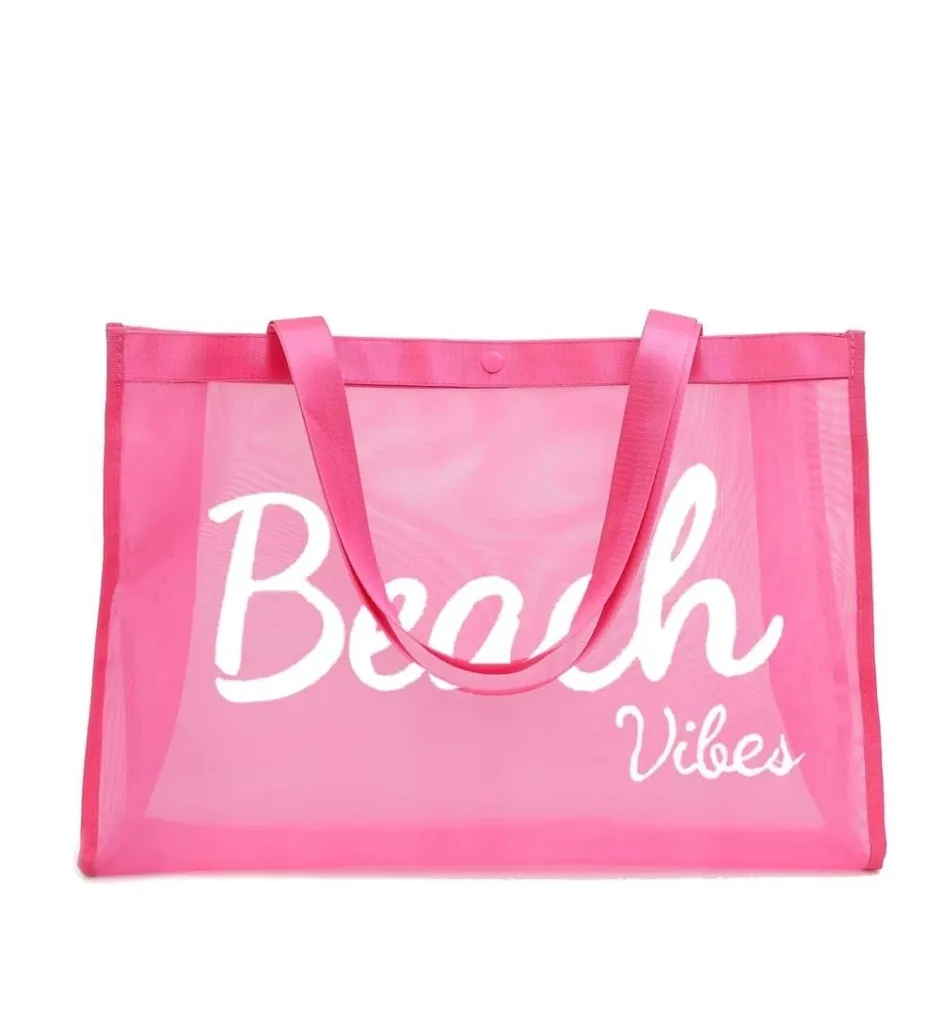
Benshine’s mesh beach tote is a published development reference. Final retention, ventilation, drainage, load, cleaning, price, quantity and timing remain project-specific.

Balance visibility, airflow and containment

Larger openings may improve visibility or drainage but can lose small items or snag. Solid panels can add structure and branding space while reducing open area. Evaluate these needs together using the real contents.

Validate the complete loaded construction

Mesh strength alone does not establish bag performance. Check panel seams, binding, base, handles and closure at the agreed packed load, and reproduce the intended wet, sandy or cleaning conditions when relevant.

A mesh tote bag factory brief should also define handle drop, opening security, solid branding areas and the smallest item that must remain contained. The published mesh beach tote is a real construction reference, while airflow, drainage, load and cleaning results remain buyer-defined test questions.

Application-led design

Choose the construction by how the bag will be used

An application is a starting point for specification—not a substitute for dimensions, materials, components and measurable requirements.

Mesh beach totes

Define towels, apparel, toys and small items, then balance ventilation, retention and carrying.

Sports equipment bags

Map balls, protective items or wet gear to mesh opening, load, closure and cleaning needs.

Travel organizers

Coordinate visibility, compression, snag risk, zipper or drawstring access and luggage placement.

Retail mesh carriers

Align product fit, handles, branding panels, checkout handling, folding and unit packaging.

Benshine product references

Explore mesh bags construction options

Select a reference to review the available source details, then identify what must change for your product.

Custom mesh beach tote development reference

Reference Tote Mesh Beach Bag

Mesh Beach Tote Bag

A mesh tote reference for discussing visibility, ventilation, reinforced panels, handles and beach use.

View reference →

RFQ specification checklist

Decisions to control before sampling

A complete brief helps Benshine review feasibility and gives buyers a clearer basis for comparing quotations and samples.

DecisionInformation to provideWhy it matters
Contents and retentionEvery item, minimum item dimension, quantity, packed weight, sharp points and containment needsThe mesh opening and panel layout must retain the smallest item without unacceptable snagging.
Mesh specificationFibre or polymer, opening geometry, weight, colour, stretch, hand feel and approved swatchThe word mesh does not define composition, opening size, strength or airflow.
Panels and reinforcementSolid panels, base, binding, seams, stress points, handles and load-test criteriaThe full construction, rather than mesh alone, controls carrying and loaded shape.
Exposure and cleaningSand, wet gear, salt, soil, washing method, drying expectations and test requirementsDrainage, colourfastness and cleanability need defined conditions and evidence.
Closure and brandingOpen top, zipper or drawstring; artwork panel, labels, colour references and packagingClosure affects containment, while a solid branding panel may change airflow and folding.

From reference to production brief

A controlled sourcing path

01

Inventory the contents and exposure

Provide item dimensions, smallest component, load, sharp points, wet or sandy conditions and cleaning.

02

Control the construction

Record mesh, panels, base, binding, seams, handles, closure, artwork, tests and packaging.

03

Review a loaded use-case sample

Check retention, snagging, access, carrying, loaded shape, drainage and agreed cleaning or load tests.

04

Confirm production details

Approve the controlled sample, material standard, quality points, packing and commercial terms.

Buyer questions

Frequently asked questions about mesh bags

What information is needed for a custom mesh bag?

Send the contents, smallest item, dimensions, packed load, mesh or approved sample, reinforcement, closure, handles, exposure, cleaning, artwork, tests, packaging, quantity, market and timing.

Does a mesh bag automatically provide a specific airflow or drainage rate?

No. Opening geometry, panel coverage, contents and test conditions affect airflow and drainage. Define a measurable requirement if the result matters.

Can mesh bags carry heavy sports equipment?

Feasibility depends on the mesh, panels, seams, binding, handles and load distribution. Test the complete approved bag at buyer-defined loads and conditions.

How is branding added to a mesh bag?

A solid panel, label or another agreed method can be explored. Approve placement and appearance on the representative construction because mesh itself may not suit all artwork.

What should a mesh tote bag specification control?

Control contents, smallest retained item, dimensions, opening, mesh structure, solid panels, base, handles, closure, exposure, cleaning, artwork and load tests. Tote shape alone does not prove retention or carrying performance.

EmailWhatsApp