PPWR packaging materials report
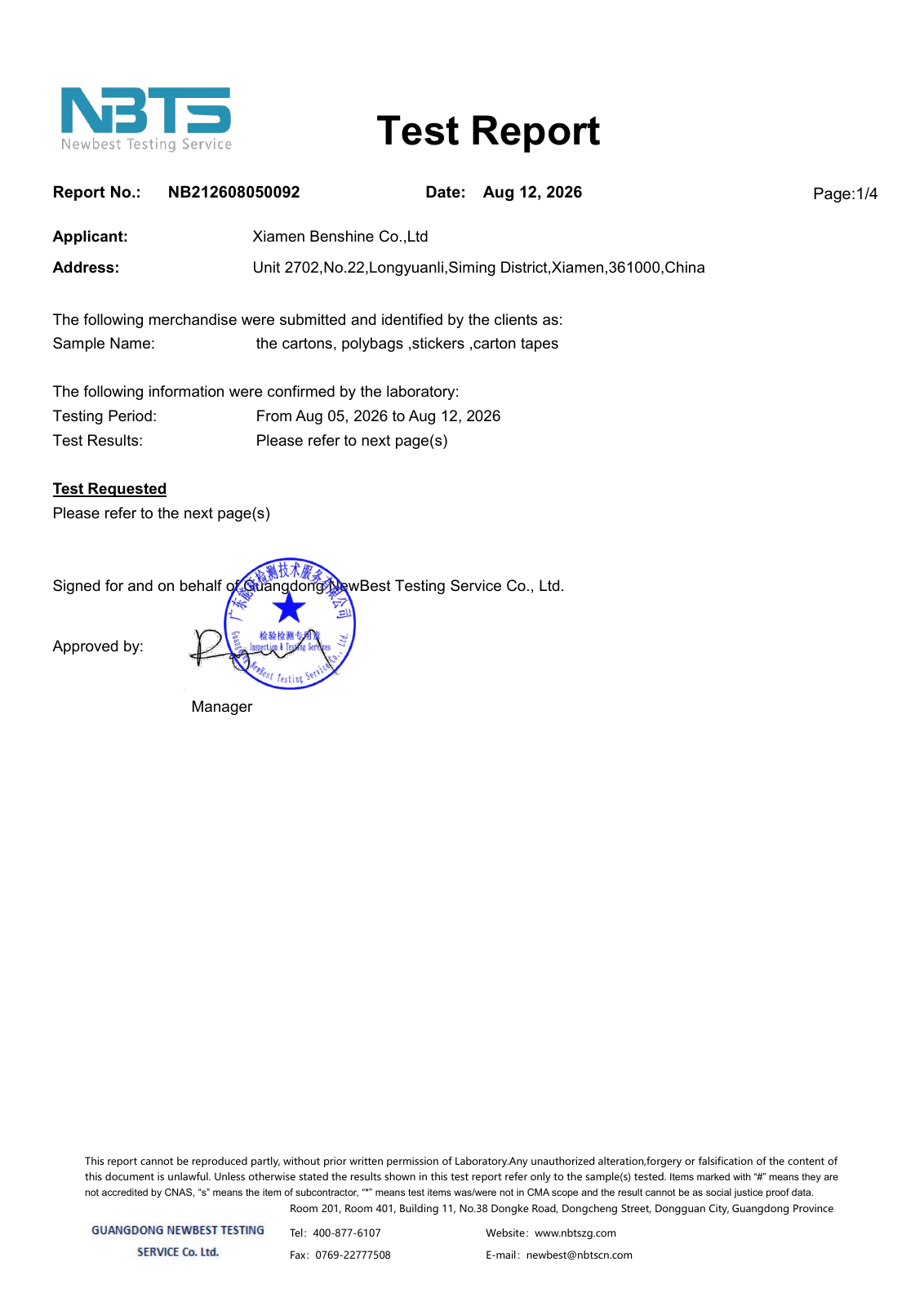
Heavy-metal test results for selected packaging components used with bag shipments.
Open the complete PPWR PDF →Custom bag quality control
Direct answer: Benshine's published quality evidence shows material, dimension, workmanship, component and functional inspection activities used when relevant to a controlled custom bag specification. The required checks, tolerances, sampling, test methods and acceptance criteria are agreed for each project; displayed reports apply only to the samples and scope stated in their documents.
Inspection planning
A shared approval record gives the buyer, product team and production team the same basis for decisions.
| Control stage | Typical decisions | Buyer inputs to confirm |
|---|---|---|
| Specification and sample | Construction, materials, dimensions, appearance, function and packaging baseline | Drawings or reference, tolerances, colour standards, intended use and approval authority |
| Incoming materials | Identity, colour, thickness, weight or component condition where applicable | Material specification, approved swatches, component references and required documents |
| In-line production | Workmanship, stitch formation, seam placement, reinforcement and assembly checkpoints | Critical-to-quality points, defect definitions, check frequency and escalation route |
| Functional review | Dimensions, zipper operation, hardware, attachment or project-defined performance tests | Test method, load or cycle conditions, threshold, sample state and record format |
| Pre-shipment acceptance | Appearance, quantity, packing, labels and agreed sampling inspection | Acceptance standard, inspection level, packaging marks, report needs and release authority |
Buyer quality brief
Terms such as “high quality” are not measurable until they are translated into controlled requirements.
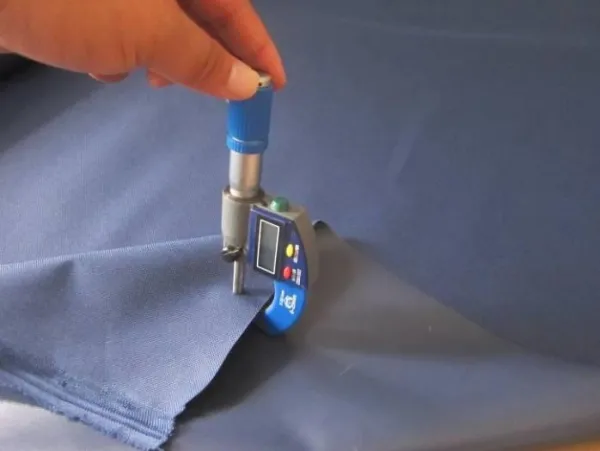
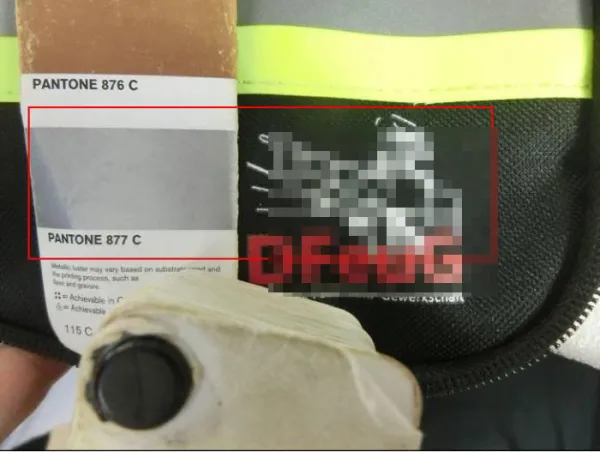
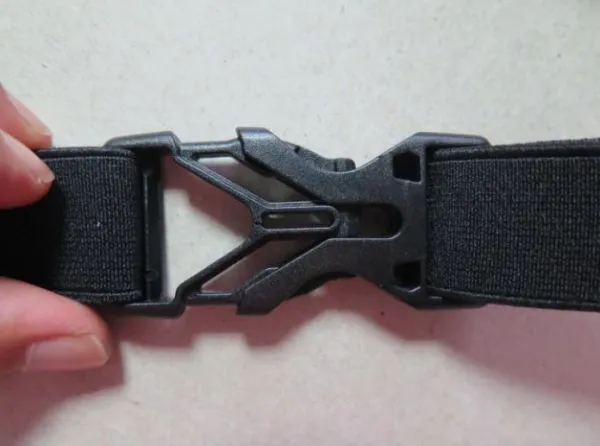
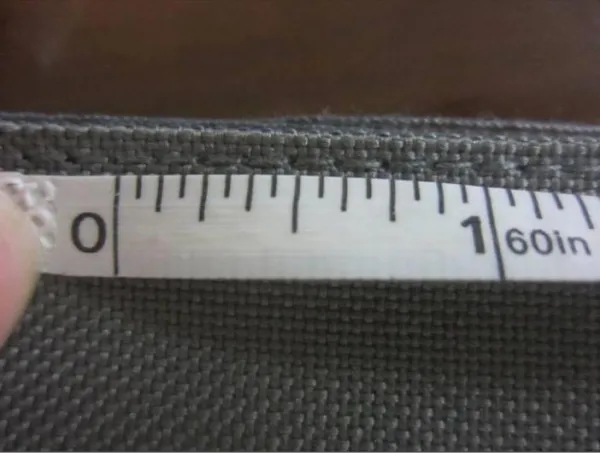
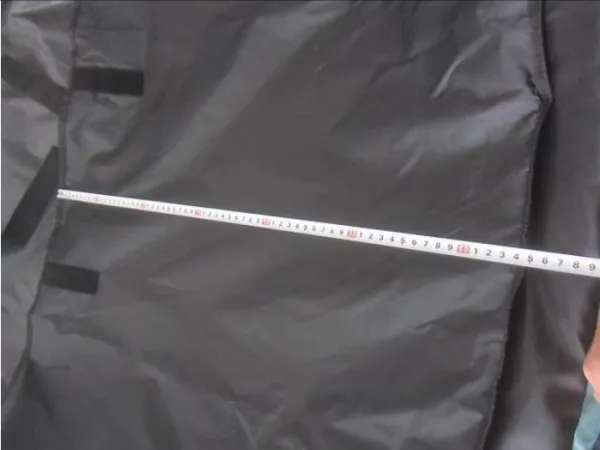
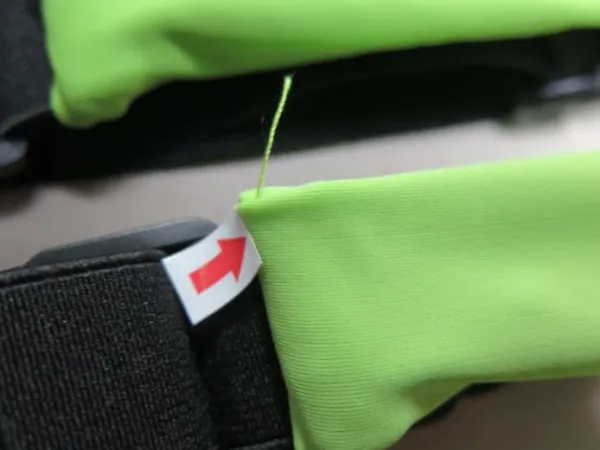
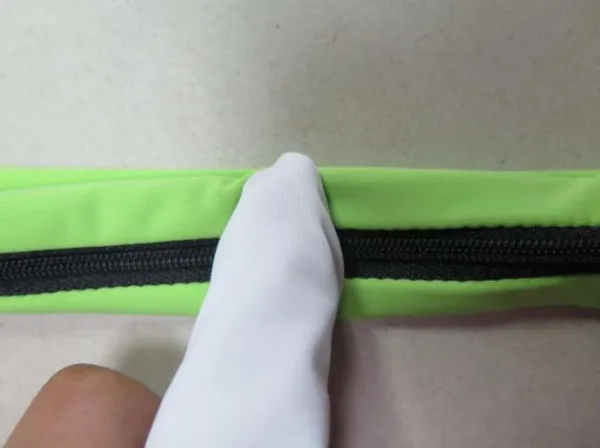
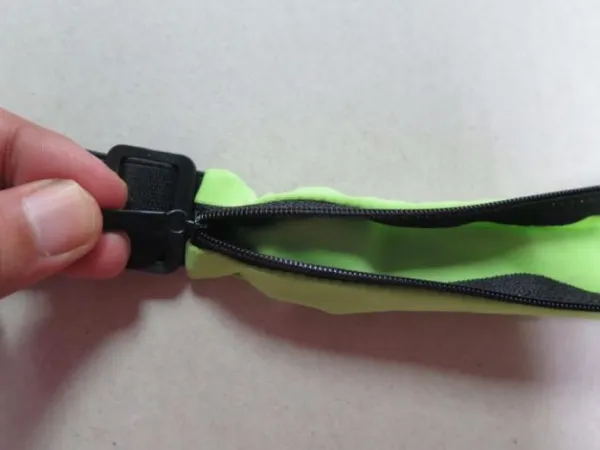
First-party inspection media
These images document inspection activities available within Benshine's quality workflow. They do not mean every check applies to every order; the controlled inspection plan determines what is required.



Packaging material reference
The four-page report dated 12 August 2026 covers carton tape, polybags, cartons and printed stickers submitted for testing.
It records heavy-metal testing for lead, cadmium, mercury and hexavalent chromium with reference to Regulation (EU) 2025/40. The report lists the tested samples as passing the stated combined limit.
Heavy-metal test results for selected packaging components used with bag shipments.
Open the complete PPWR PDF →Scoped evidence library
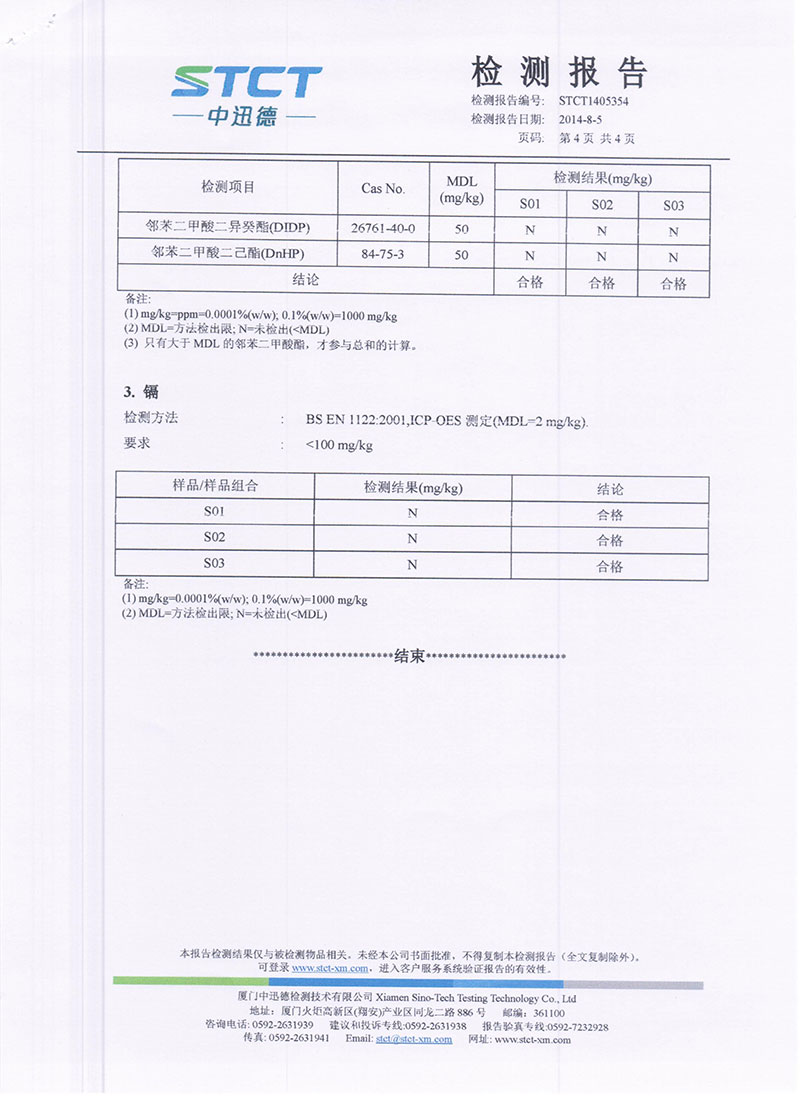
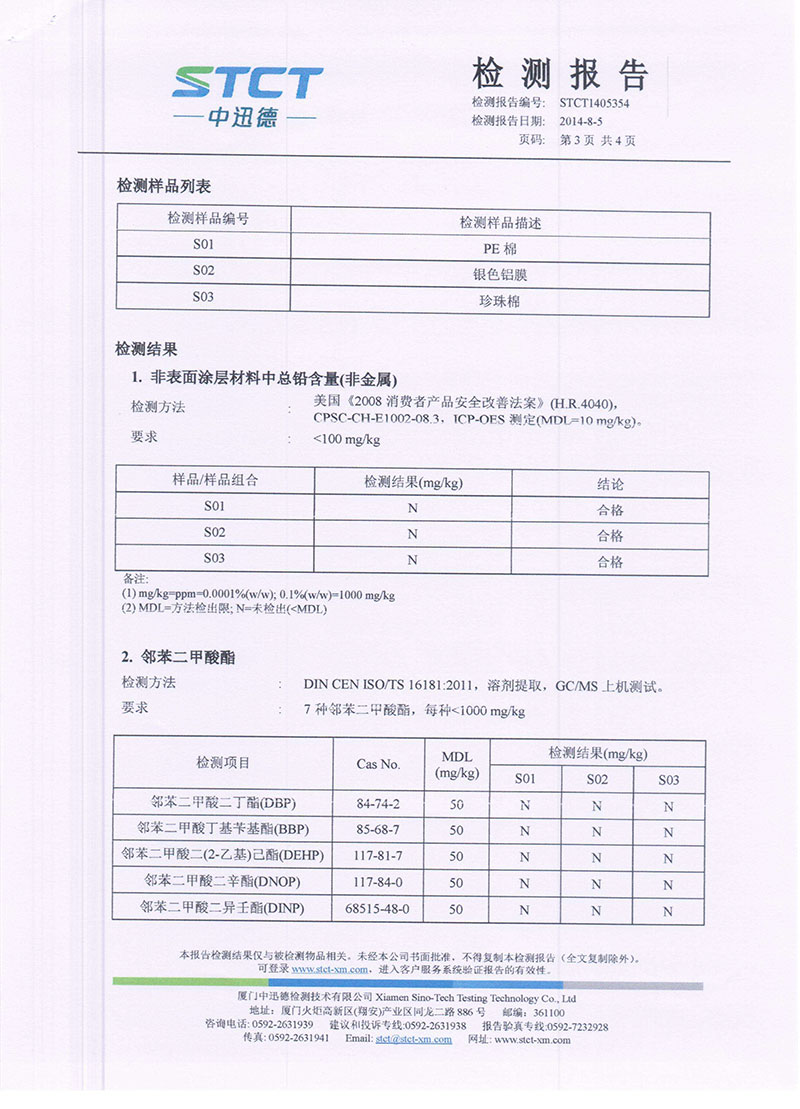
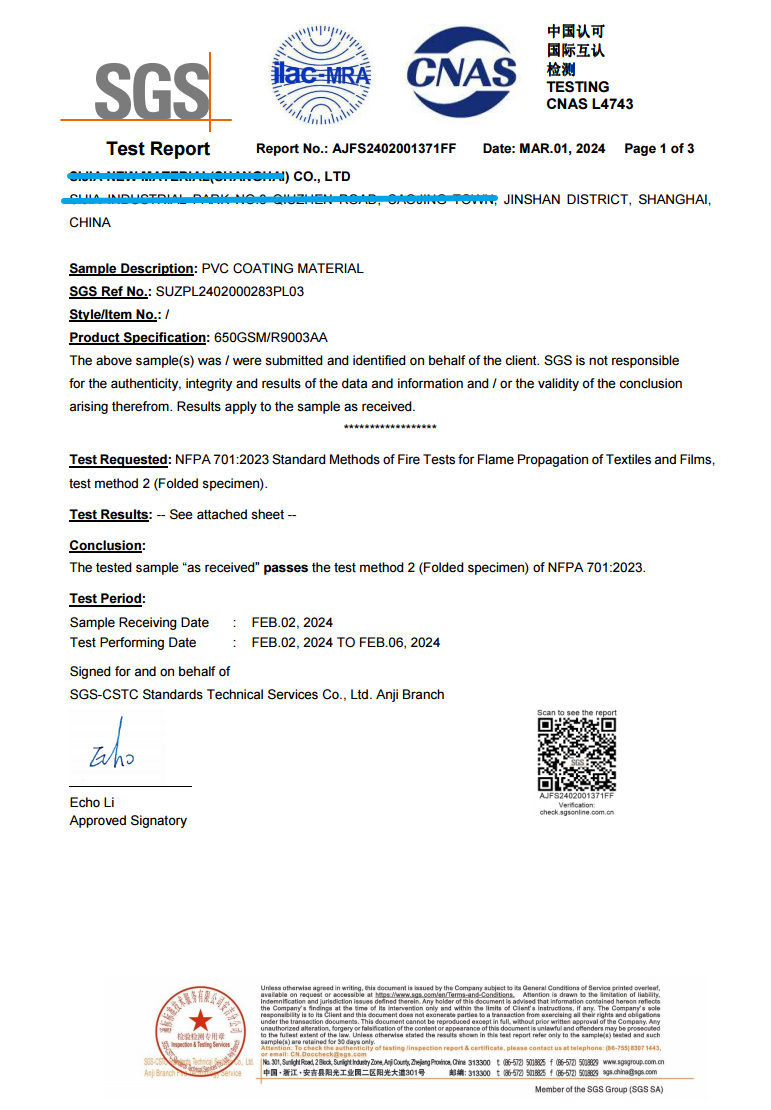
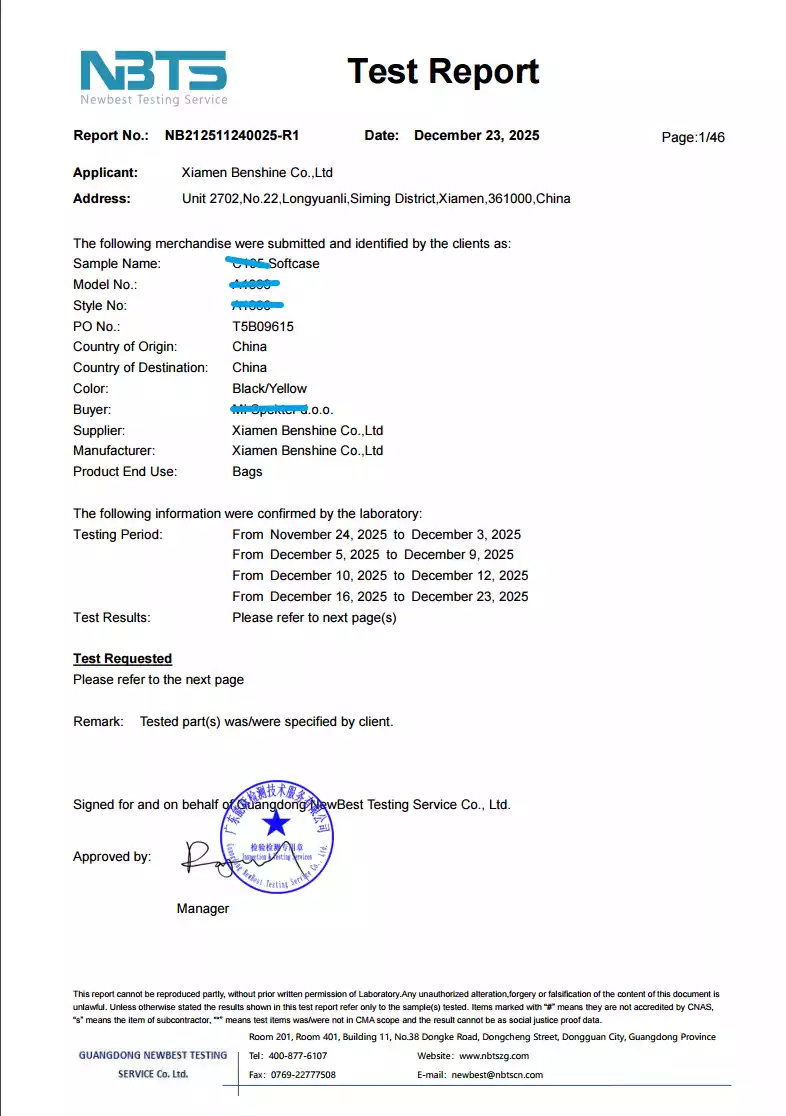
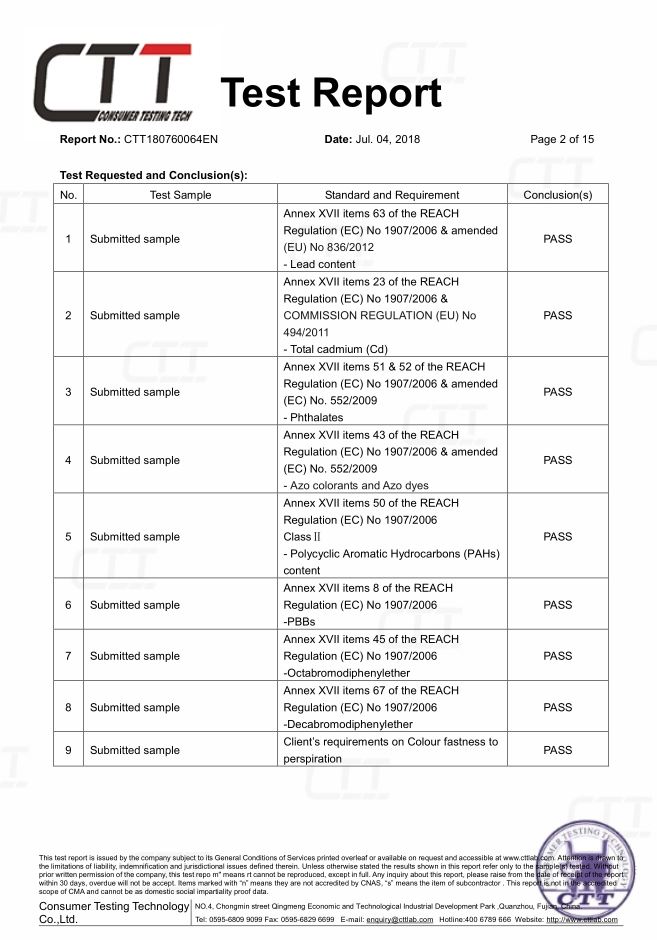
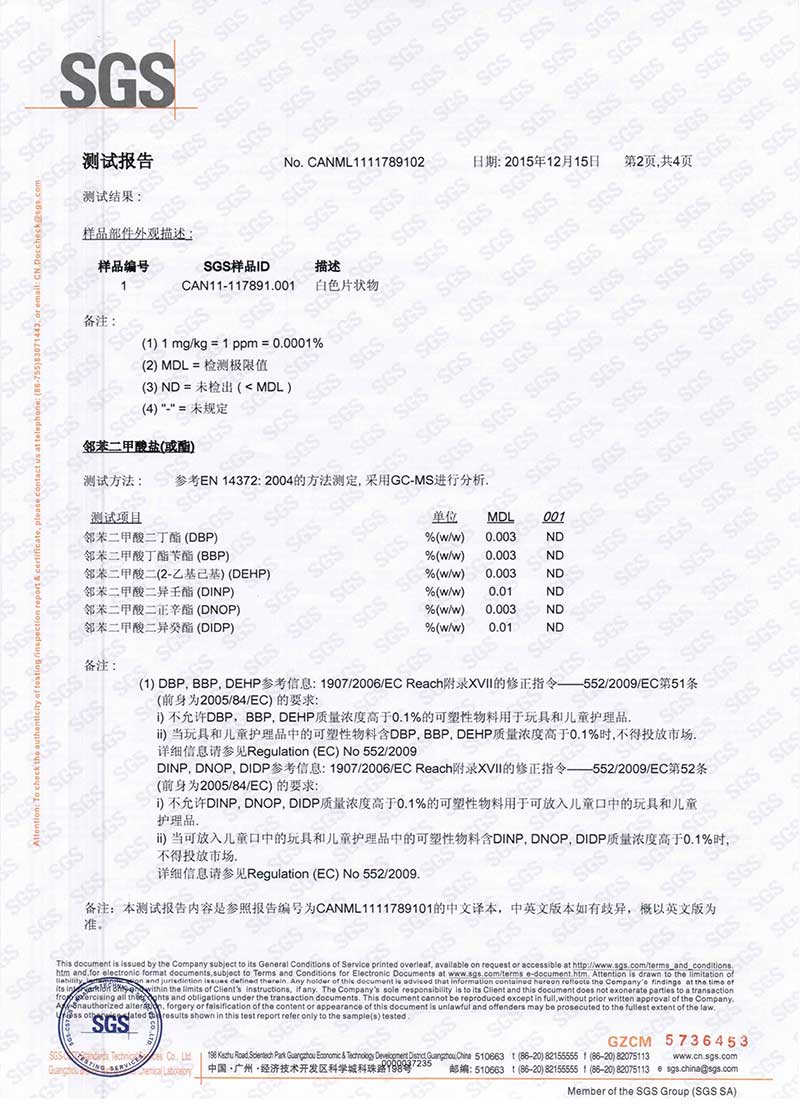
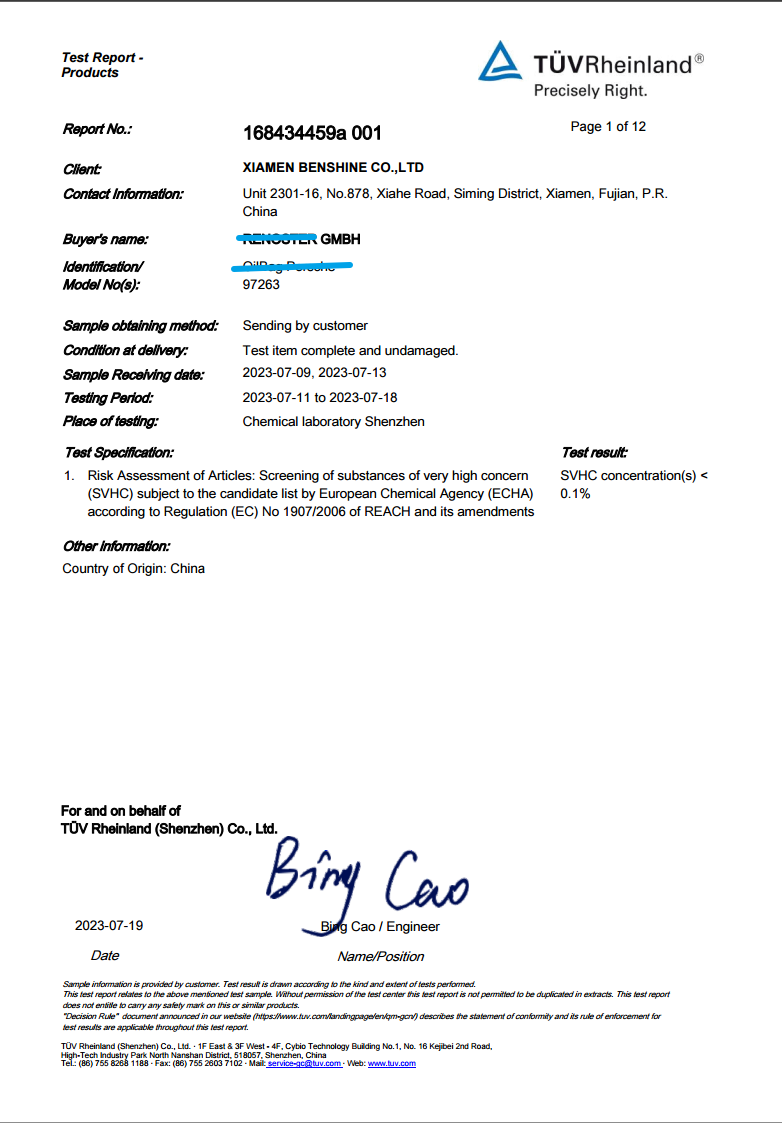
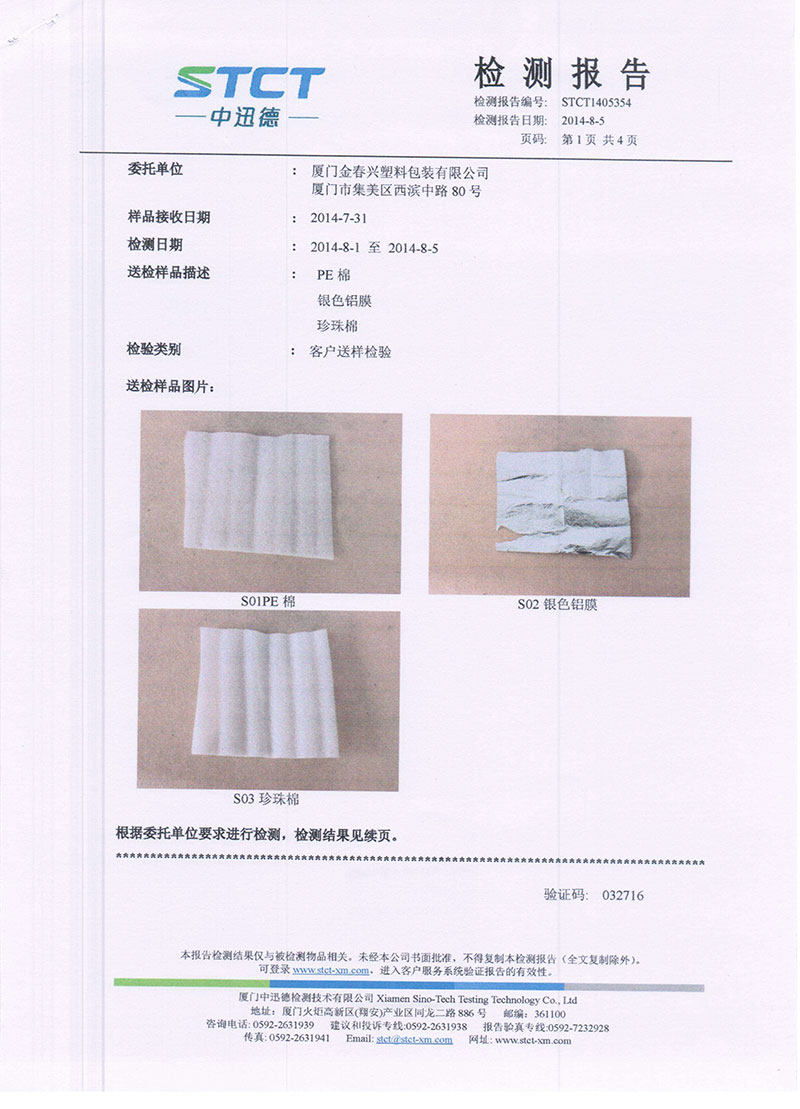
The displayed material, flame-retardancy, packaging, REACH, SVHC and foam documents are references for the samples and scope identified in each record. They are not universal certificates for every bag, material or production order.
Quick answers
Quality control should begin with one approved specification and representative sample. The project inspection plan can then define incoming-material checks, in-line workmanship checks, functional or dimensional checks and pre-shipment acceptance criteria appropriate to the bag and intended use.
No. The published media shows available inspection activities. The applicable checks, method, tolerance, sample size, frequency and record format must be agreed for the controlled product and order.
Define dimensions and tolerances, materials and components, colour references, seam and reinforcement details, logo and label requirements, functional expectations, packaging, destination-market requirements and the evidence needed for approval.
No. Each report applies only to the submitted samples, materials, methods, dates and conclusions identified in that document. Buyers should match any report to the exact material or product scope required for their project.
No. A product image or general category name does not prove performance. The requirement must be defined with a test method and acceptance threshold, then checked on a representative sample or production lot as agreed.
Third-party inspection or laboratory testing can be discussed when the buyer identifies the required standard, sample scope, stage, reporting format and acceptance criteria. Availability, responsibility, cost and timing are confirmed for the specific project.