
Supplier selection
Compare identity, relevant product evidence, manufacturing scope, sample control and communication.
Knowledge for better sourcing decisions
Direct answer: Benshine's resource centre helps B2B buyers compare bag suppliers, understand OEM, ODM and private-label scope, prepare controlled specifications, plan quality evidence and ask more comparable commercial questions. The guidance supports decision-making; final materials, tests, price, MOQ and timing are confirmed for the specific project.
Choose a research path
Use the resource library as a sourcing workflow rather than treating one article as proof of a supplier, material or finished product.
Compare identity, relevant product evidence, manufacturing scope, sample control and communication.
Understand how specification, materials, quantity, decoration, testing and packaging affect a quotation.
Translate the use case into dimensions, construction, materials, components, artwork and packing decisions.
Define inspection stages and verify whether reports, tests or audit documents match the required scope.
Buyer Guides
Practical frameworks for supplier selection, manufacturing models, commercial inputs and evidence review.
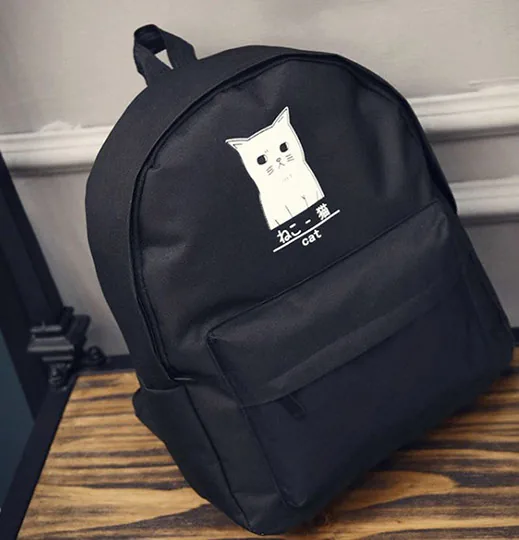
Interpret Nike, Adidas, JanSport, The North Face and Herschel backpack search signals without confusing relative interest with sales, then plan an original backpack.
Read guide →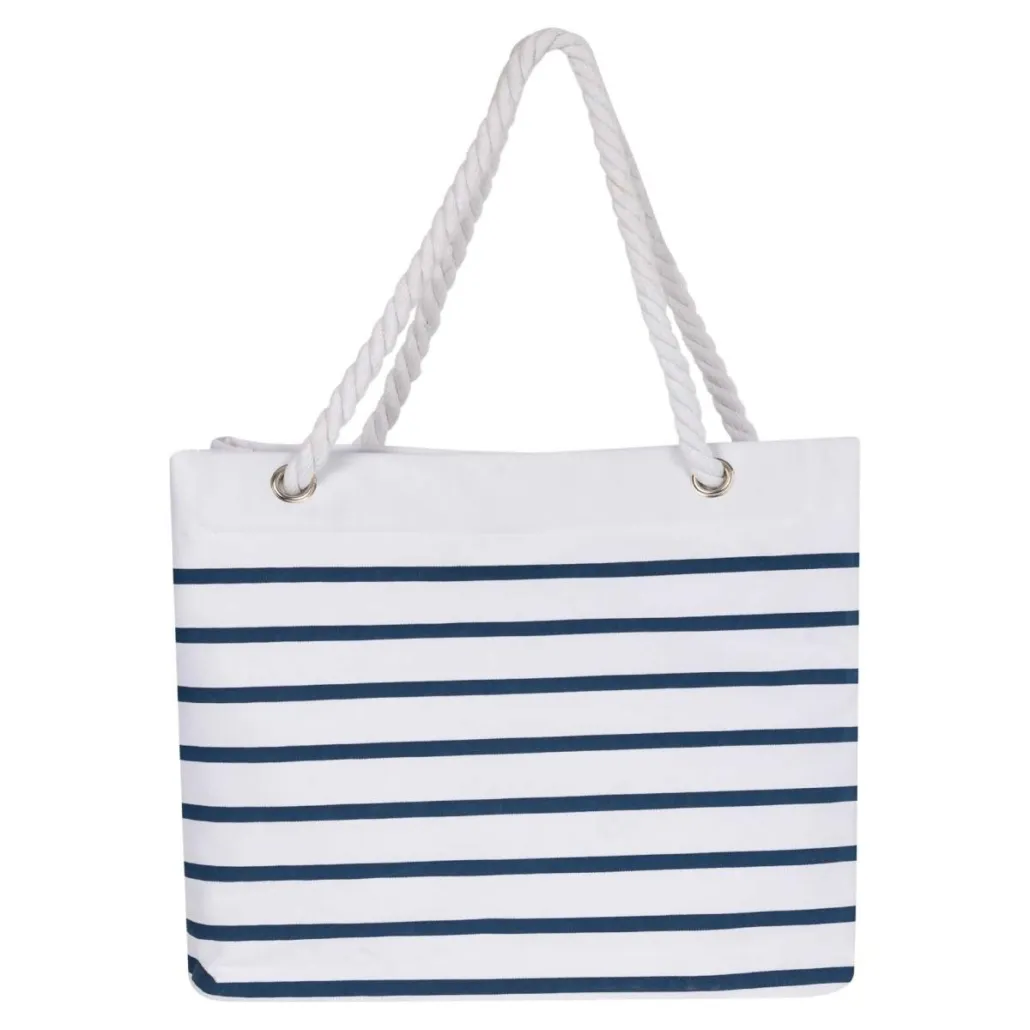
Understand how materials, colour splits, construction, components, branding, sampling, testing and packaging determine custom bag MOQ and quotation assumptions.
Read guide →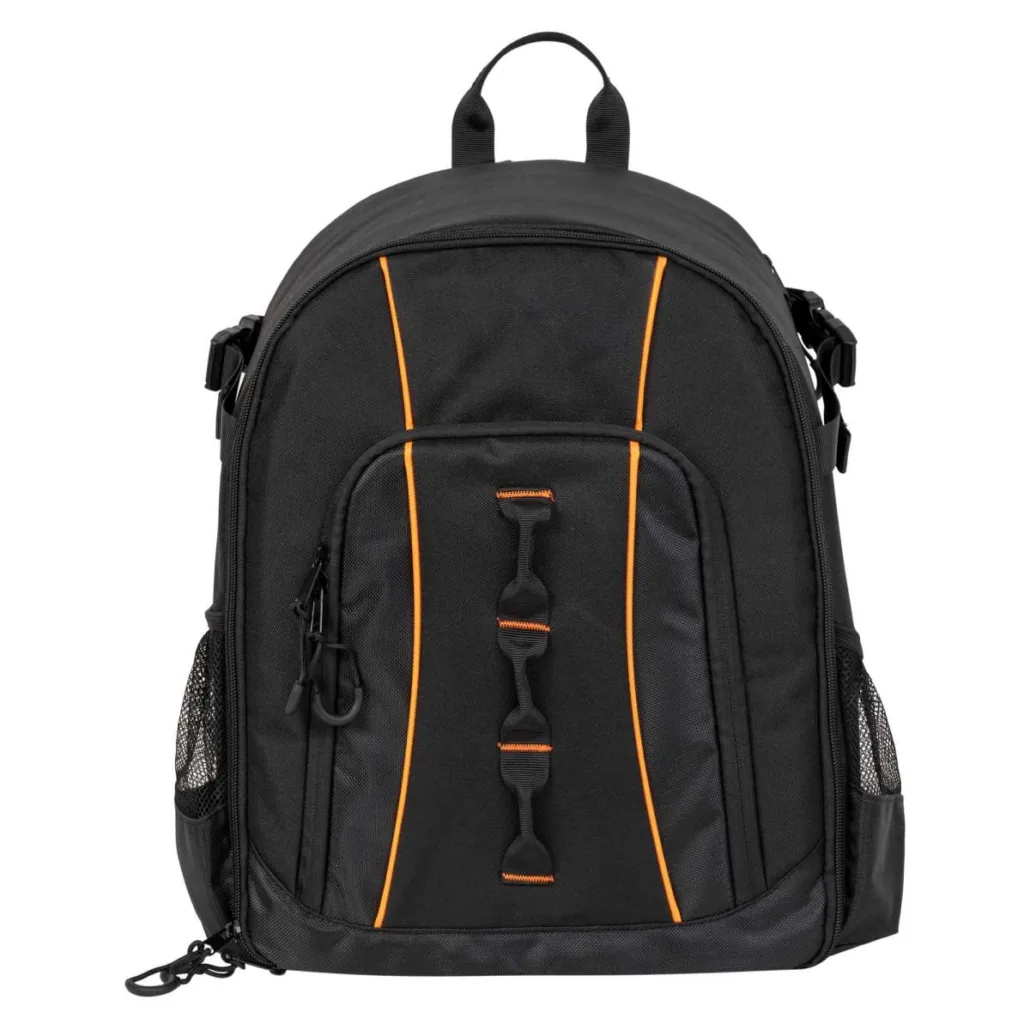
Choose a backpack by real load, fit, dimensions, access, materials and care. Compare school, work and travel needs or turn the checklist into a custom brief.
Read guide →
A practical B2B framework for verifying a China bag manufacturer through identity, relevant product evidence, comparable RFQs, samples, quality controls and scoped documents.
Read guide →
Verify a bag factory certificate, social audit, material claim or test report by checking identity, site, scope, dates, issuer and project relevance.
Read guide →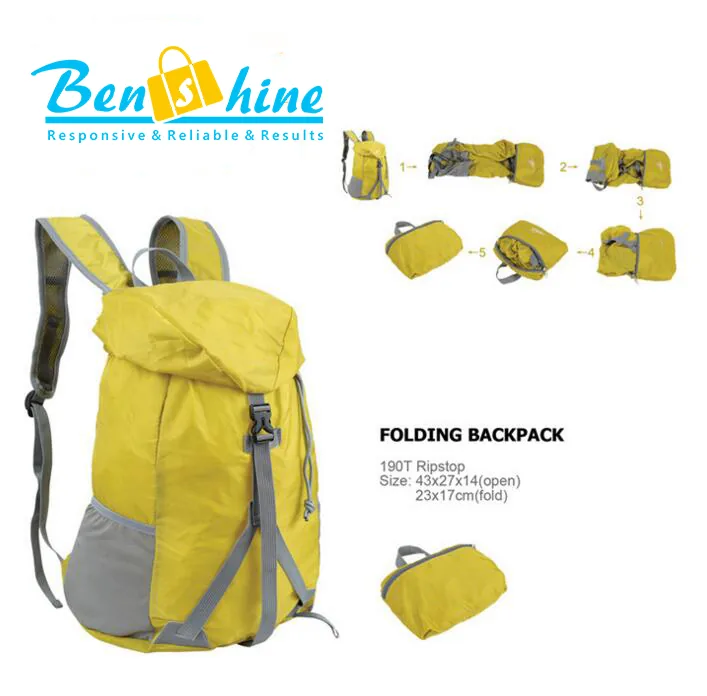
Clean a backpack safely by checking its care label, materials and construction, then choosing spot cleaning, hand washing or machine washing only when permitted.
Read guide →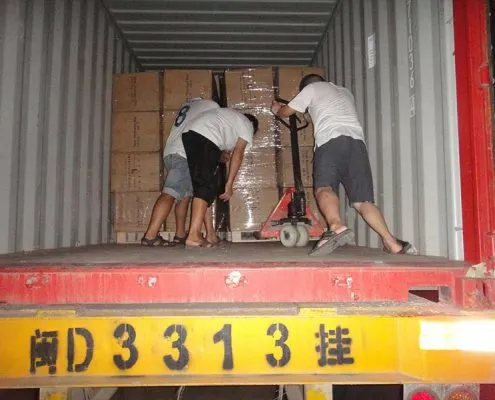
Plan international delivery for custom bags by controlling packing data, handover terms, milestones, documents, inspections and mode comparisons before shipment.
Read guide →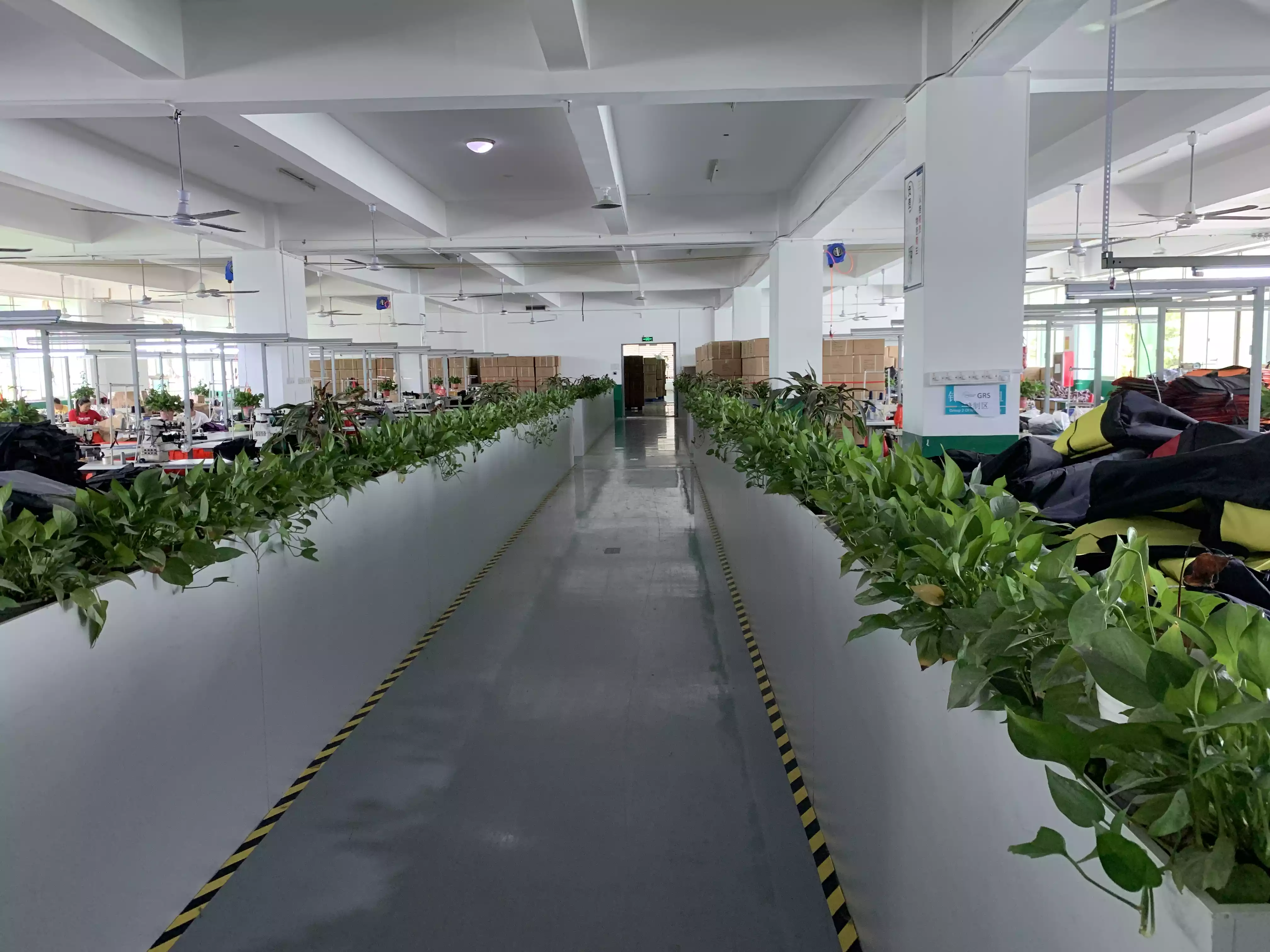
Compare OEM, ODM, private-label and contract bag manufacturing by design ownership, development responsibility, sourcing, sample approval and change control.
Read guide →Manufacturing Knowledge
Technical guidance for product briefs, materials, construction, decoration, quality planning and approval records.
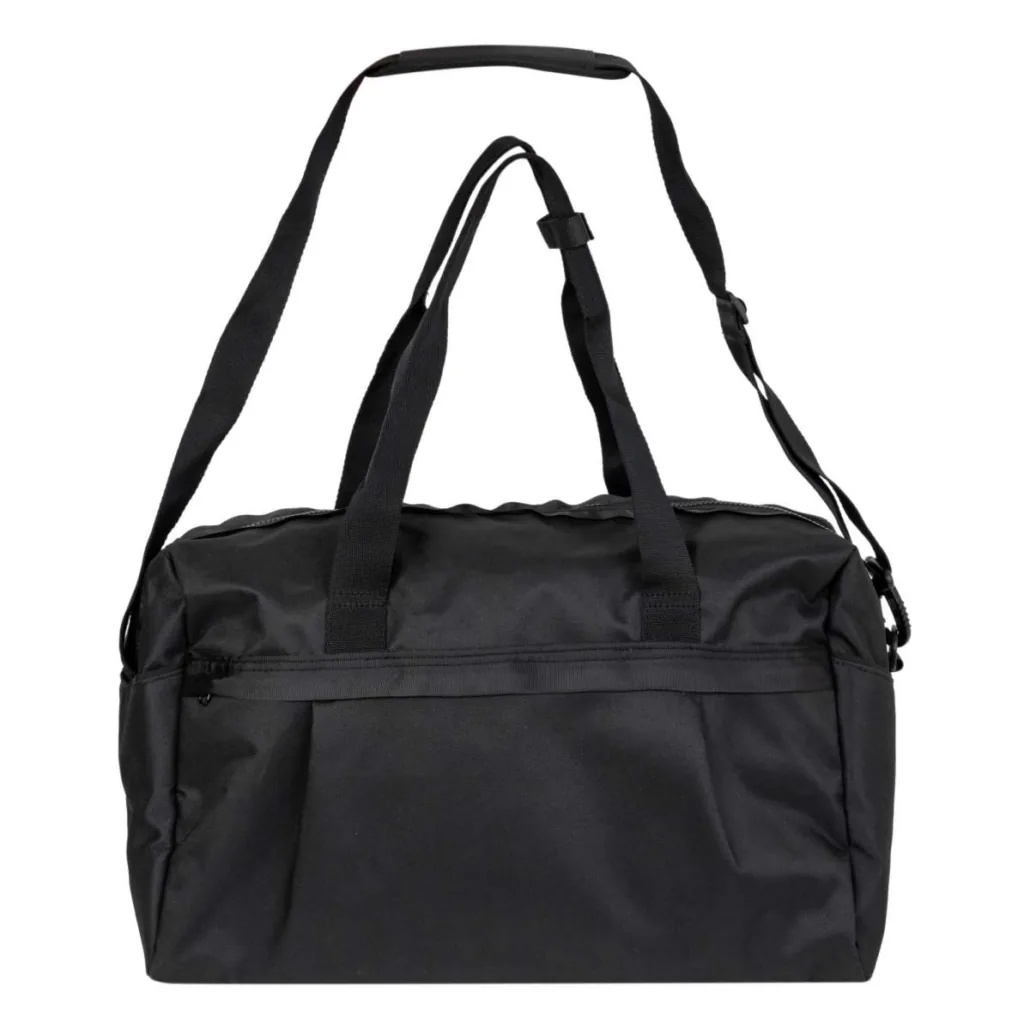
Compare 600D and 900D polyester for custom bags by yarn denier, fabric weight, thickness, weave, coating, hand feel, construction and required testing.
Read article →Specify custom backpacks around users, packed loads, usable dimensions, access, organization, materials, shoulder straps, back panels, tests and quality control.
Read article →Use this practical bag-parts glossary to specify panels, gussets, pockets, straps, seams, linings, reinforcements, zippers and hardware for a custom bag.
Read article →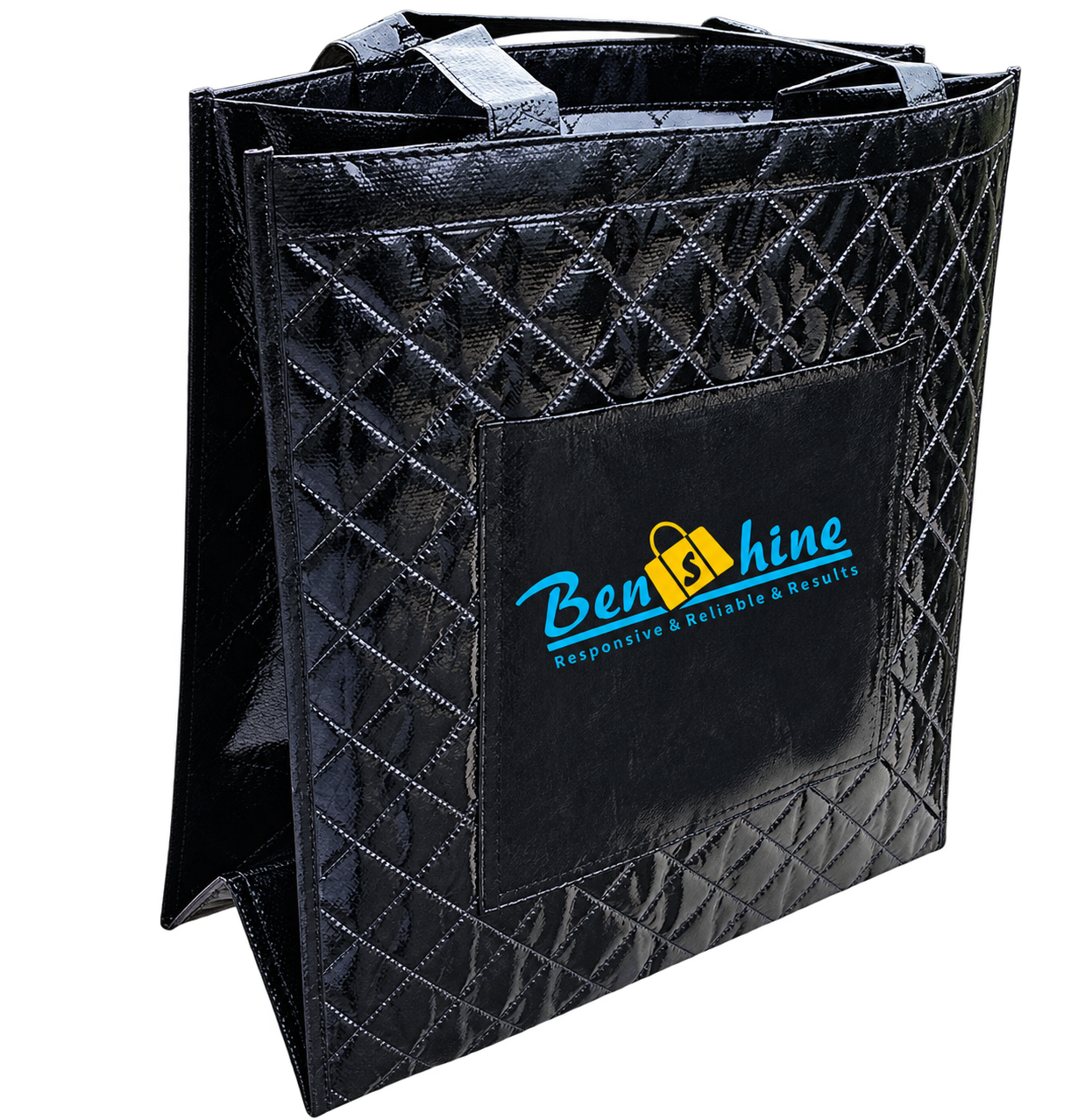
Learn how finished bag dimensions become cut patterns, seam allowances, gussets, corners and pocket constructions for a controlled custom bag sample.
Read article →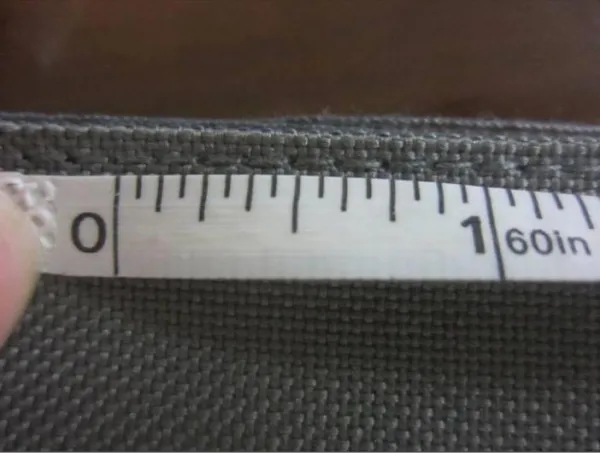
Learn how to specify bag stitch length or SPI by seam location, material stack, thread, needle, appearance, performance and production inspection.
Read article →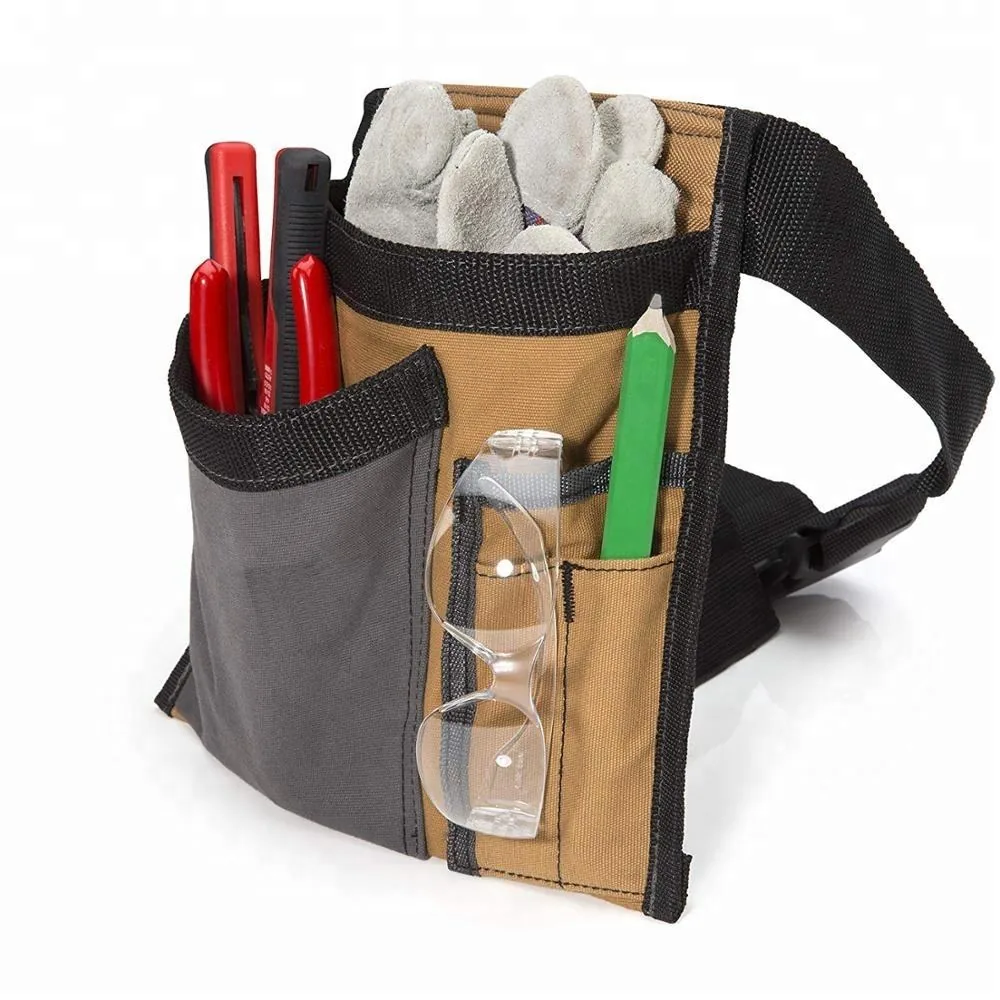
Compare lockstitch, double-needle, bartack, box-X, bound and turned bag seams, then specify thread, needle, stitch length, reinforcement and quality checks.
Read article →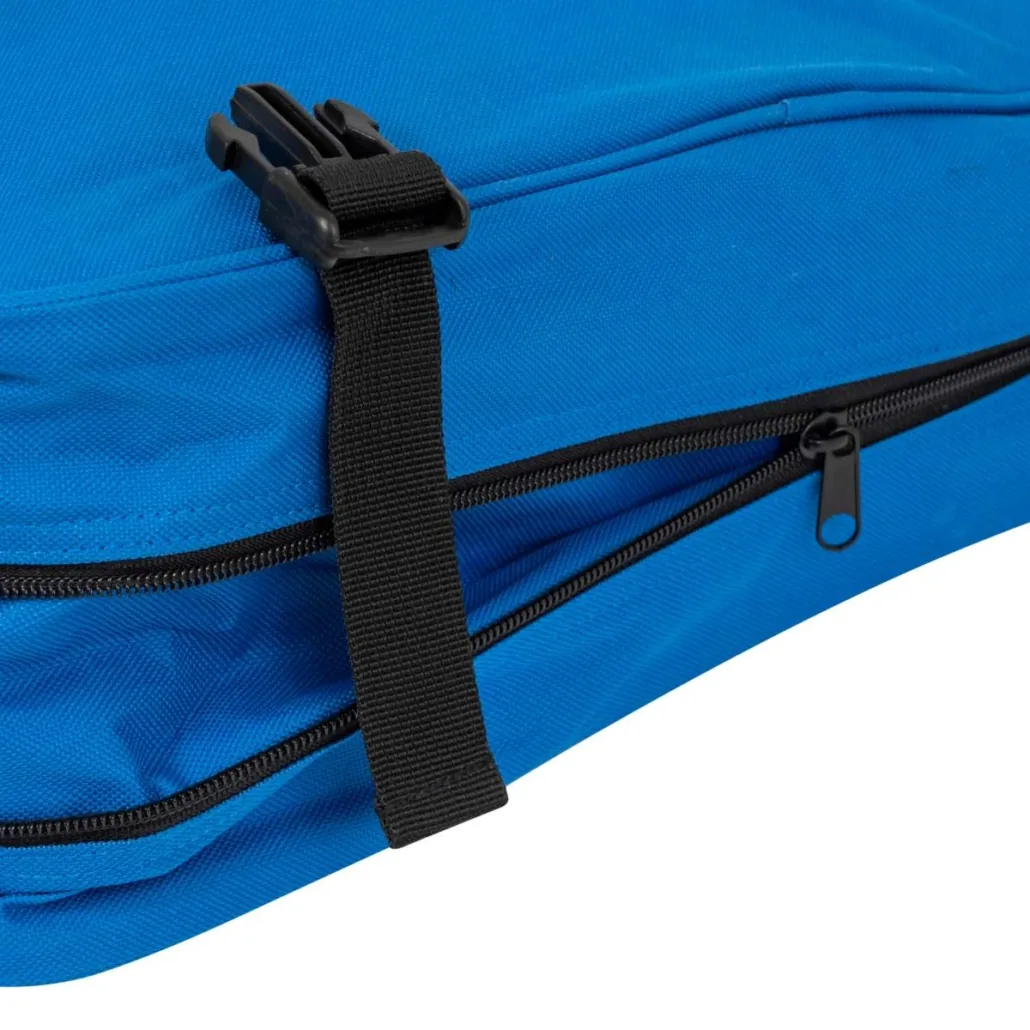
Specify bag zippers, sliders, pullers, buckles, adjusters, webbing, hooks, rings and finishes with fit, attachment, sample and quality-control requirements.
Read article →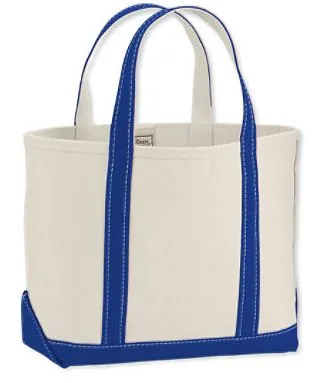
Specify canvas bag fabric by composition, weight, weave, finish and colour, then connect the material to seams, handles, printing, testing and quality control.
Read article →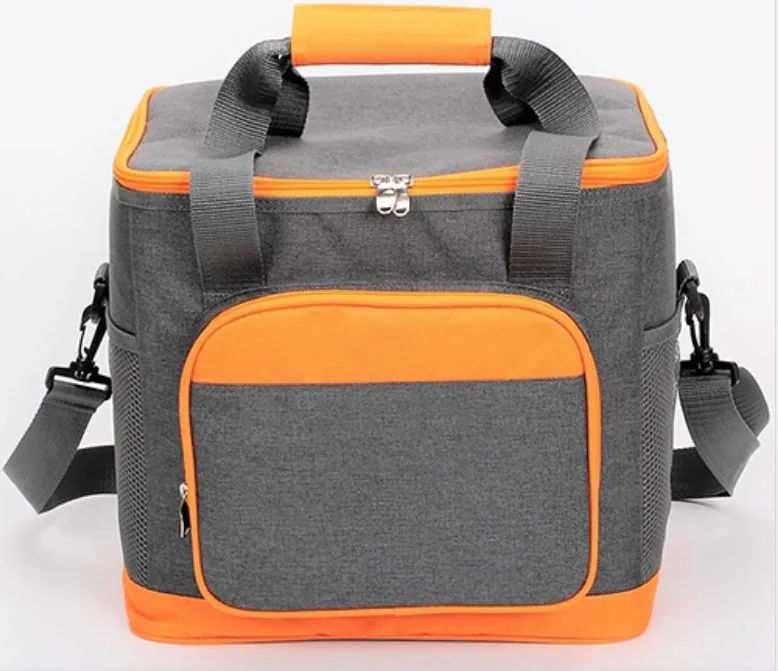
Specify custom cooler bags around contents, usable volume, access, thermal construction, leakage boundaries, cleaning, carrying, branding, tests and quality control.
Read article →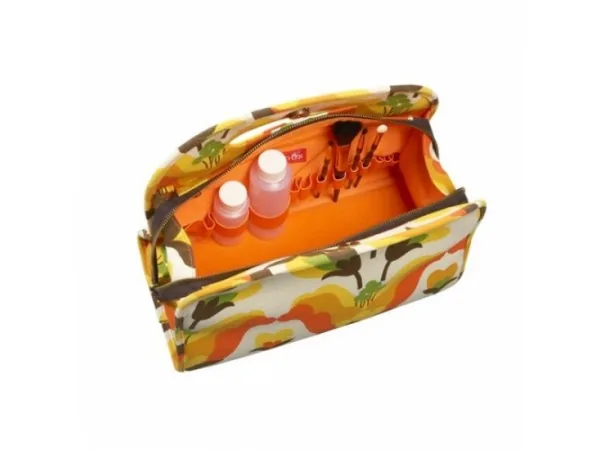
Specify cosmetic, makeup and toiletry bags around contents, usable dimensions, organization, materials, lining, cleaning, branding, testing and quality control.
Read article →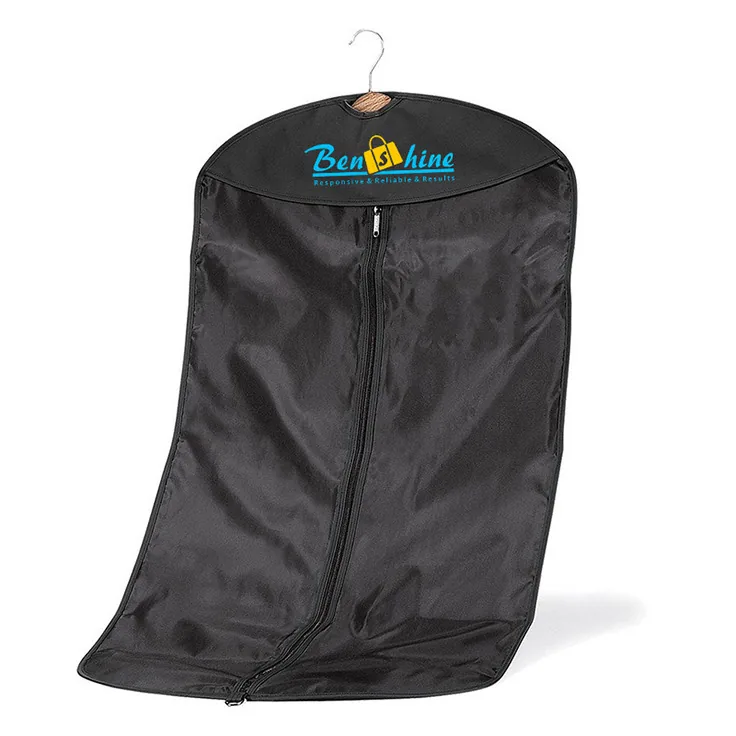
Specify garment covers and travel suit bags around garment measurements, capacity, hanger openings, zippers, materials, carrying, branding and quality control.
Read article →Care for handbags safely by identifying materials, following the care label, spot testing, cleaning by construction, drying, storing, protecting hardware and knowing when to seek repair.
Read article →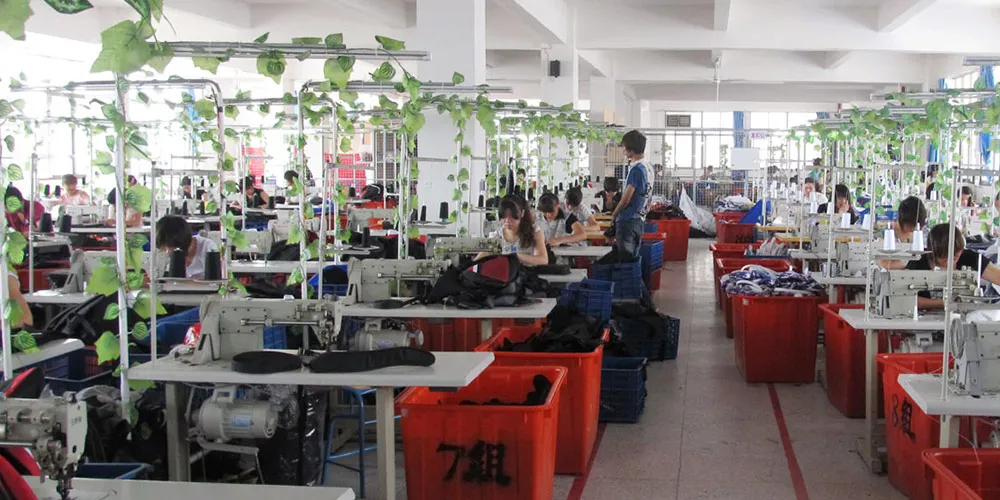
Follow the custom bag manufacturing process through requirements, specification, pattern, sourcing, samples, cutting, decoration, sewing, inspection and packing.
Read article →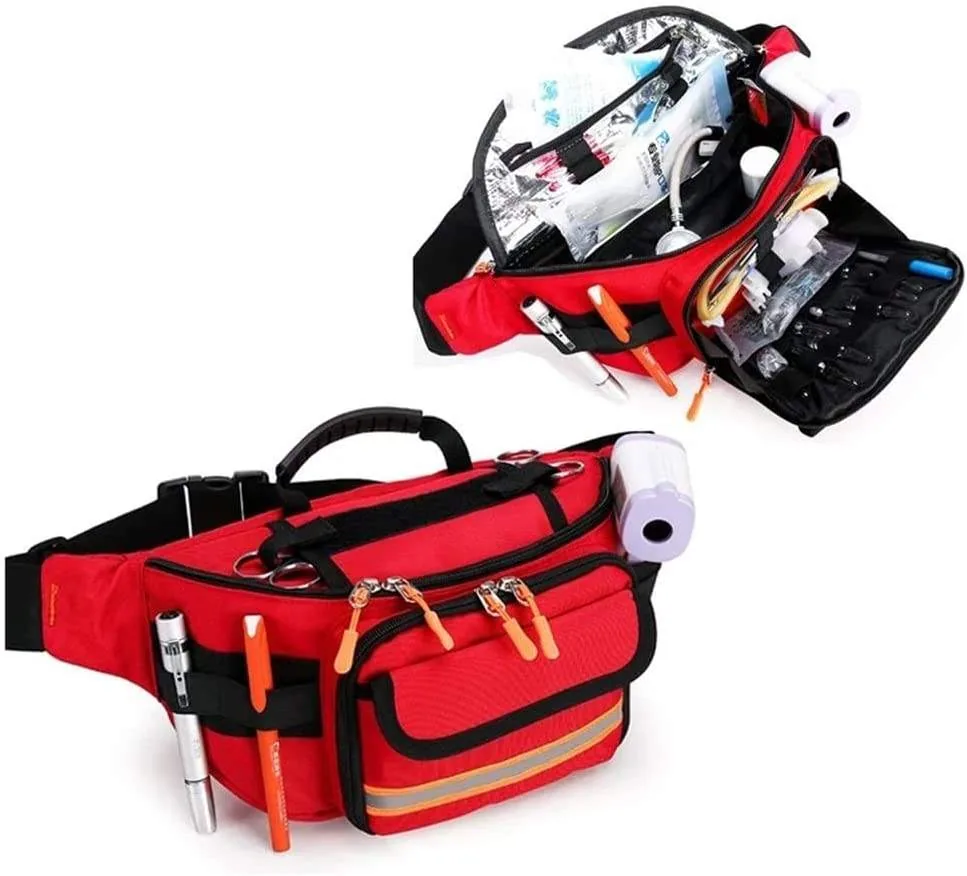
Choose soft, semi-structured or supported bag construction by contents, access, carrying, protection, environment, materials and representative sample testing.
Read article →
Plan incoming, first-piece, in-line and pre-shipment inspections for custom bags with controlled references, sampling, defect rules and traceable records.
Read article →Learn how cooler bag shells, insulation, linings, seams, closures, geometry and use conditions interact, then build a controlled thermal test and RFQ.
Read article →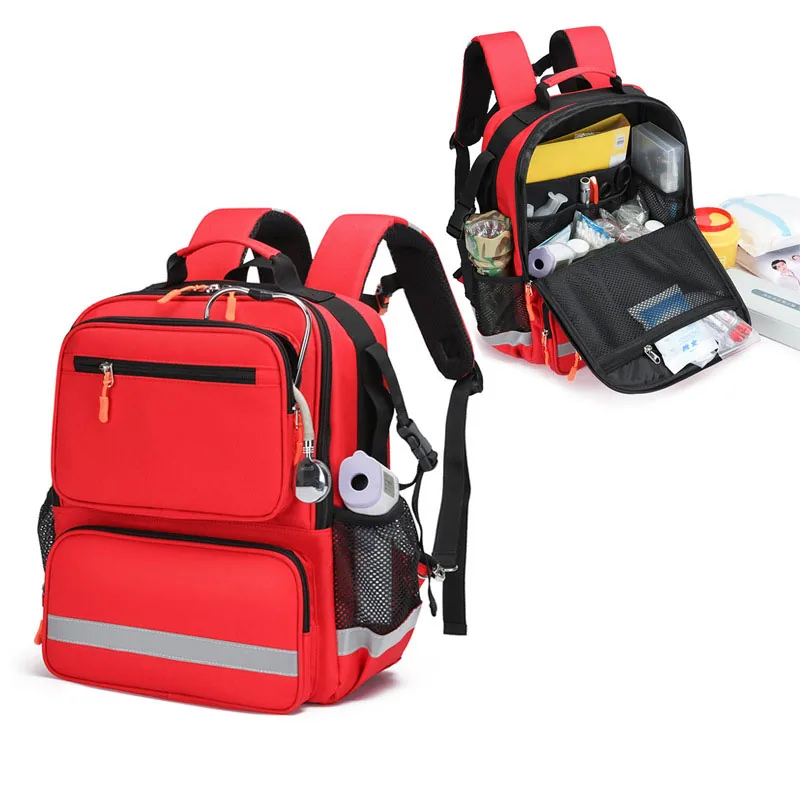
Specify medical, first-aid and emergency organizer bags around controlled contents, workflow, access, identification, materials, cleaning, evidence and quality control.
Read article →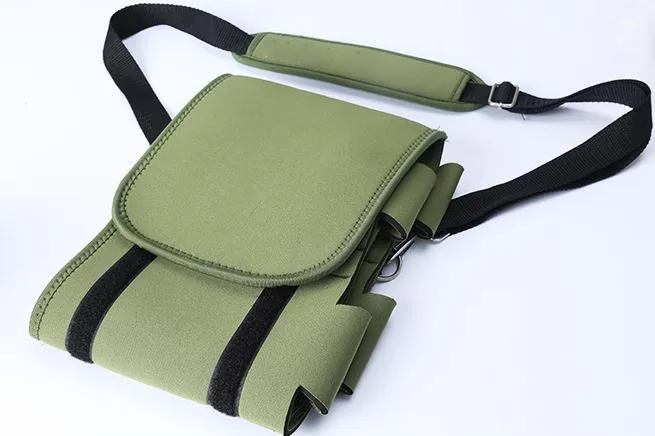
Specify neoprene-style bag materials, laminations, thickness, seams, printing and tests without treating a generic material label as proof of performance.
Read article →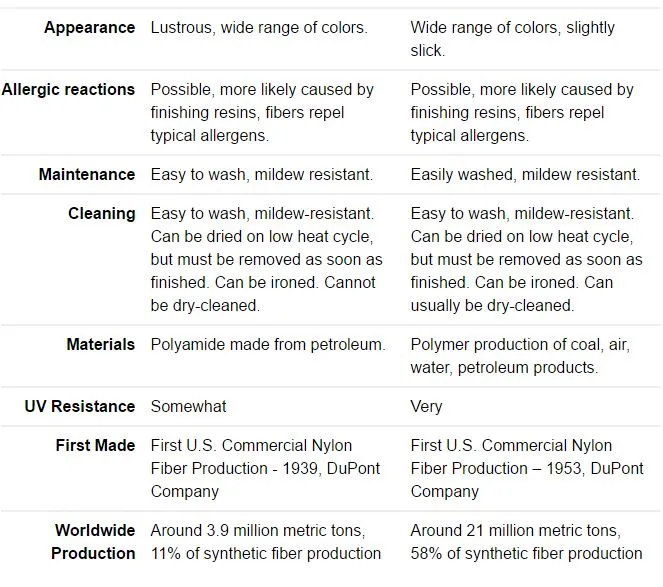
Compare nylon and polyester bag fabrics by yarn, weave, coating, weight, water exposure, colour, durability, testing and custom specification.
Read article →Compare PEVA and aluminum-foil-style cooler bag linings by construction, cleaning, seams, durability, food-contact evidence and thermal validation.
Read article →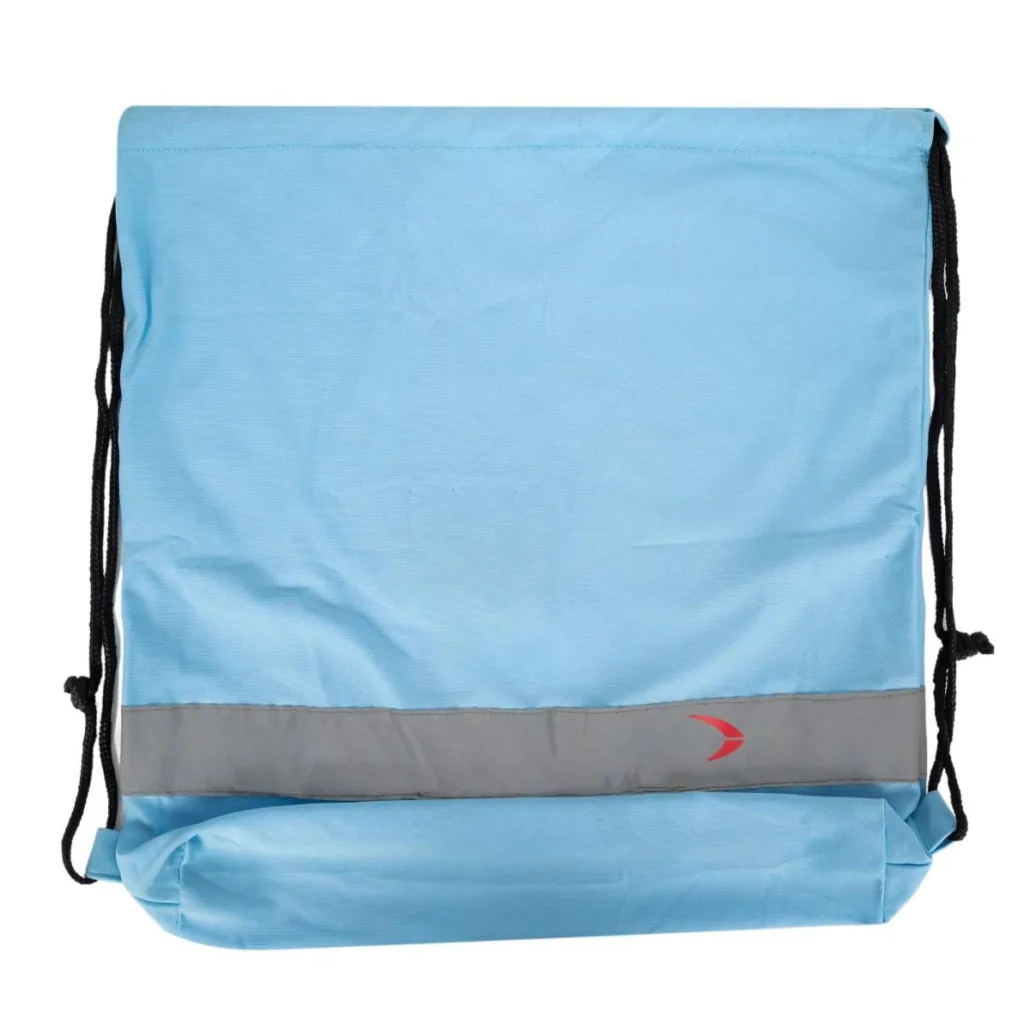
Plan promotional bags around campaign goals, audience, contents, distribution, format, materials, artwork, colour approval, packaging and quality control.
Read article →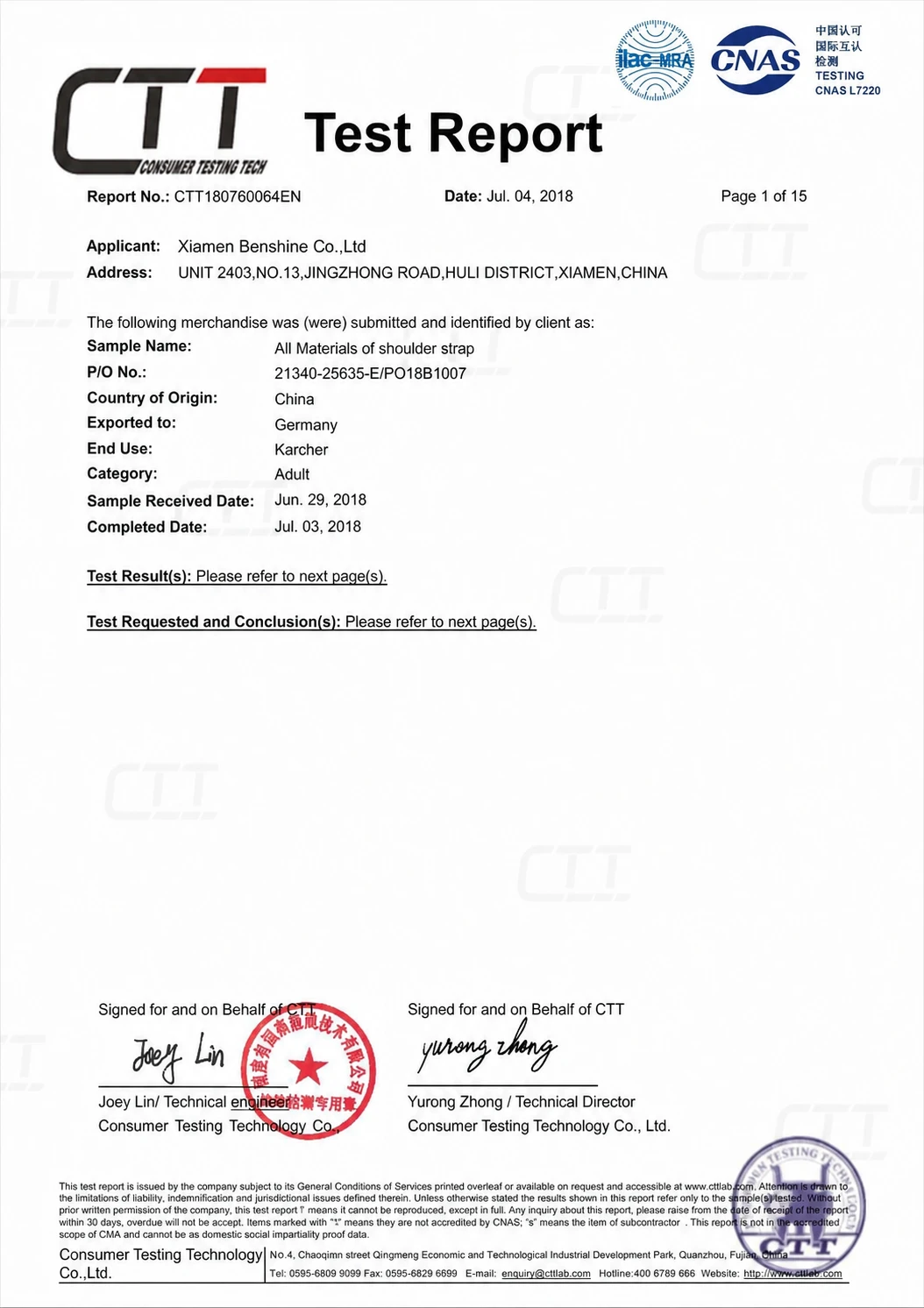
Plan REACH evidence for custom bags by mapping components, Annex XVII restrictions, Candidate List duties, supplier records, testing scope and change control.
Read article →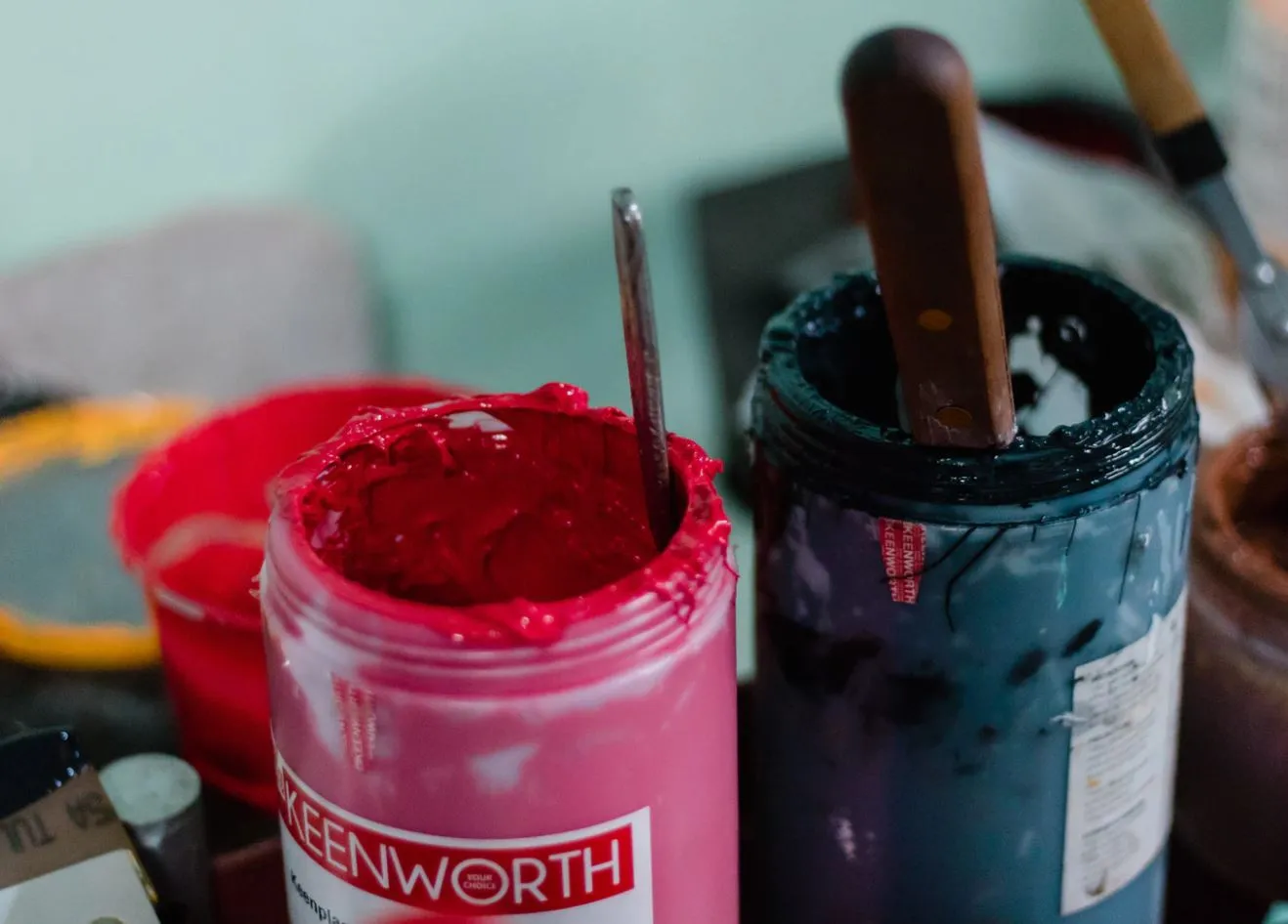
Compare screen printing, heat transfer and embroidery for custom bags by artwork, fabric, colour, texture, placement, production setup and sample approval.
Read article →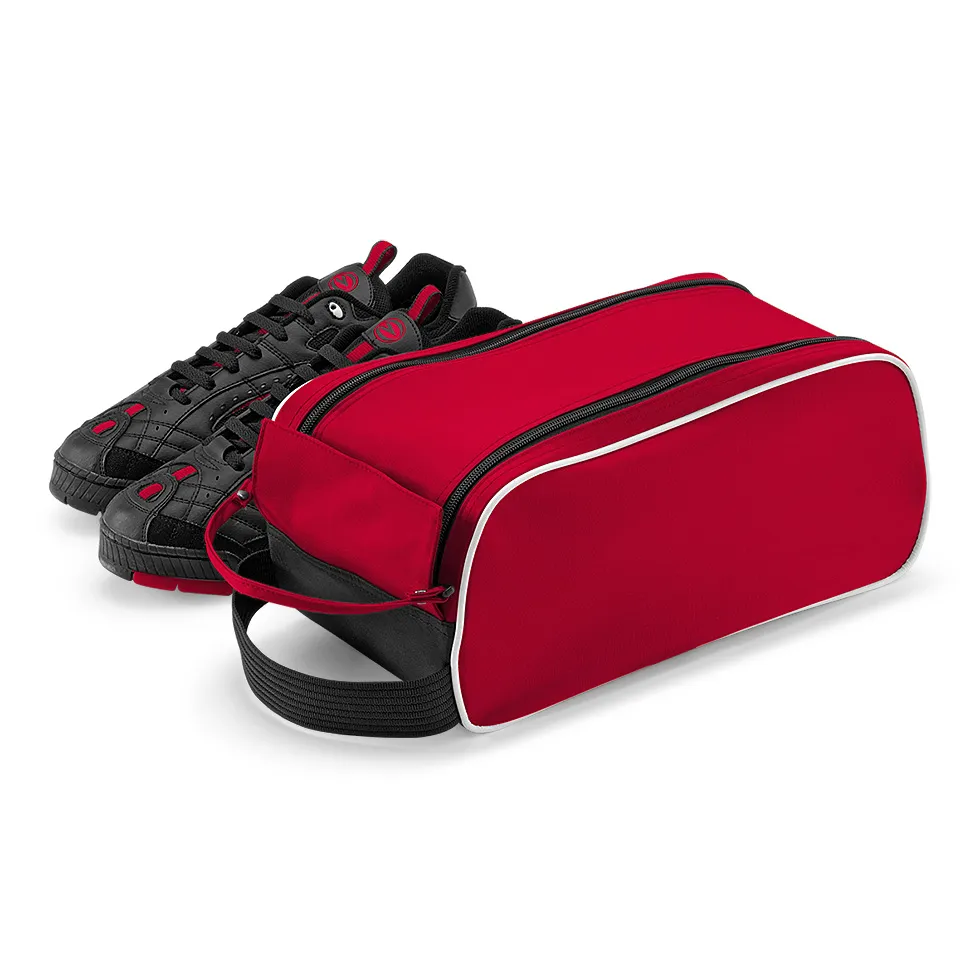
Specify custom shoe bags around footwear dimensions, pair orientation, separation, ventilation, closures, materials, cleaning, branding, testing and quality control.
Read article →Specify special-purpose and functional bags around the carried item, workflow, fit, access, protection, carrying, materials, testing and quality control.
Read article →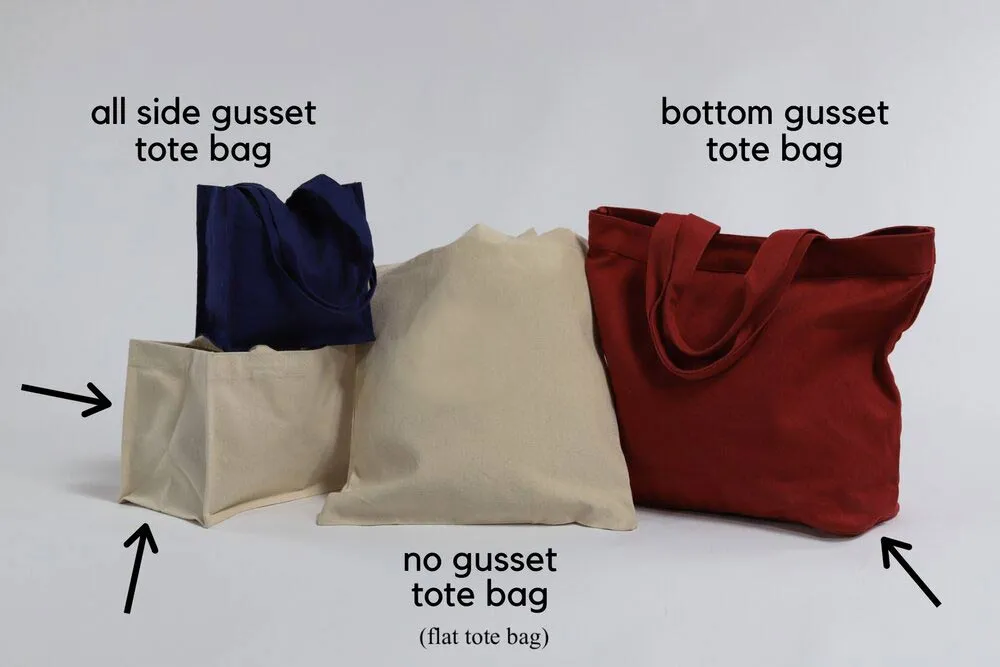
Compare flat, side-gusset, bottom-gusset and full-gusset tote bags, then specify finished depth, corners, opening, capacity and inspection.
Read article →Specify travel, duffel and weekender bags around journeys, packing lists, usable dimensions, access, carrying, materials, testing, packaging and quality control.
Read article →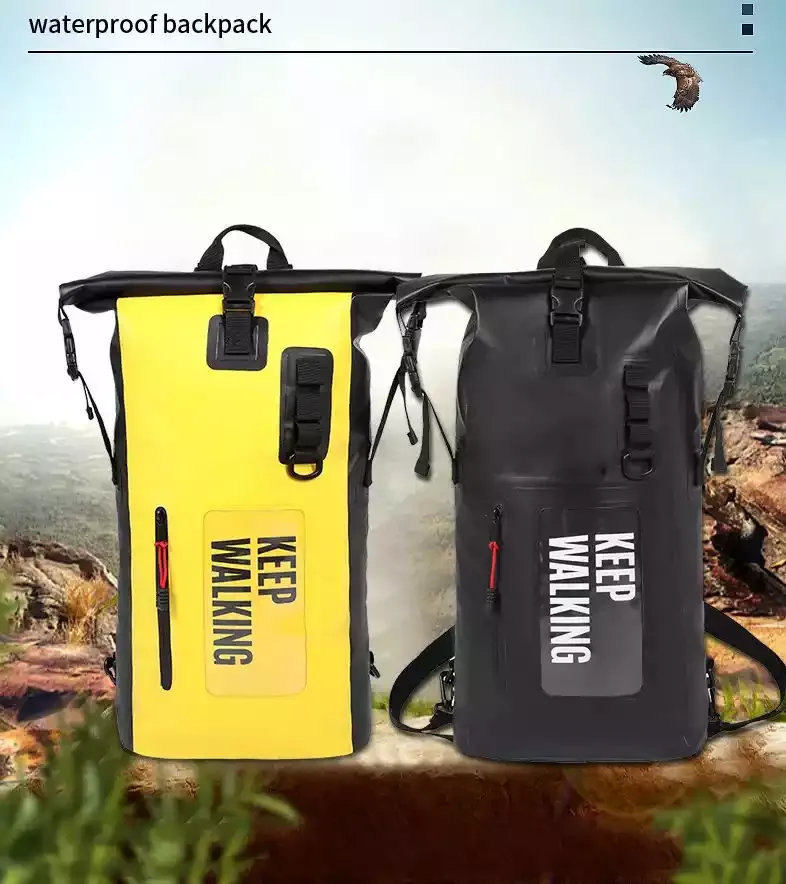
Compare water-resistant, water-repellent and waterproof bag claims by exposure, materials, seams, closures, finished-product tests and evidence.
Read article →Learn how screen printing works on custom bags, from artwork separation and screens to ink application, curing, strike-off approval and production quality control.
Read article →Apply the research
Browse the product categories, review the factory evidence, then share the decisions already made and the questions still open.
Quick answers
Start with the supplier-selection and OEM, ODM and private-label guides, then prepare the product type, intended use, dimensions, material direction, construction, branding, packaging, estimated quantity, destination market, required evidence and target timing.
Buyer Guides support supplier selection, sourcing models, cost planning and evidence review. Manufacturing Knowledge explains product specifications, materials, construction, printing, inspection and other technical decisions used during development.
No. They explain decision factors and questions to ask. Price, MOQ, sampling time and production timing depend on the controlled specification, materials, construction, decoration, tests, quantity, packaging and current production plan.
No. Educational content is not compliance evidence. Match the exact product or submitted sample, applicant, material, method, date, result and market requirement to the applicable document.
Send both suppliers the same controlled RFQ and compare legal identity, relevant product evidence, manufacturing scope, specification discipline, sample approval, quality plan, commercial assumptions and communication.
Yes. A drawing, tech pack, physical sample or reference image can start the discussion. Clearly identify which features are required, which are only visual references and which performance or compliance points need evidence.