
Start with the product, not a generic bag size
A useful dust-bag specification begins with the object it will cover. Shoes, structured handbags, soft accessories and boxed gifts create different panel shapes, opening clearances and contact risks. Send the actual product or controlled maximum dimensions and explain how it is inserted, stored, shipped and removed.
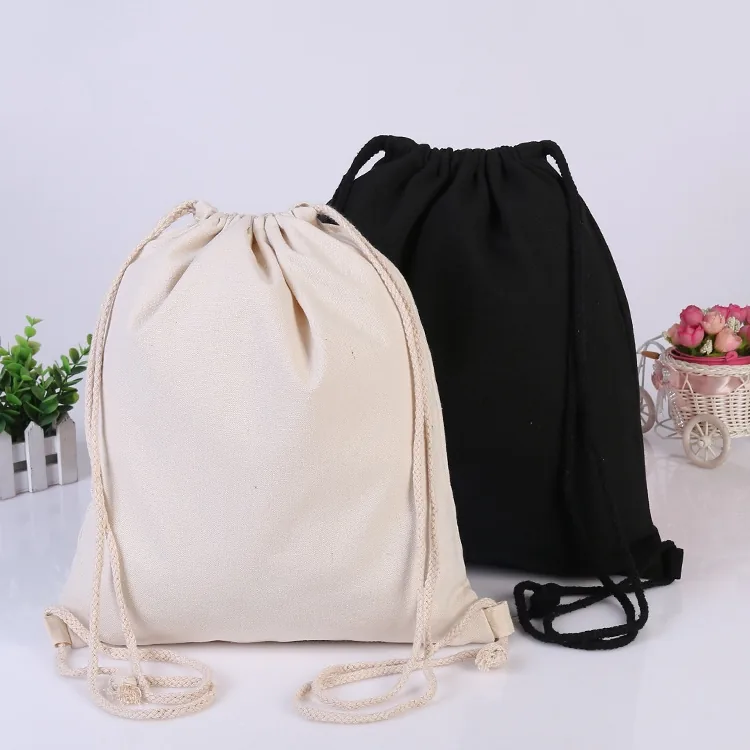
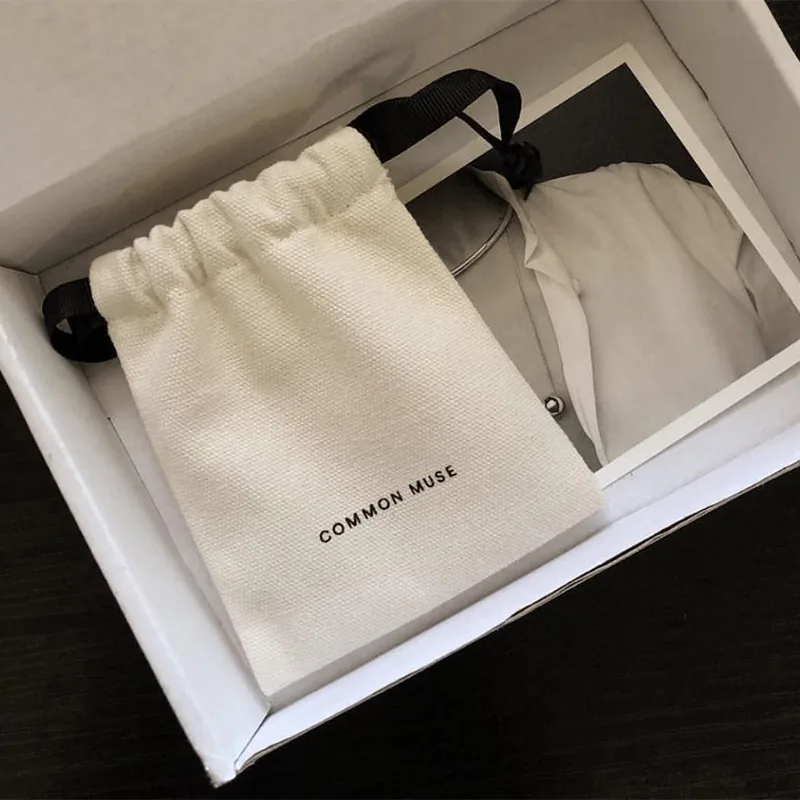
AF06 and AF07 provide existing cotton drawstring construction directions for a Benshine development discussion. They do not prove that one size, fabric or closure is suitable for every product, so the final design remains sample- and specification-led.
Separate the format name from performance claims
“Dust bag” is a widely used sourcing name for a fabric cover, but the wording does not make the finished product dustproof, moisture-resistant, breathable, non-scratch, lint-free or colourfast. If any result matters, define the storage environment, product surface, contact conditions, test method and acceptance criteria before materials are approved.
This distinction is especially important for light-coloured leather, polished hardware, coated products or long storage periods. A representative packed sample can reveal fit, cord contact, lint, colour transfer and handling issues that an empty pouch cannot show.
Control cotton, cord and branding as one construction
A cotton dust bag supplier brief should specify more than the fibre name. Record the fabric construction and weight direction, approved colour and hand feel, seams, drawstring channel, cord or tape, logo method, labels and folding. These choices interact: a heavier cord changes closure behaviour, while fabric texture and colour influence decoration appearance.
AF06 and AF07 support the cotton drawstring direction, but exact composition and any material or environmental claims require project-specific documentation. Branding should be reviewed on the proposed production fabric rather than approved from artwork alone.
Review the complete retail and delivery pack-out
The cover may be folded inside a product, wrapped around it or presented as part of the unboxing experience. Define this journey early because folding pressure, carton loading and storage time can affect creasing, shape and logo presentation.
Approve the dust bag with the real product, labels and final packing method. The resulting record gives Benshine and the buyer a clearer basis for inspection, evidence review and a project-specific quotation without relying on unsupported universal performance or commercial promises.