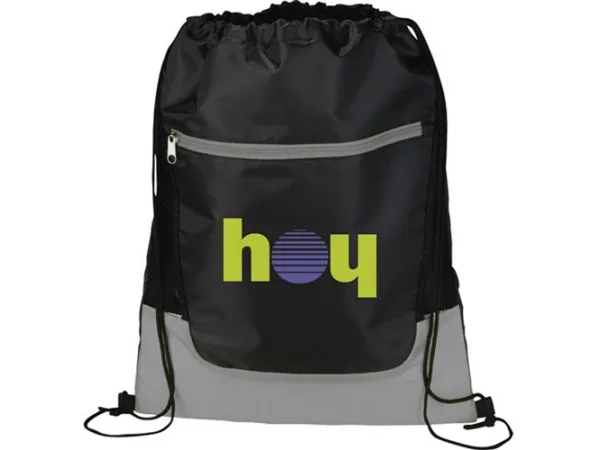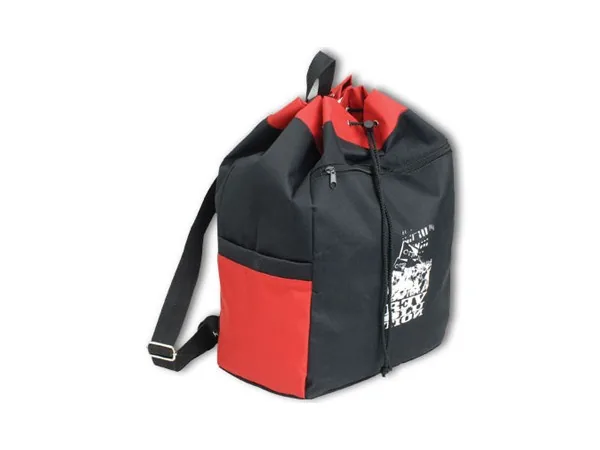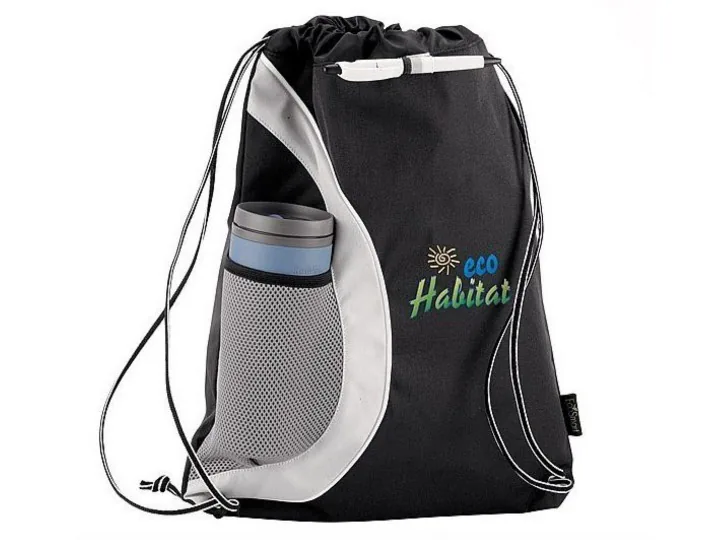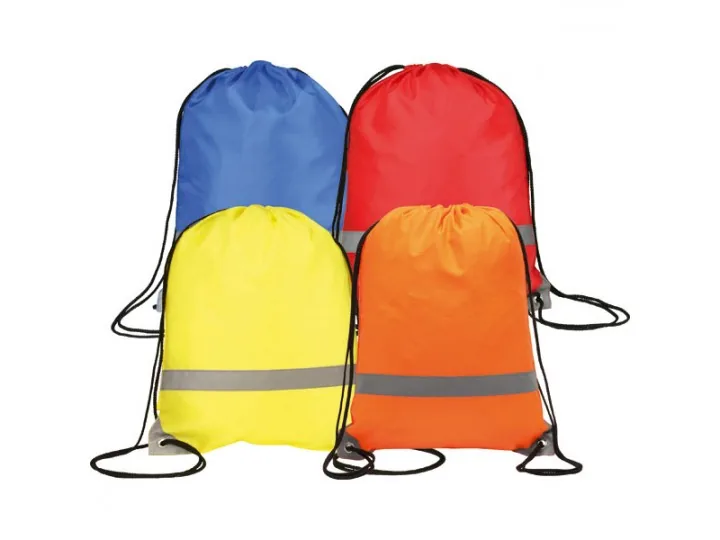
A simple shape still needs a controlled specification
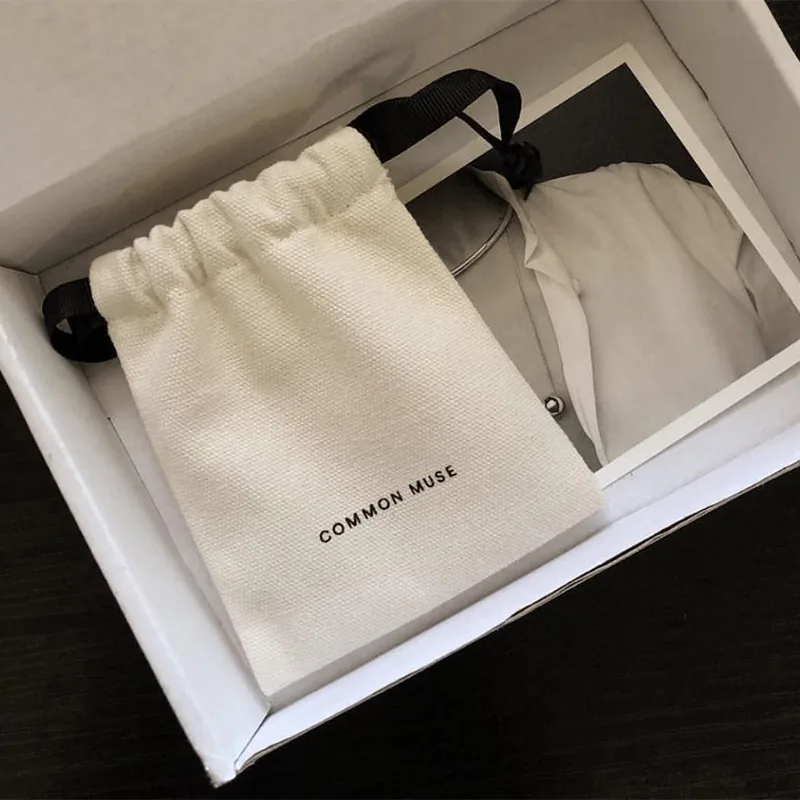
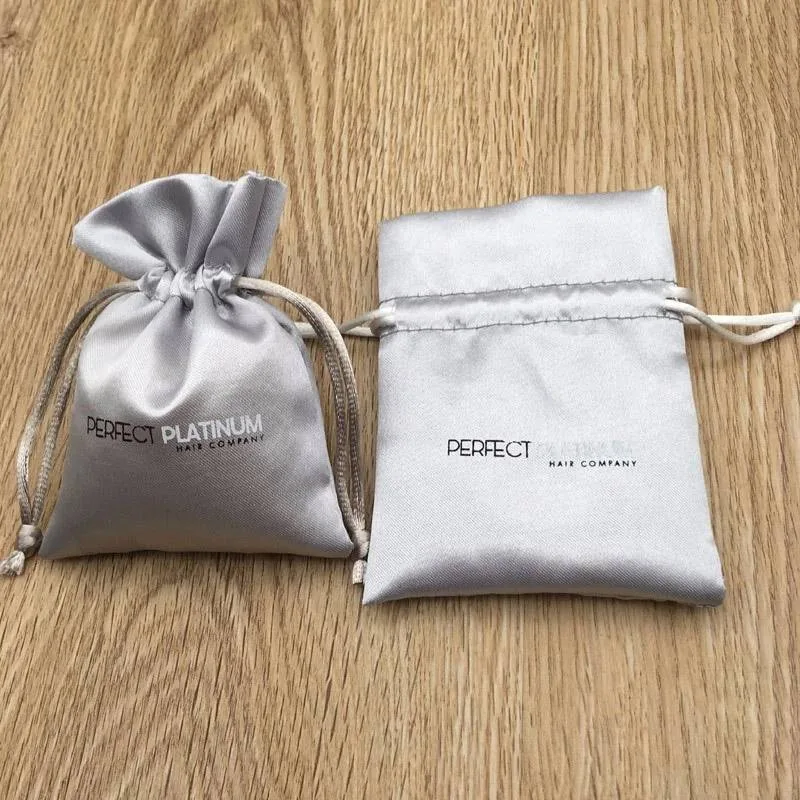
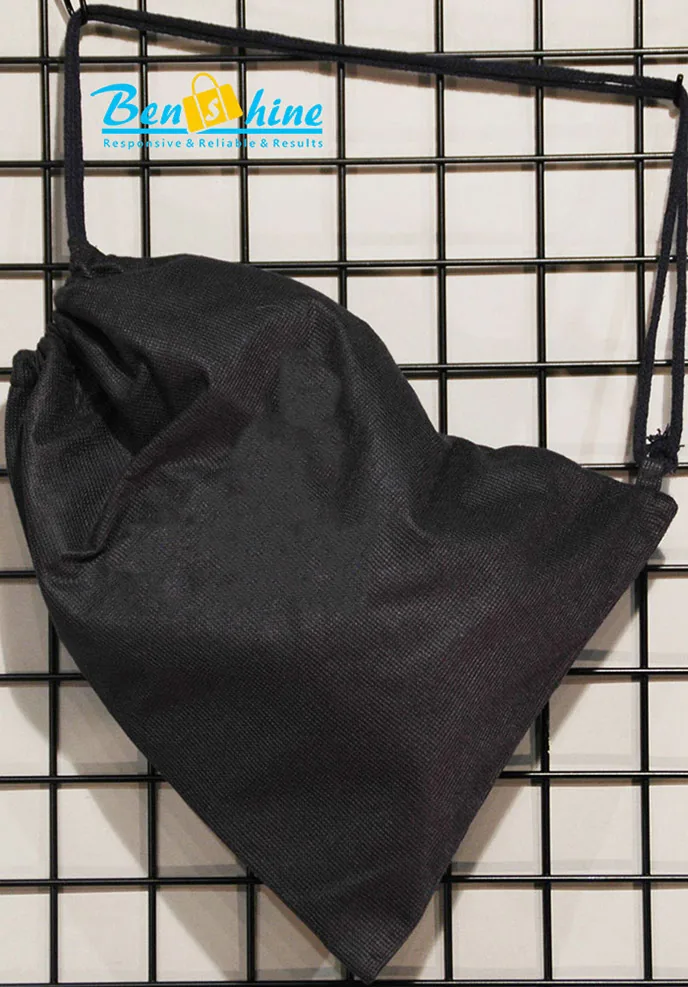
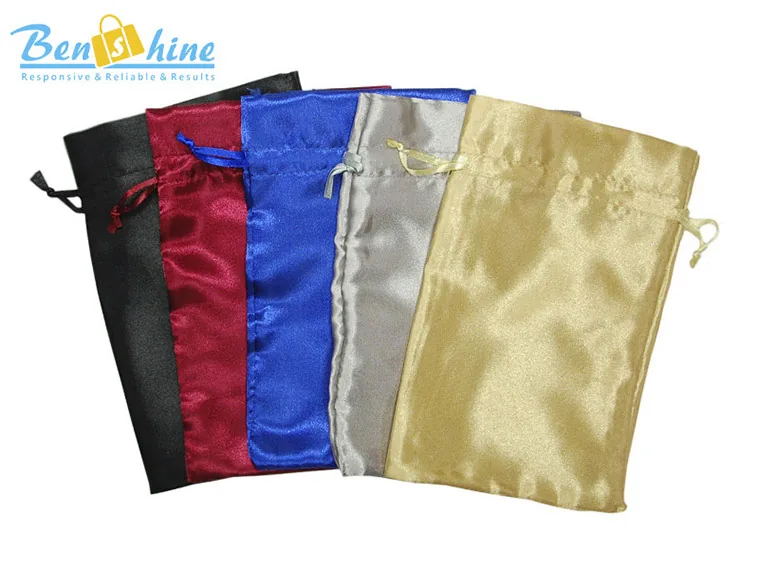
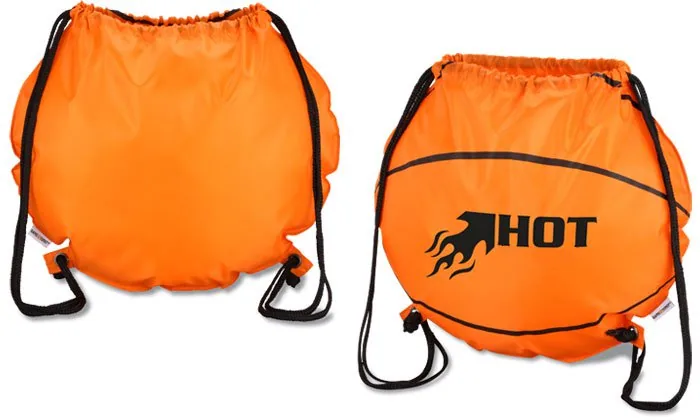
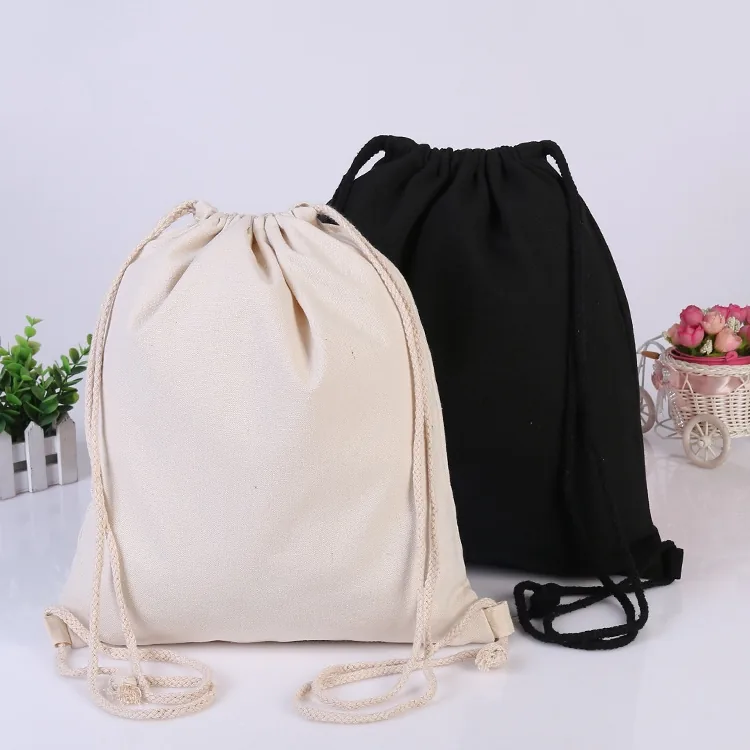
Drawstring bags use fewer panels than many structured bags, but size, fabric, cord and lower-corner construction still affect usability. A light promotional sack and a lined retail cinch bag should not share the same assumptions about load, organization or finish.
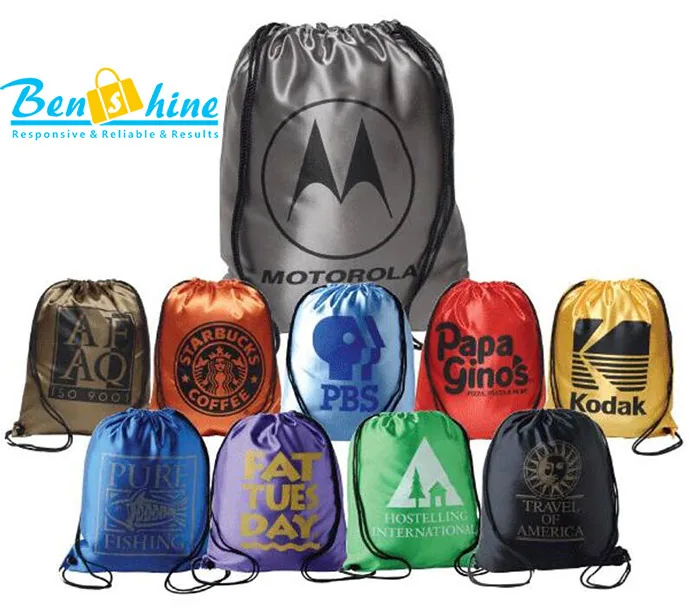
Benshine’s drawstring bag references provide starting points for project discussions. Final materials, print method, construction, performance expectations and commercial terms are confirmed against the buyer’s brief.
Match the cord system to the load
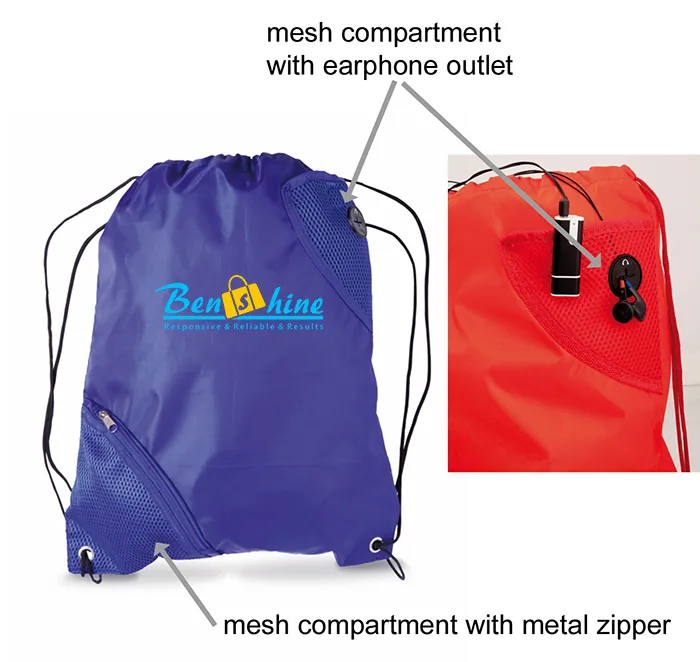
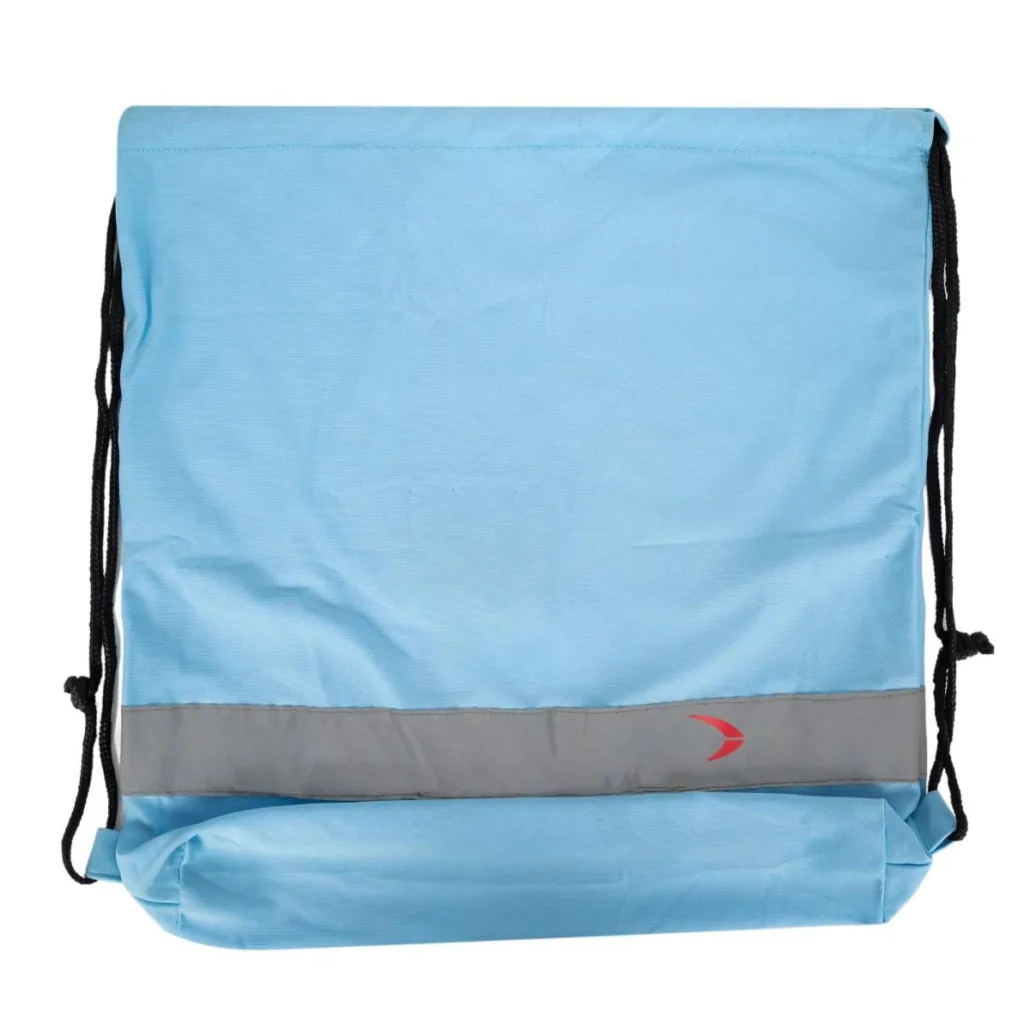
Cord thickness, channel construction, adjusters, eyelets, tabs and reinforcement influence opening and carrying. Buyers should provide representative contents and packed weight so the sample can be reviewed under realistic use rather than only when empty.
Prepare artwork with seams and folding in mind
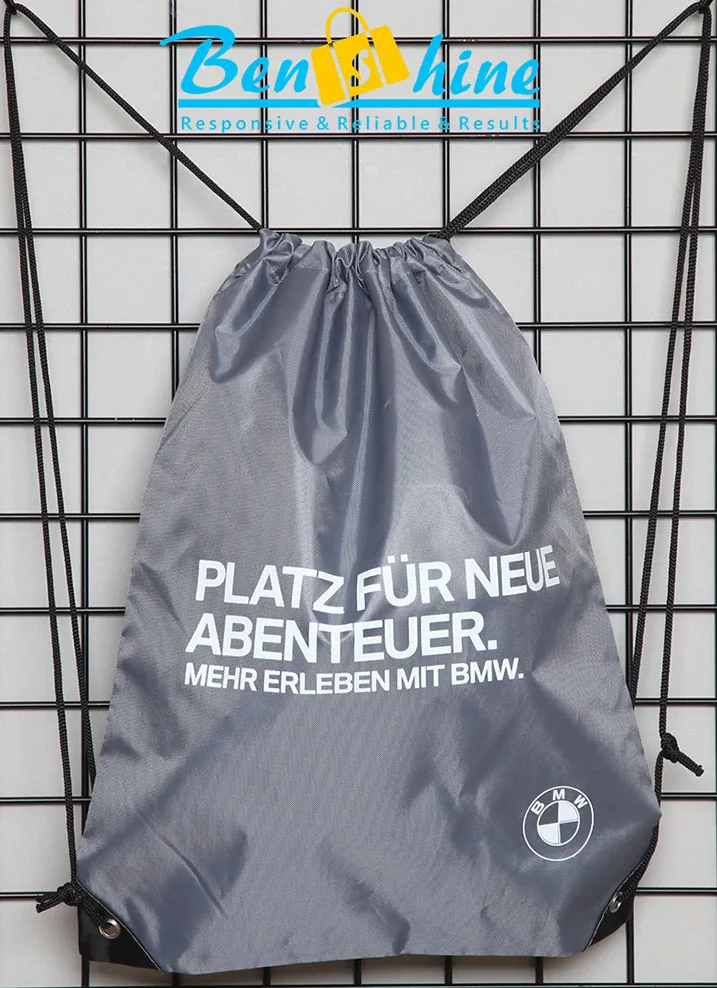
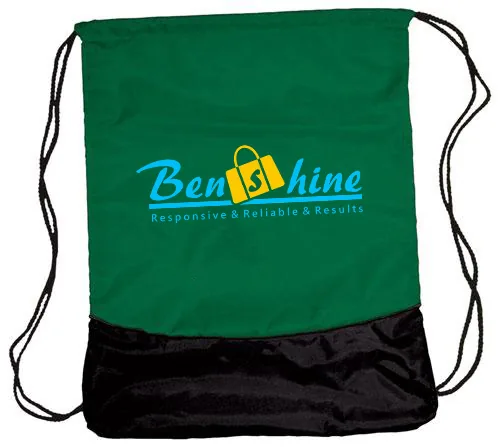
Logo placement should account for side seams, the top channel, pockets and the way the bag is folded for packing. Share vector artwork, colour references and target dimensions before sampling, then approve appearance on the proposed material.
Treat a drawstring backpack as a cord-carrying system
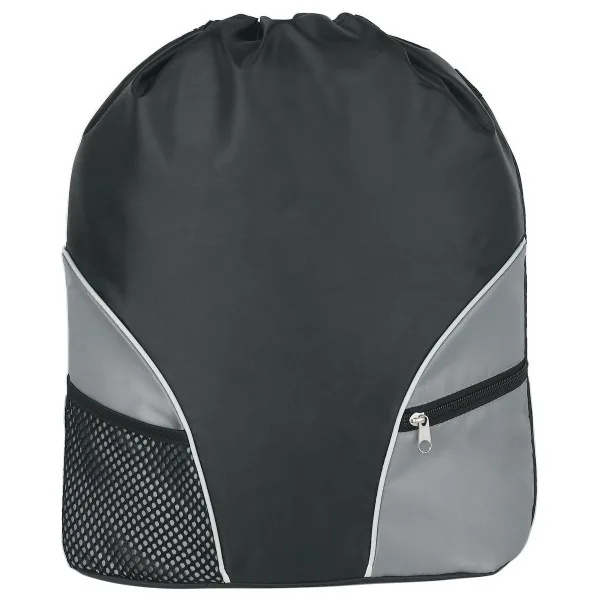
A drawstring backpack manufacturer brief should define how the cord closes the opening and transfers the packed load to the lower attachment points. Cord diameter, channel friction, corner tabs or eyelets and reinforcement affect carrying differently from padded shoulder straps on a standard backpack.
Review the sample with representative contents and users. The term backpack does not imply the comfort, load capacity or organization of a structured backpack; those requirements must be added to the specification and verified separately.