
Start with bicycle fit, not a generic bag size
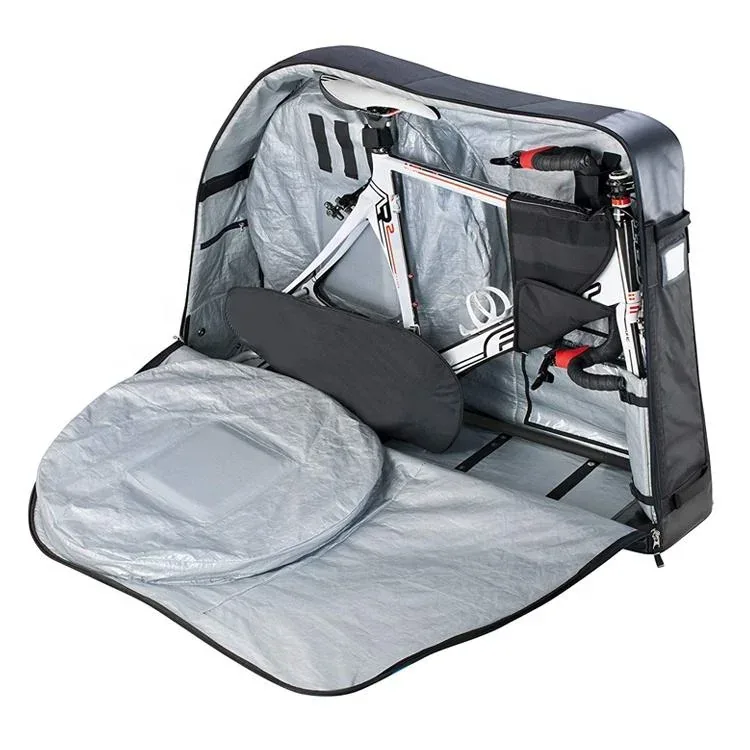
A bike-mounted bag interacts with the bicycle, rider and carried load. Frame geometry, cables, steering movement, pedalling clearance and mounting points can all constrain the usable shape. The first brief should therefore include the bicycle type, mounting location, reference dimensions and photos as well as the intended contents.
Benshine’s published bicycle bag references offer starting points for construction discussions. Final fit, materials, attachments, performance requirements and commercial terms are confirmed for the specific project.
Define attachment and load as one system
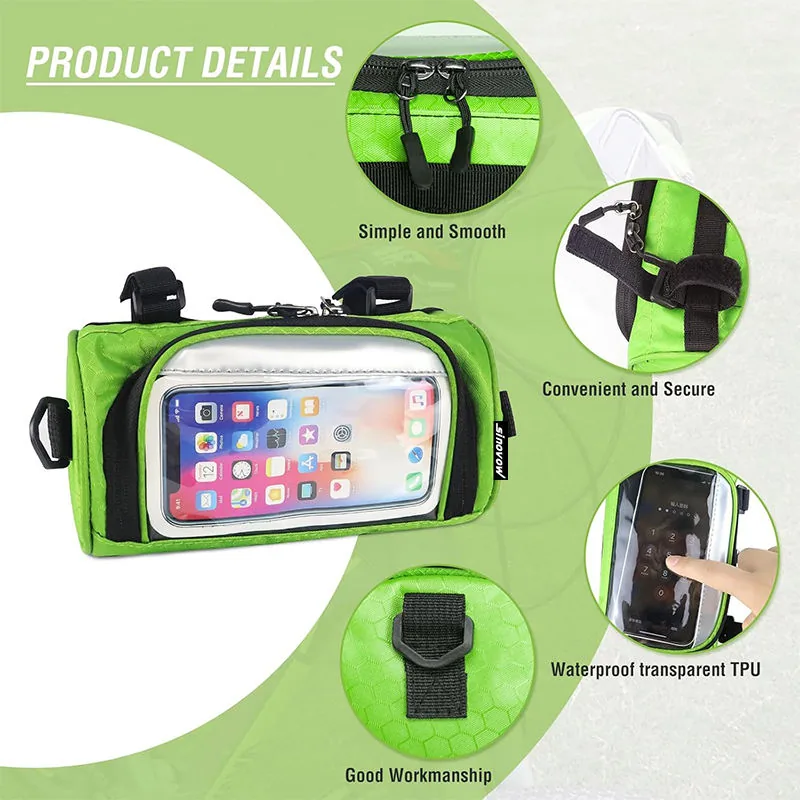
Strap position, width, reinforcement and adjustability should be reviewed together with the packed weight and movement expected during use. A sample that looks correct off the bicycle may still need adjustment after installation. Sample review should include clearance, stability, access and contact with the bicycle surface.
Scope weather and abrasion requirements precisely
Cycling products may encounter rain, dirt and repeated contact, but terms such as water-resistant or waterproof require a defined finished-bag construction and test method. Buyers should identify exposure conditions and critical abrasion areas so materials, seams, zippers and reinforcement can be discussed against measurable expectations.