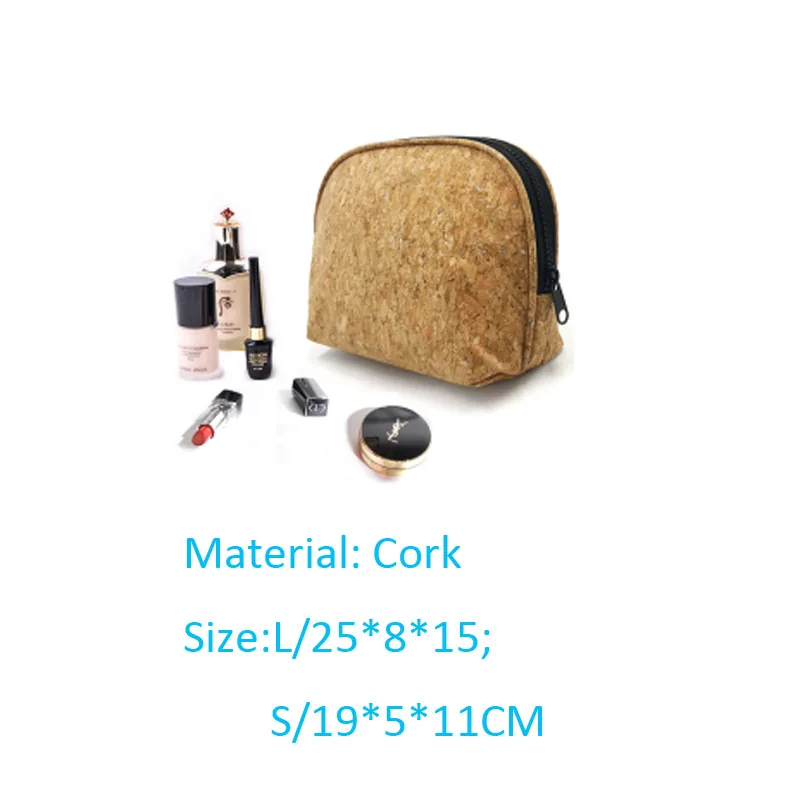
Start with material identity, not surface appearance
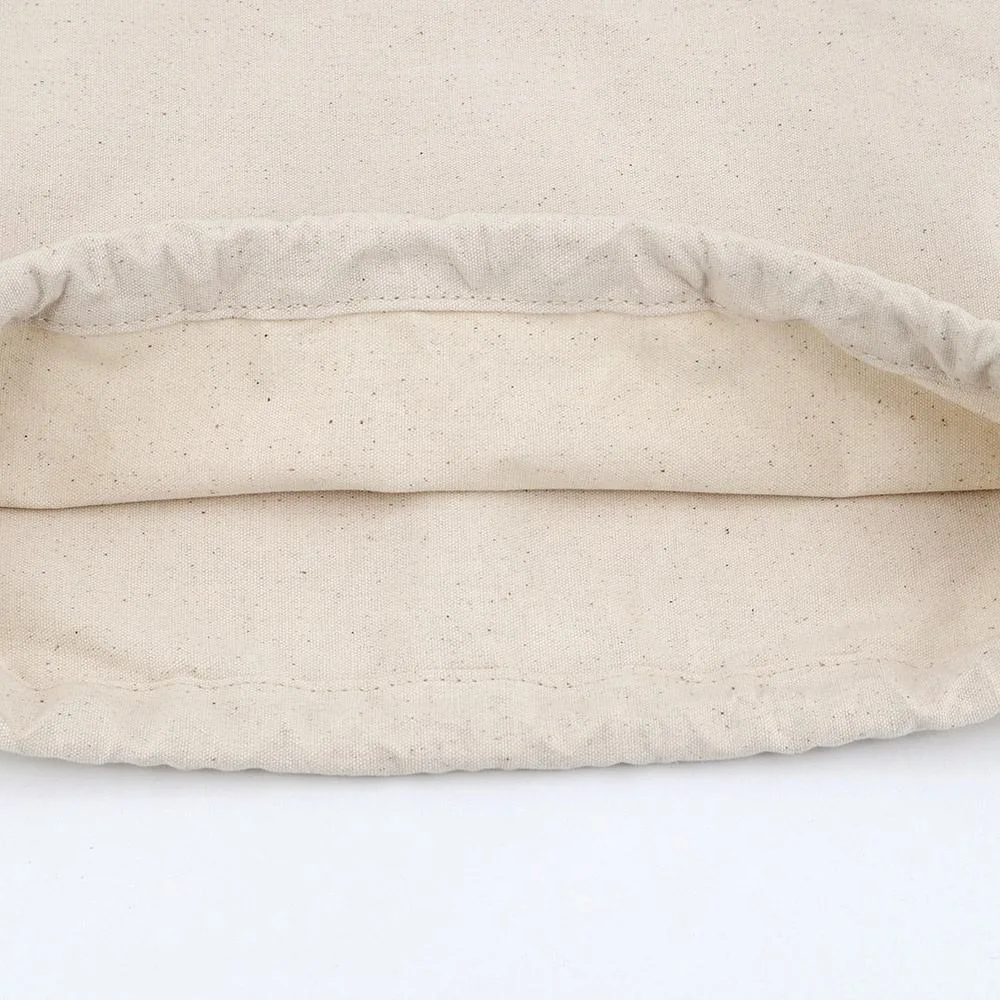
Cork-category materials can differ in backing, thickness, finish, texture and supplier documentation. A photograph can communicate appearance, but it cannot establish composition, source or claim eligibility. Record the required material construction and evidence scope before sampling.
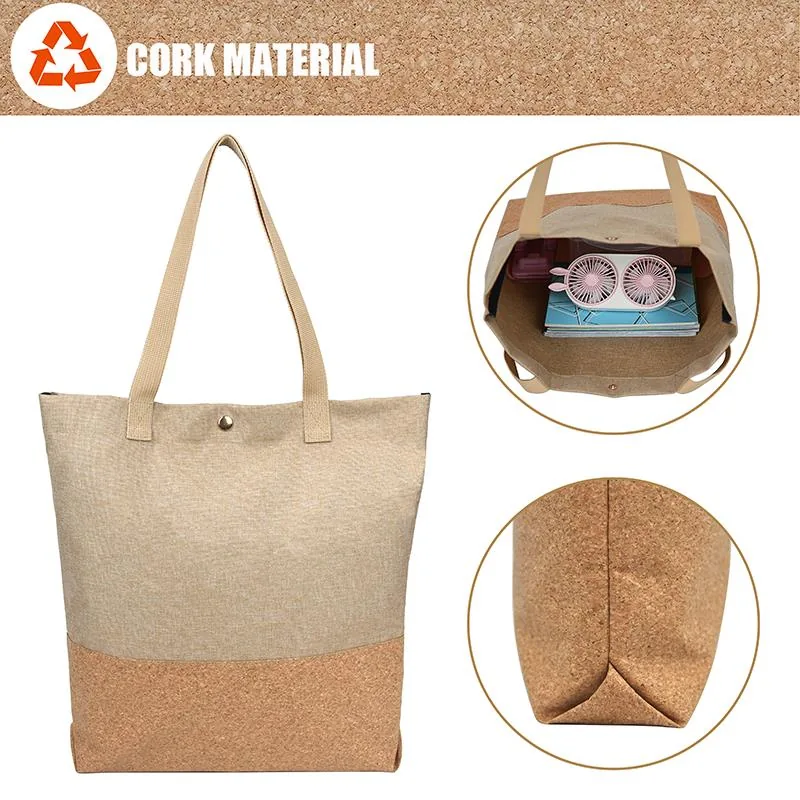
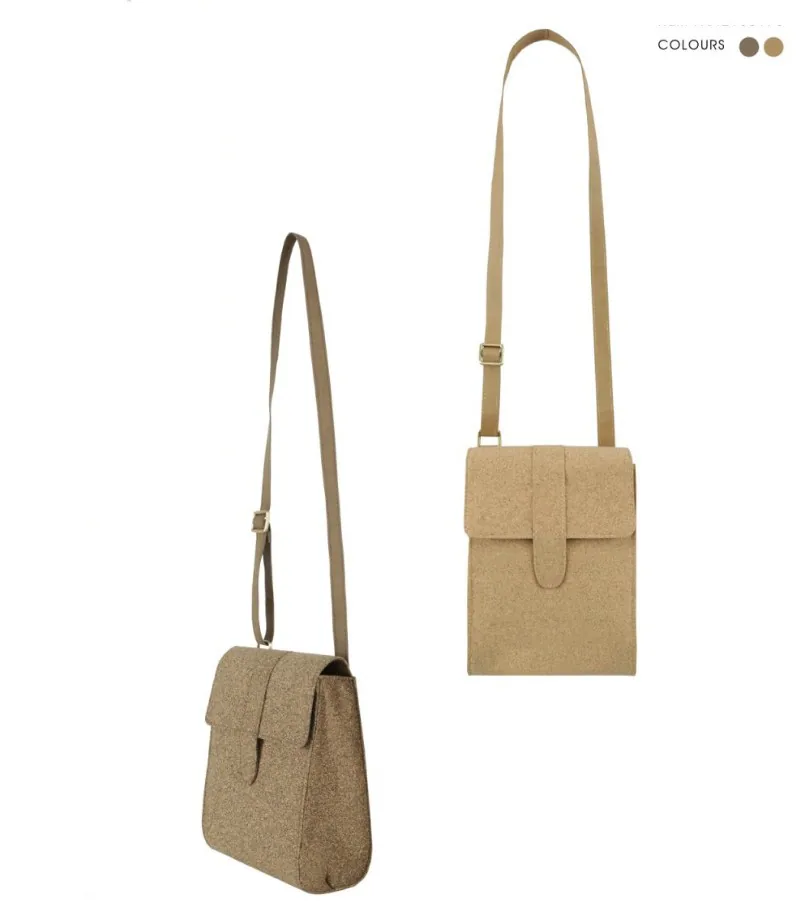
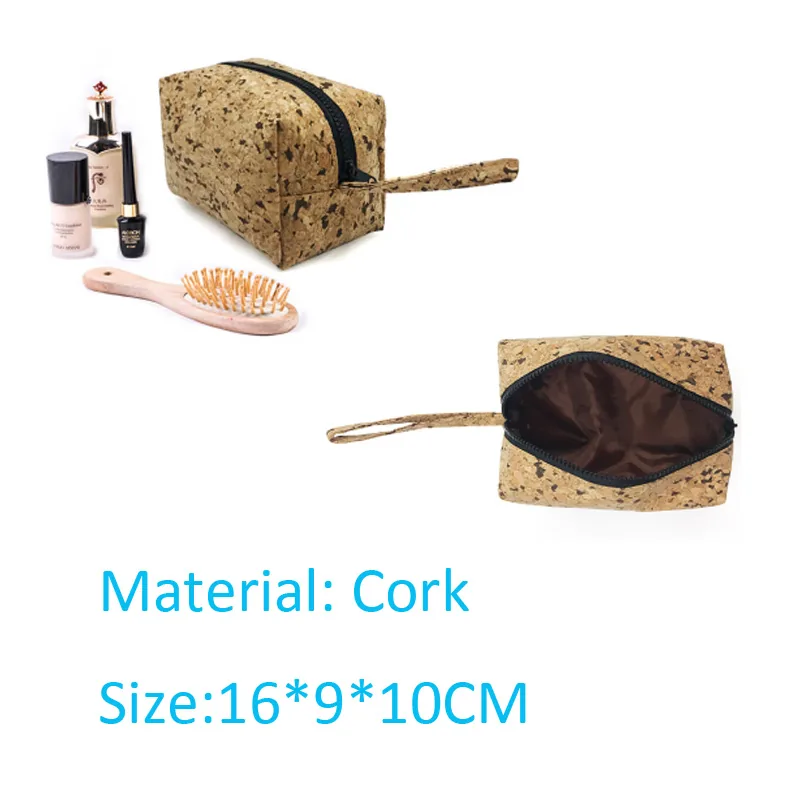
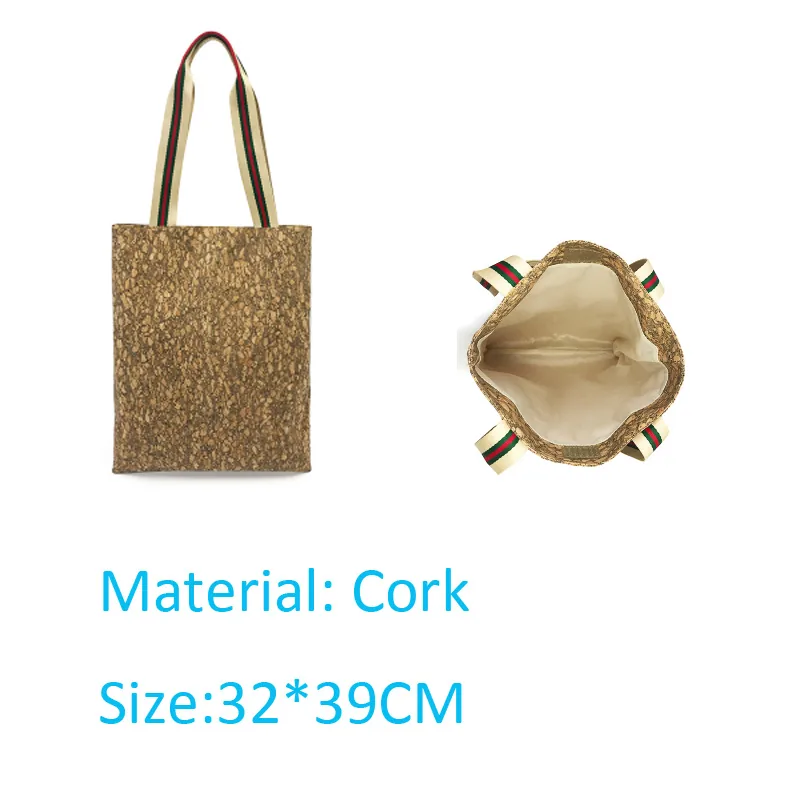
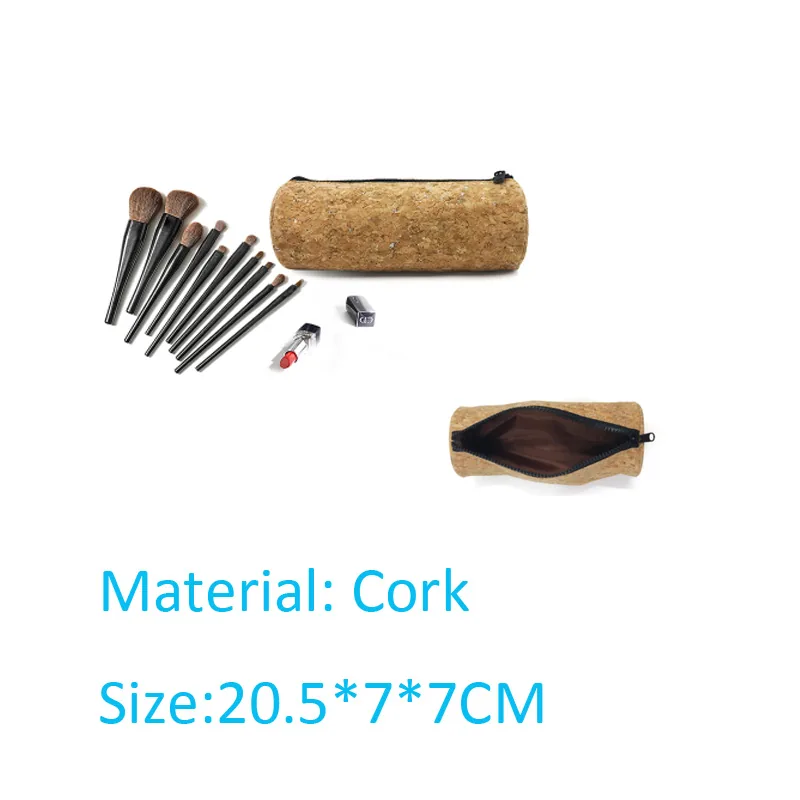
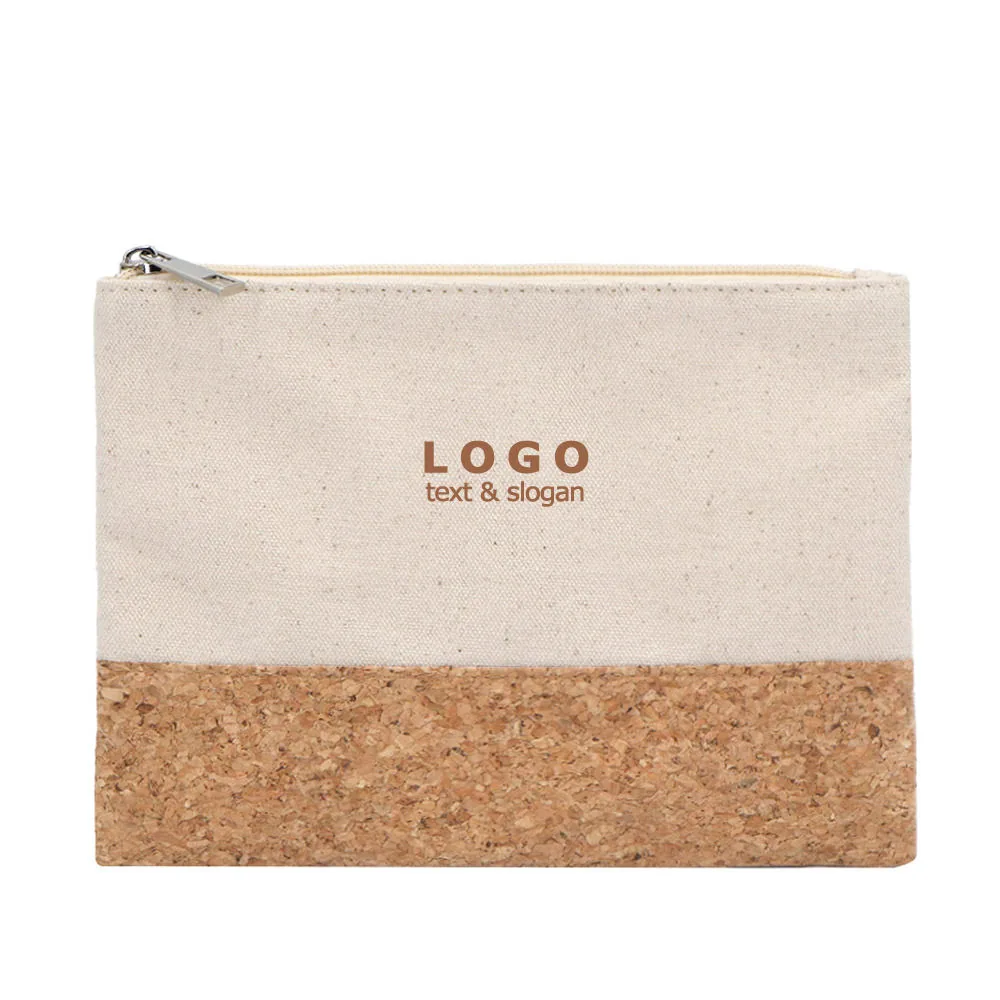
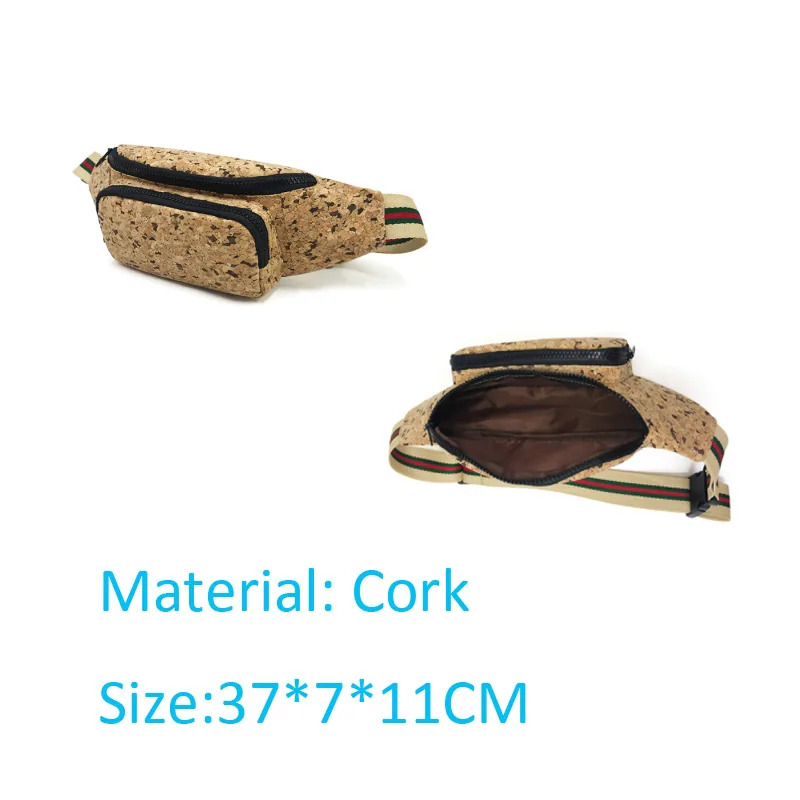
Benshine’s cork bag references provide tote, backpack, pouch and accessory directions. Final material identity, performance, environmental wording, compliance and commercial terms require project-specific confirmation.
Develop material and structure together
Panel geometry, folds, seams, lining and reinforcement influence how the proposed material behaves. Review edges, stitch appearance, attachment points and loaded shape on the physical sample instead of approving the surface swatch in isolation.
Match branding and claims to the approved material
Surface texture and finish can affect printing, patches and labels. Approve decoration on the proposed material construction, and keep product labels or environmental language aligned with evidence that applies to the actual order.