A development route for unusual fabric-based bag concepts

Specialty Custom Bag Manufacturer in China

Direct answer: This page is for specialty custom bag projects outside standard categories. References include a washable kraft-paper flower pot, WB6 listed in its source as a “Dry Gun Bag,” and the ES0322 storage organizer set. Share the intended use, item fit, dimensions, load and requirements for a custom brief.

Product development teamsBrands with non-standard conceptsIndustrial and equipment buyersPromotional product specialists
Discuss on WhatsAppEmail Sales

Source-listed specialty references

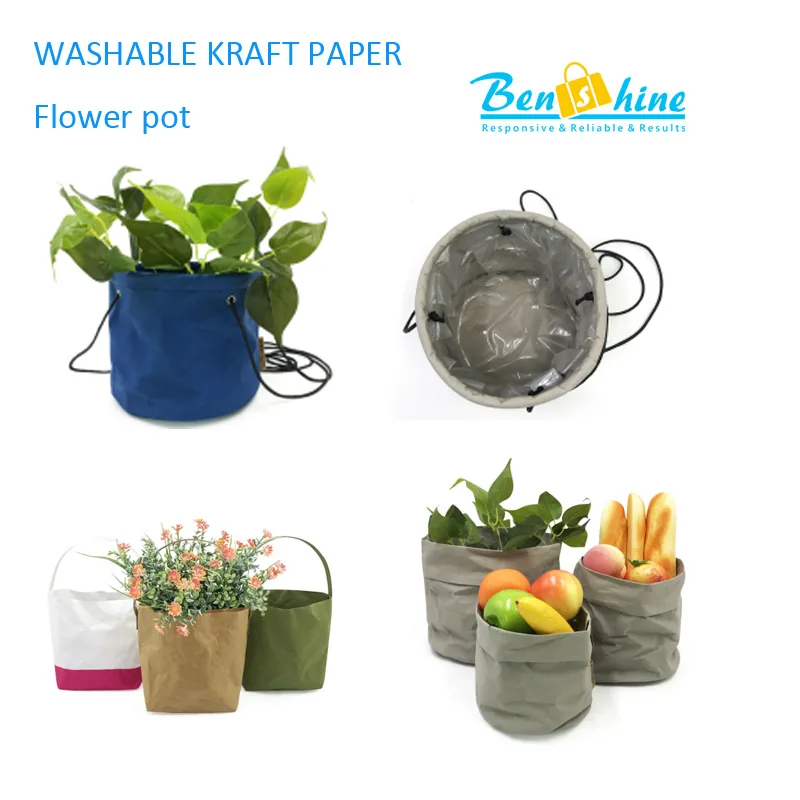
  • Washable Kraft Paper Flower Pot reference: the product sheet lists KRAFT PAPER and the reference size strings 18*18*16CM/25*25*40CM, 20*20*32CM, and 15*15*25CM(open)/26*10*19CM. The source does not label each dimension axis.
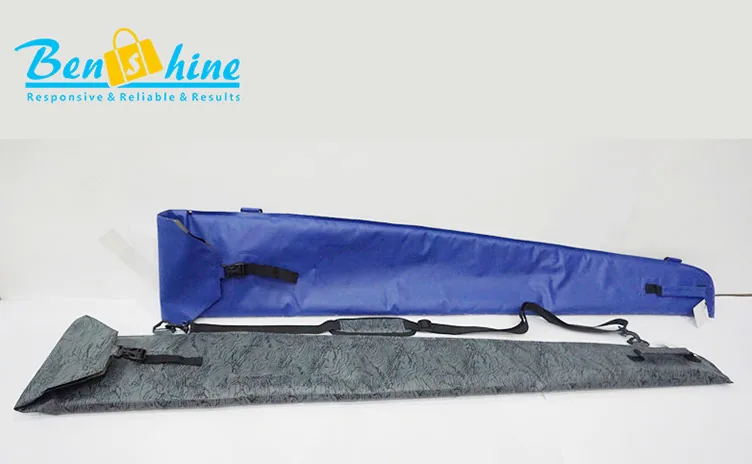
  • WB6 reference: the source calls this item a “Dry Gun Bag,” lists 50C pvc tarpaulin+ stop slippery leather, and gives a 154 × 24.5 cm reference size without identifying the axes.
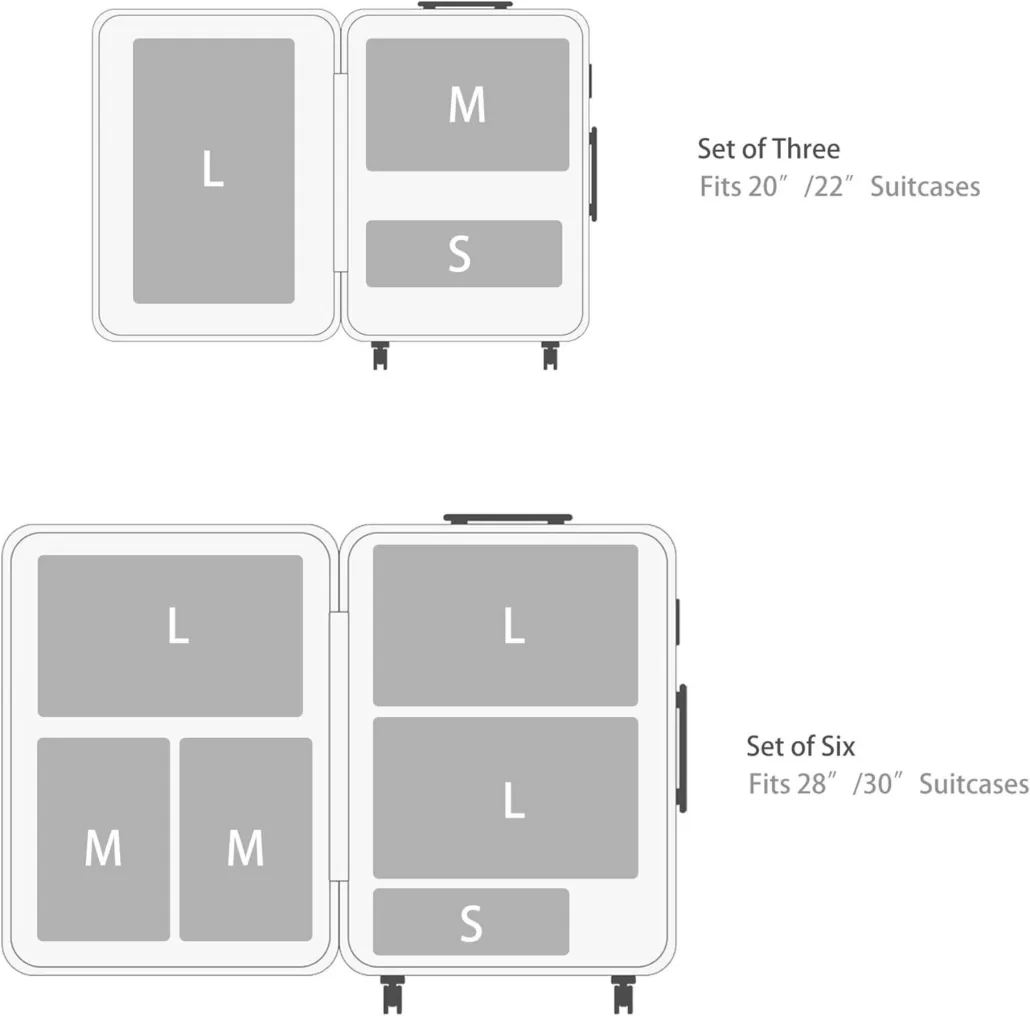
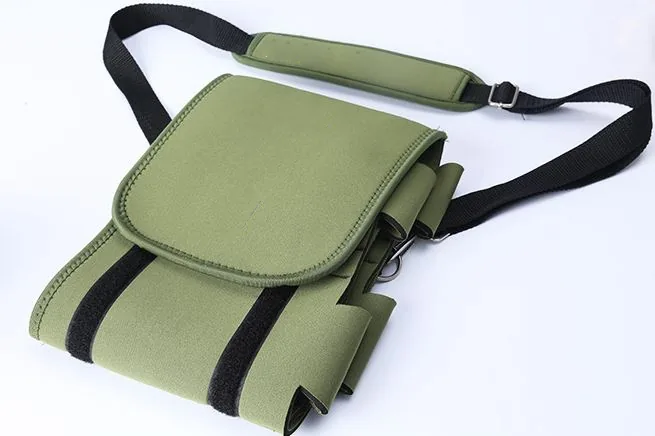
  • ES0322 storage organizer set: use the confirmed product category as the starting point; define the set configuration and final construction in the project specification.

These references show different custom-product briefs. They do not establish the fit or performance of another project; share the intended contents, use, dimensions, load and acceptance requirements for review.

Use this page for concepts outside the standard catalogue

Benshine maintains dedicated category pages for established product families such as backpacks, tote bags, cooler bags and tool bags. This specialty page is for concepts that need unusual geometry, fitted contents or an application-specific construction route. Keeping those intents separate helps buyers begin with the most relevant evidence.

The references shown here are starting points, not promises that a different concept can use the same materials or process. Final feasibility, performance, compliance and commercial terms require review of the actual project brief.

Turn the idea into controlled decisions

A sketch or sample communicates direction, but production also needs finished dimensions, tolerances, load, panel construction, openings, attachments, materials, branding and packaging. Identify measurable success criteria early so each sample revision can answer a specific question.

Sample around the highest-risk unknowns

Non-standard products may require fit checks with the intended item, loaded carrying checks or a buyer-defined performance test. Review the complete sample against the agreed specification, record changes in one controlled revision, and freeze the approved details before production planning.
Application-led design

Choose the construction by how the bag will be used

An application is a starting point for specification—not a substitute for dimensions, materials, components and measurable requirements.

Unusual bag shapes

Translate a sketch, sample or use case into controlled geometry, panels, openings, support and production checkpoints.

Fitted fabric products

Build around the dimensions, weight, contact points and handling of the item the product must hold or cover.

Application-specific carriers

Define load, access, retention, protection and carrying as measurable project requirements.

New product concepts

Separate the essential function from optional features so feasibility and sample revisions can be reviewed clearly.

Benshine product references

Explore custom bags construction options

Select a reference to review the available source details, then identify what must change for your product.

Washable kraft paper flower pot cover reference view

SKU flower pot

Washable Kraft Paper Flower Pot Cover

A washable kraft paper flower pot cover for a specialty product brief. Check the intended pot dimensions, material, finish and cleaning method against a sample.

RFQ specification checklist

Decisions to control before sampling

A complete brief helps Benshine review feasibility and gives buyers a clearer basis for comparing quotations and samples.

DecisionInformation to provideWhy it matters
Function and success criteriaIntended use, users, contents, handling sequence, environment and measurable acceptance pointsA non-standard project needs a clear definition of what the finished product must do.
Geometry and reference informationDrawings, physical sample, photographs, finished dimensions, tolerances and required clearancesControlled geometry reduces ambiguity during pattern development and sample review.
Load and constructionPacked weight, contact points, panels, support, reinforcement, joining, openings and attachmentsConstruction decisions should be tied to the actual load and handling conditions.
Materials and componentsExterior, lining, padding, webbing, closures, hardware, colours and required evidenceMaterial names alone do not establish performance, compatibility or feasibility.
Branding, testing and packagingArtwork, labels, claim wording, test plan, instructions, individual pack and carton constraintsApproval criteria must cover the complete delivered product rather than appearance alone.

From reference to production brief

A controlled sourcing path

01

Explain the use case

Share the problem, intended user, contents, handling, environment, market and measurable success criteria.

02

Create a controlled brief

Document geometry, load, construction, materials, components, branding, evidence, tests and packaging.

03

Use sampling to resolve risk

Review fit, function, access, loaded shape, joins, attachments, decoration and workmanship against the brief.

04

Freeze production details

Approve the specification, controlled sample, artwork, quality checkpoints, pack-out and commercial terms.

Buyer questions

Frequently asked questions about custom bags

What specialty product references are listed?

The references include a washable kraft-paper flower pot with source-listed size strings, WB6 labeled “Dry Gun Bag” in its source, and the ES0322 storage organizer set. Confirm fit and final construction for the custom project.

When should I use the specialty custom bags category?

Use it when the concept does not fit an established category or must be built around unusual geometry, fitted contents or an application-specific process. Standard backpacks, totes and other familiar products should begin on their dedicated category pages.

What should I send for a non-standard bag project?

Send the use case, drawings or reference sample, dimensions, contents, load, handling sequence, materials, components, branding, tests, packaging, quantity, market and timing.

Does a reference image prove that a new concept is manufacturable?

No. Feasibility depends on geometry, materials, construction, components, tolerances, order requirements and testing. A controlled brief and physical sample review are required.

How are performance requirements handled?

Define the relevant condition, test method and acceptance criteria in the project brief. Performance should not be inferred from appearance, a material name or a similar reference product.

What is the MOQ and lead time for custom custom bags?

MOQ is typically 500–1000 pcs depending on style, and lead time is typically 30–45 days depending on quantity and style. The exact MOQ and lead time are confirmed per quotation, after the specification, materials and branding are fixed.

EmailWhatsApp