
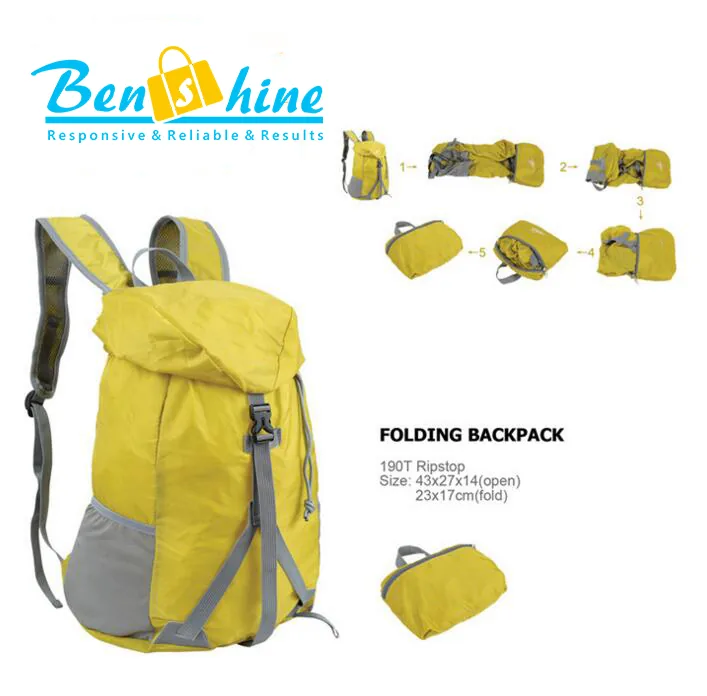
Backpacks can combine shell fabric, lining, foam, coatings, mesh, elastic, webbing, printed graphics, bonded parts and hardware. A method that cleans one component can damage another, so the exact care label takes priority over general internet advice.
Direct answer: To wash a backpack without damaging it, read the sewn-in care label first, empty every compartment, remove loose dirt, identify sensitive materials and test any permitted cleaner on a hidden area. Start with the least aggressive allowed method—usually limited spot cleaning when full washing is not clearly authorized. Machine wash, soak or tumble dry only when the instructions for that exact backpack allow it.
Choose the cleaning method from the care label
Do not choose a method from the product name, colour or shell-fabric description alone.
| Method | Consider it when | Main risks to check | Do not assume |
|---|---|---|---|
| Dry removal | Dust, crumbs, grit or loose debris are present | Abrasive particles caught in seams; damage from a hard brush or strong vacuum | Shaking removes debris from foam, corners or hidden pockets |
| Spot cleaning | The label permits limited surface cleaning or full washing is unclear | Colour transfer, water marks, coating change, print abrasion and cleaner residue | A mild cleaner is safe for every component |
| Hand washing | The exact instructions permit wet cleaning or immersion | Dye migration, foam saturation, coating or adhesive change, metal marks and distortion | Hand washing is harmless because it feels gentle |
| Machine washing | The exact label explicitly permits it | Agitation, tangling straps, zipper impact, spin stress, heat and detergent exposure | Polyester or nylon shell fabric makes the complete bag machine washable |
| Specialist cleaning or replacement | Contamination, mould, unknown chemicals, damaged coatings or complex trims exceed normal care | Cross-contamination, unsafe chemical reactions and hidden material damage | More detergent, bleach or repeated washing will solve the problem |
If the label is missing or unreadable, contact the seller or manufacturer with the exact model details. The conservative choice is not to immerse or machine wash the bag without suitable instructions.
Before cleaning: inspect the entire backpack
Set up a clean, well-ventilated work area and review the bag before adding water or cleaner.
- Empty the main compartment, organizers, device sleeve and all small pockets.
- Remove loose inserts or accessories only when designed to detach.
- Photograph the care label and the bag before cleaning.
- Check for tears, loose stitching, coating damage, delamination, broken hardware and colour transfer.
- Identify shell, lining, foam, mesh, webbing, elastic, prints, patches, leather or leather-like trims and metal parts.
- Remove dry debris gently with an appropriate soft brush or carefully used vacuum attachment.
- Test the permitted cleaner and moisture on a hidden area and allow it to dry before evaluating the result.
Do not clean electronic devices, batteries, lights, power banks or other powered accessories as if they were part of an ordinary textile bag. Remove and handle them according to their own instructions.
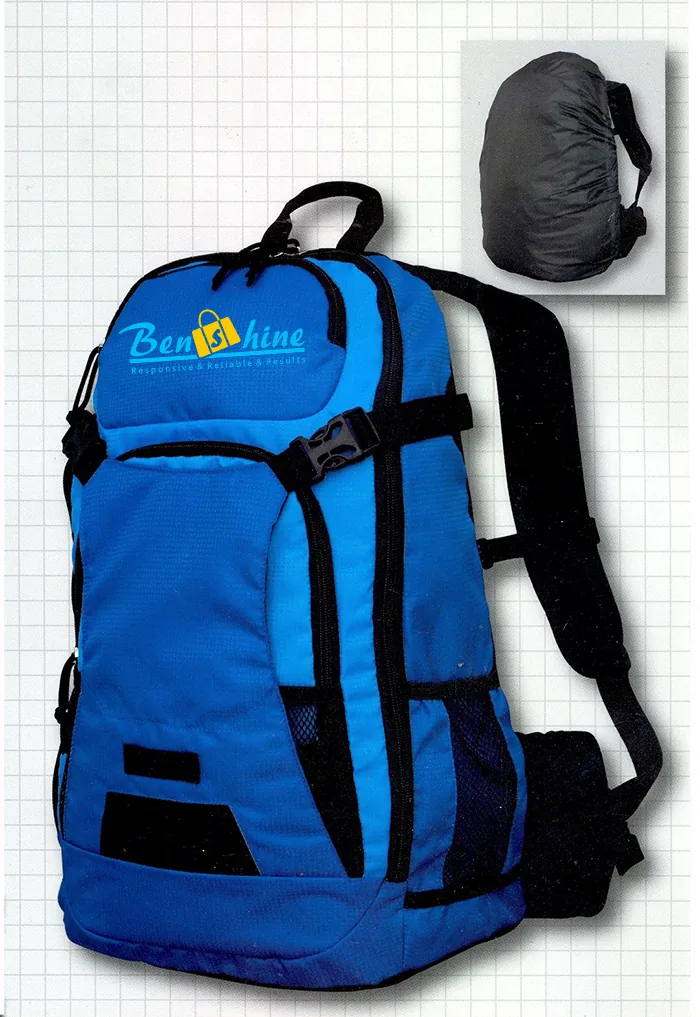
How to spot-clean a backpack
Spot cleaning limits exposure and is often the conservative first step when the label allows surface cleaning.
- Remove loose dirt before wetting the surface.
- Prepare only the cleaner concentration and water temperature permitted by the instructions.
- Test a hidden area for colour, gloss, texture, print and coating change.
- Work from the edge of the mark inward with a soft white or colourfast cloth or suitable soft brush.
- Use limited moisture near seams, foam, bonded panels, prints and coated surfaces.
- Blot rather than aggressively scrub.
- Remove permitted cleaner residue with the method stated in the instructions.
- Reshape and air-dry completely before judging the final appearance.
Repeated rubbing can change surface texture or colour even when the first few strokes appear safe. Stop if dye transfers, the surface becomes tacky, a print lifts or the coating changes.
How to hand wash a backpack when permitted
Use hand washing only when the care label authorizes it.
- close, open or remove components as instructed;
- use the stated water temperature and cleaner;
- support the bag and padded sections when wet;
- minimize soaking time unless the instructions specify otherwise;
- clean gently around zipper ends, labels, prints and coated panels;
- avoid twisting, wringing or pulling a saturated bag by one strap;
- rinse or wipe away residue using the permitted method;
- press out water only as allowed, without deforming foam or structure.
Wet foam and multilayer panels can hold moisture long after the shell feels dry. Allow enough ventilation and time for the deepest sections to dry.
How to machine wash a backpack when permitted
A washing machine is appropriate only when the exact product instructions allow it. Follow the stated cycle, temperature, detergent, preparation and drying method.
Potential preparation steps—only when consistent with the label—may include:
- removing detachable inserts and accessories;
- emptying all pockets and brushing away grit;
- securing straps to reduce tangling;
- positioning zippers as instructed;
- using an approved laundry bag or protective arrangement;
- selecting the permitted gentle cycle and low mechanical action.
Do not add bleach, solvent, stain remover, disinfectant, fabric softener or fragrance product unless the instructions specifically permit it. Never combine cleaning chemicals.
Treat common marks by material and label—not by a universal recipe
| Condition | First questions | Conservative direction |
|---|---|---|
| Dust or dry soil | Is it loose or embedded? Could brushing abrade the surface? | Remove dry debris gently before adding moisture |
| Food or drink mark | What substance, how old and which materials are affected? | Blot residue and use only the label-approved cleaner and method |
| Oil or cosmetic mark | Does the cleaner affect coating, print or dye? | Avoid improvised solvents; test the approved method in a hidden area |
| Salt or perspiration residue | Is the colour stable and can residue be removed without saturation? | Use limited, permitted cleaning and remove cleaner residue carefully |
| Ink, paint or adhesive | What chemical is it, and is specialist advice available? | Do not escalate to strong solvent without material-specific authorization |
| Unknown chemical or biological contamination | Is there a safety or cross-contamination risk? | Isolate the item and seek appropriate specialist guidance |
This guide does not provide stain-specific chemical formulas because the contaminant and backpack material system must both be known.
Protect prints, coatings, foam and hardware
Prints and logos
Friction, heat, solvents and long soaking can affect screen printing, heat transfer, reflective graphics, patches and other decoration. Test an inconspicuous area and avoid aggressive brushing across artwork.
Water-resistant coatings and seam treatments
A water-resistant backpack is not automatically washable or soakable. Detergent, abrasion and heat can change coatings, seam tape, adhesive or water-repellent finishes. Follow the care label even when the product is designed for wet weather.
Foam and structure
Shoulder straps, back panels, device sleeves and reinforced bases may contain foam or board. Saturation can extend drying time or change shape. Do not wring or hang a heavy wet bag from one attachment point unless the instructions allow it.
Zippers and hardware
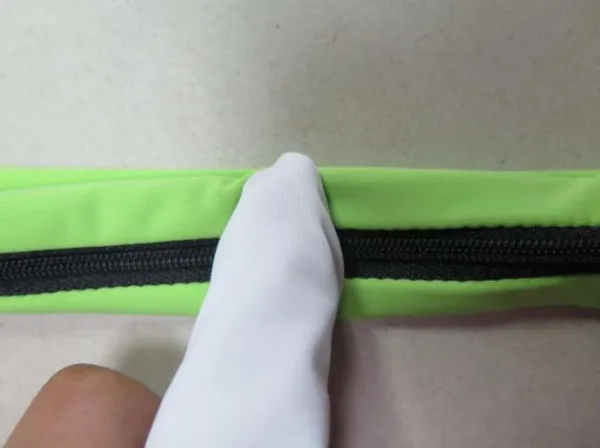
Remove grit gently before operating zippers. Avoid forcing sliders while fabric or lining is caught. Metal parts may react to moisture or cleaner, and loose straps can tangle in machinery.
Dry the backpack completely
Unless the label gives another method:
- Reshape the bag while damp.
- Open the main compartment, sleeves and every pocket.
- Position the bag so air can reach foam, seams and pocket corners.
- Air-dry in a ventilated place away from strong direct heat.
- Turn or reposition it carefully if this improves ventilation without distortion.
- Check hidden layers and padded areas before reloading or storage.
Do not use a tumble dryer, radiator, hair dryer or other concentrated heat unless expressly permitted. Heat can affect coating, foam, adhesive, elastic, plastic hardware and shape.
Odours, mould and difficult contamination
Odour is a symptom, not a cleaning specification. Empty and inspect the bag, identify the likely source, clean by the permitted method and dry fully.
For visible mould, sewage, bodily fluids, pests, chemical spills or an unknown substance, avoid casual chemical mixing or aggressive home treatment. Isolate the item as appropriate and seek guidance suited to the contaminant, materials and local disposal or health requirements. Replacement may be safer or more practical when contamination reaches inaccessible foam or multilayer construction.
Storage and routine care
- remove food, damp clothing and rubbish promptly;
- let ordinary moisture dry before closing the bag for storage;
- avoid long storage under a heavy load that distorts foam or panels;
- keep sharp objects away from lining and coating;
- inspect load-bearing seams, straps, buckles and zippers periodically;
- address small damage before it expands, using an appropriate repair service where needed;
- store according to the product instructions in a clean, dry location.
Routine emptying and dry debris removal can reduce the need for aggressive washing.
Design care into a custom backpack
Brands developing a backpack with Benshine should decide how the proposed material and construction affect cleaning before production approval.
Include these questions in the product brief:
| Design decision | Care question to resolve |
|---|---|
| Shell and lining | Which cleaning method is supported for the selected colours and finishes? |
| Foam and reinforcement | Can hidden layers dry fully under the proposed method? |
| Coating or lamination | How may water, detergent, friction and heat affect the finish? |
| Print, embroidery or patch | Which method protects appearance and attachment? |
| Removable insert | Can the user remove, identify and reinstall it correctly? |
| Pocket geometry | Can debris and moisture be reached and released? |
| Hardware | Is it suitable for the permitted cleaning and drying exposure? |
| Care label | Are symbols and written instructions supported by the final approved build? |
Benshine can discuss material and construction options against a controlled brief. Washability, colourfastness, coating durability, test scope and care-label wording require agreement and applicable evidence for the selected product; they are not guaranteed by a generic fabric name or this guide.
Care approval for a custom backpack programme
Before finalizing consumer instructions:
- freeze the intended material, colour, coating, decoration, foam and hardware;
- define the proposed cleaning and drying method;
- agree the representative sample and evaluation criteria;
- review appearance, colour, dimensions, coating, print, adhesion, hardware and function after the specified care exposure;
- record any limitations or prohibited methods;
- approve the care label and packaging instructions with the final specification;
- reassess the instructions when a relevant material, supplier, colour or process changes.
A test result for one material or sample should not be extended to every colour, construction or future production lot without a documented basis.
Continue your backpack research
- Choose a backpack for school, work or travel
- Browse Benshine custom backpack references
- Compare school bag directions
- Review laptop bag sourcing considerations
- Plan product-specific quality controls
- Send Benshine a controlled backpack brief
Quick answers
What is the safest way to wash a backpack?
Follow the sewn-in care label for the exact bag, empty every compartment, remove loose dirt, identify sensitive materials and test a hidden area. Use the least aggressive permitted method; spot cleaning is a conservative starting point when full washing is not clearly allowed.
Can I put a backpack in a washing machine?
Only when the care label or current instructions for that exact backpack permit machine washing. Foam, coatings, prints, bonded parts, leather-like trims and hardware can be damaged by immersion, agitation, detergent, spin cycles or heat.
Can I hand wash a backpack?
Hand washing may be appropriate when the care instructions permit wet cleaning. Use the allowed water temperature and cleaner, minimize soaking, support padded sections and avoid twisting or wringing. Spot cleaning remains safer when full immersion is not authorized.
How should I dry a backpack after cleaning?
Unless the care instructions state otherwise, reshape the bag, open every pocket and air-dry it fully in a ventilated place away from strong direct heat. Do not store or reload it while foam, seams or hidden pockets remain damp.
How do I remove an odour from a backpack?
Empty and inspect the bag, identify the source, remove permitted loose debris and clean only by the approved method. Dry the bag completely. Persistent chemical, biological or mould-related odours may need specialist assessment rather than fragrance or repeated washing.
Does a water-resistant coating mean the backpack can be soaked?
No. Water-resistance claims describe intended exposure, not cleaning permission. Soaking, detergent and abrasion may affect coatings, seam treatments, adhesives, prints and trims, so the care label controls the cleaning method.