Build the backpack around its job
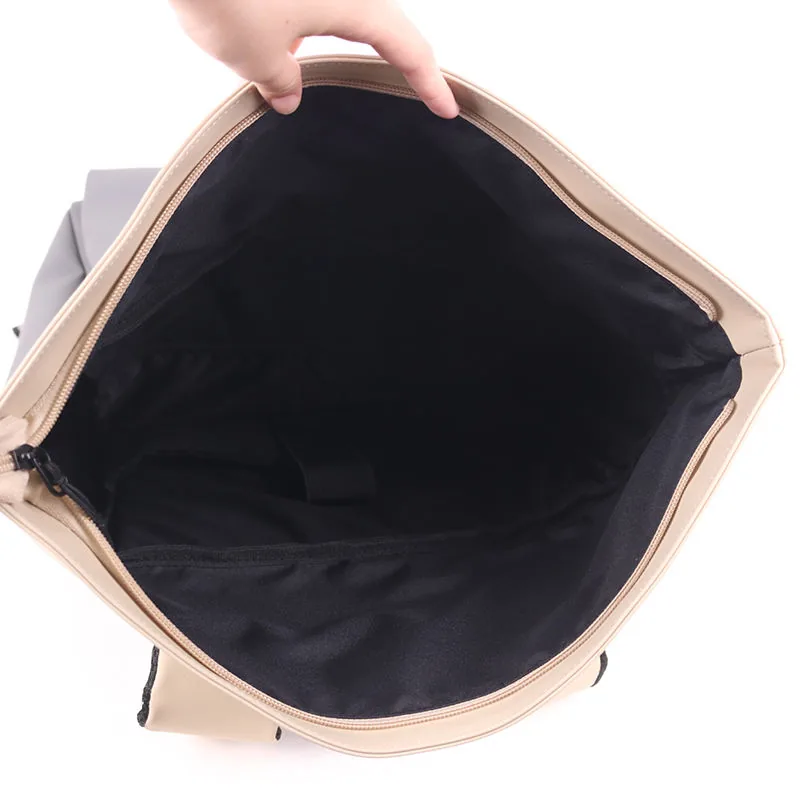
A useful backpack brief begins with the load and the user. A commuter pack carrying a laptop, charger and documents needs a different opening, protection strategy and internal layout from a light promotional backpack. A school backpack needs age-appropriate proportions and practical organization, while a travel or hydration design brings different access and carrying questions.
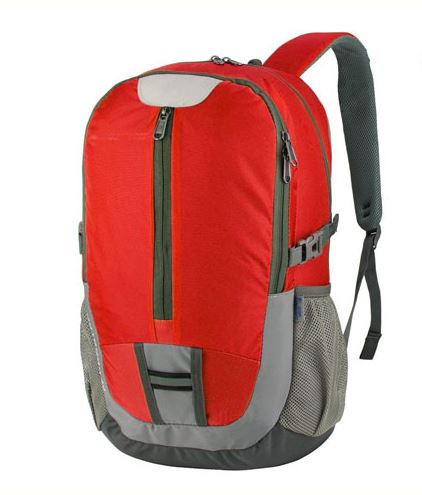
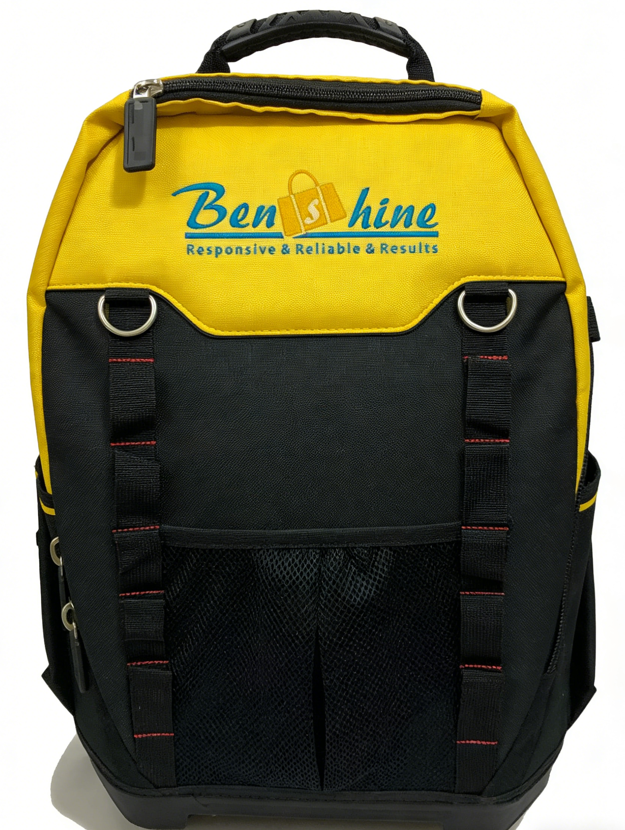
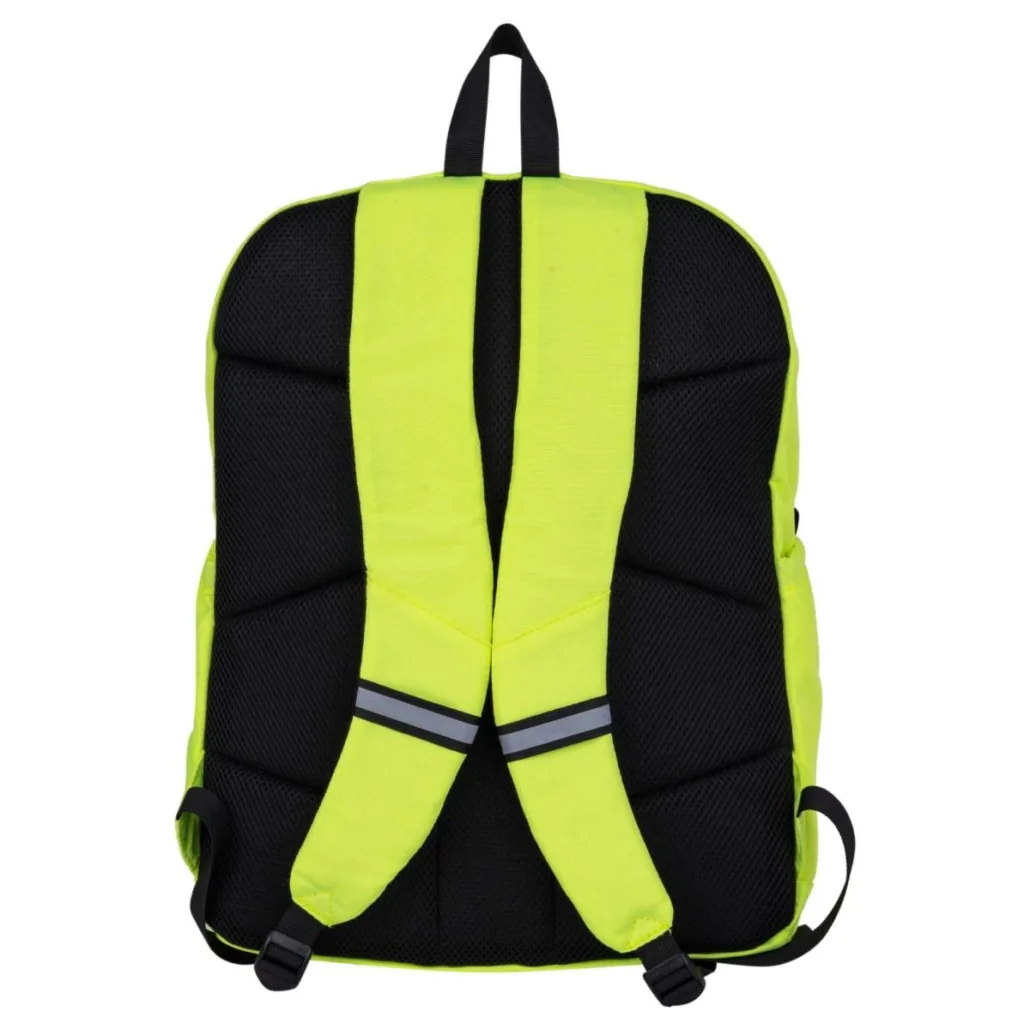
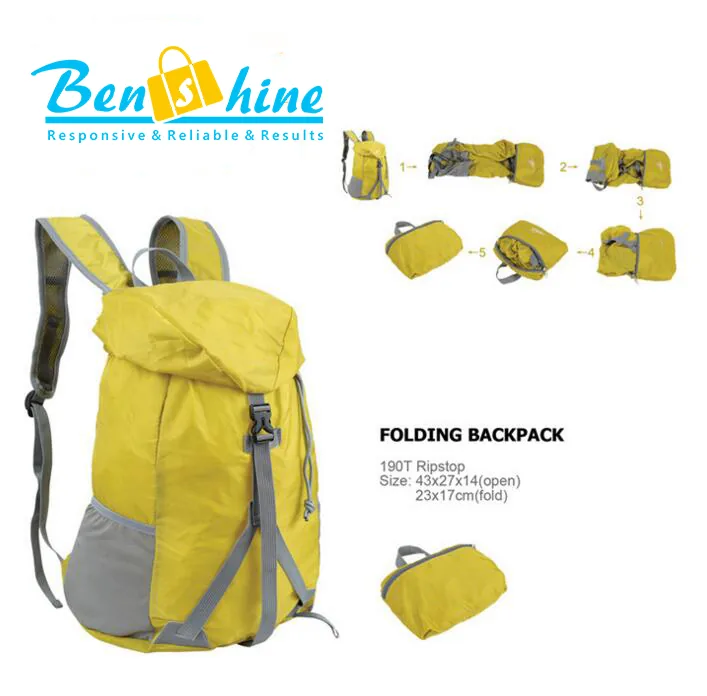
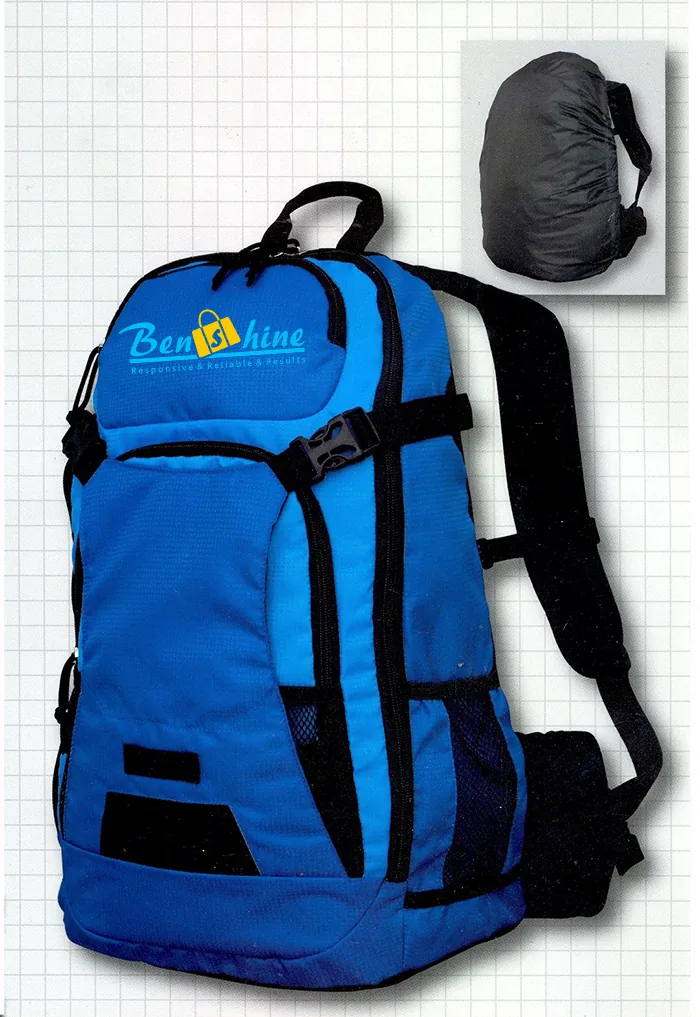
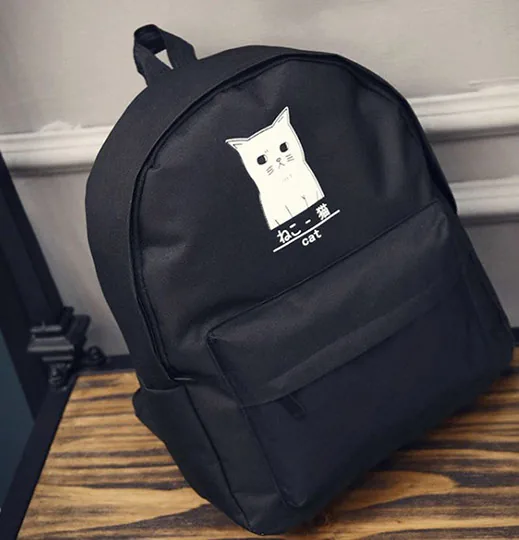
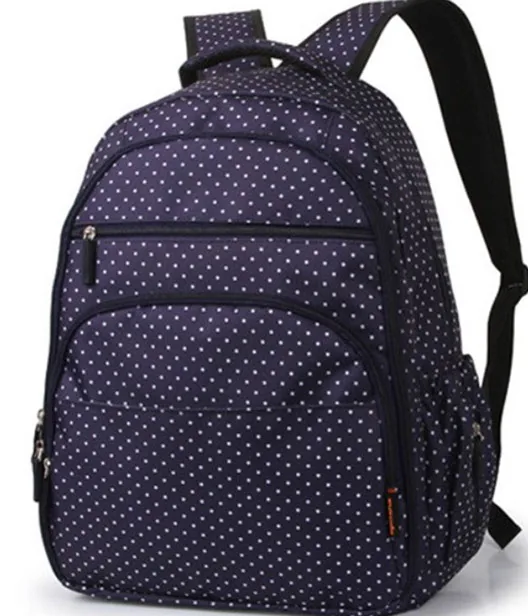
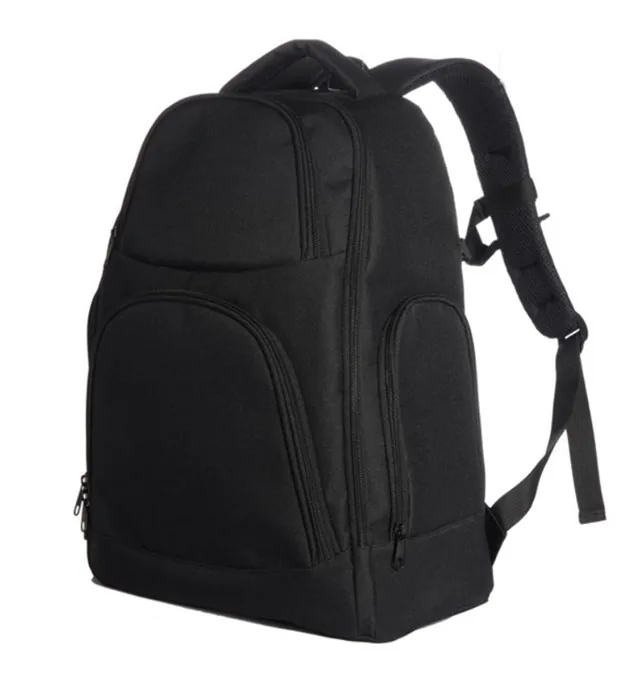
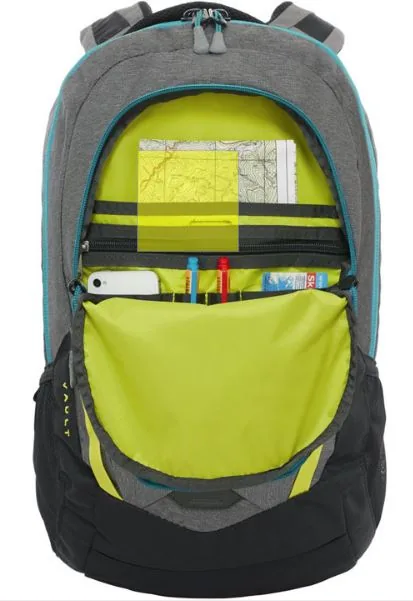
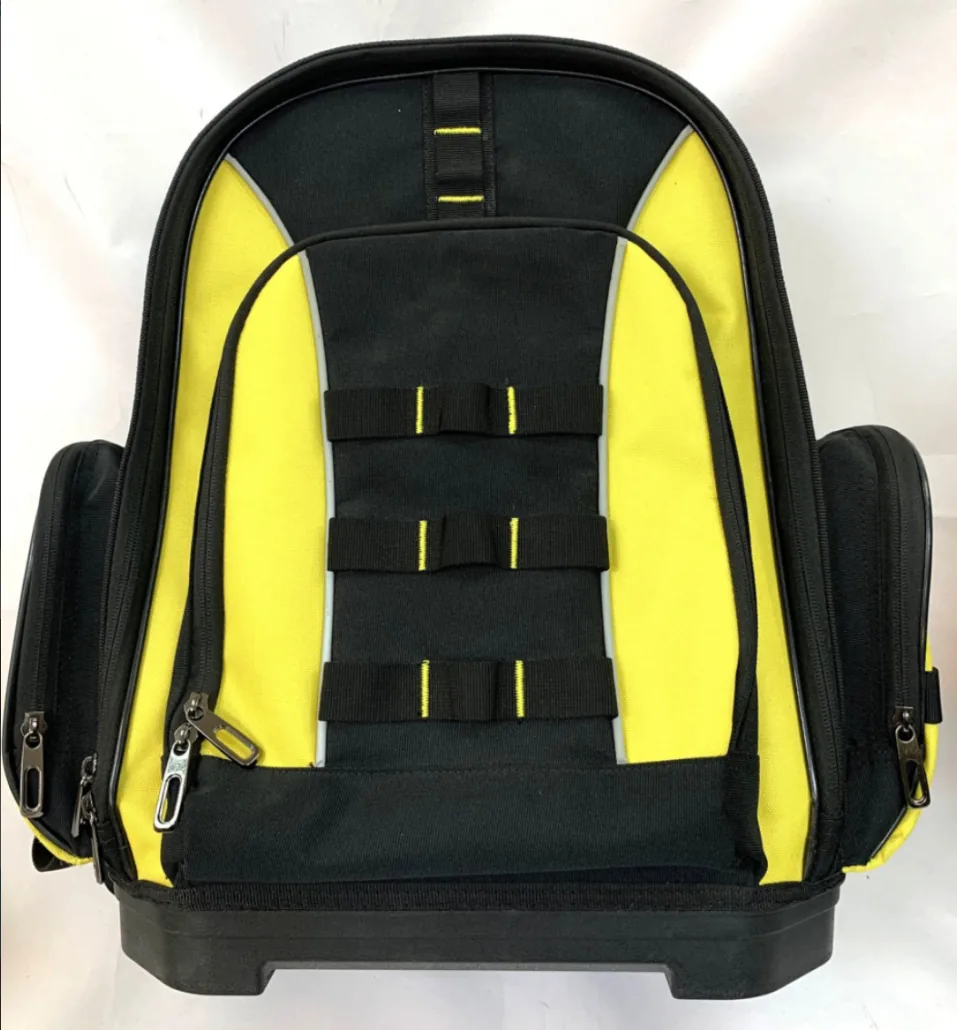
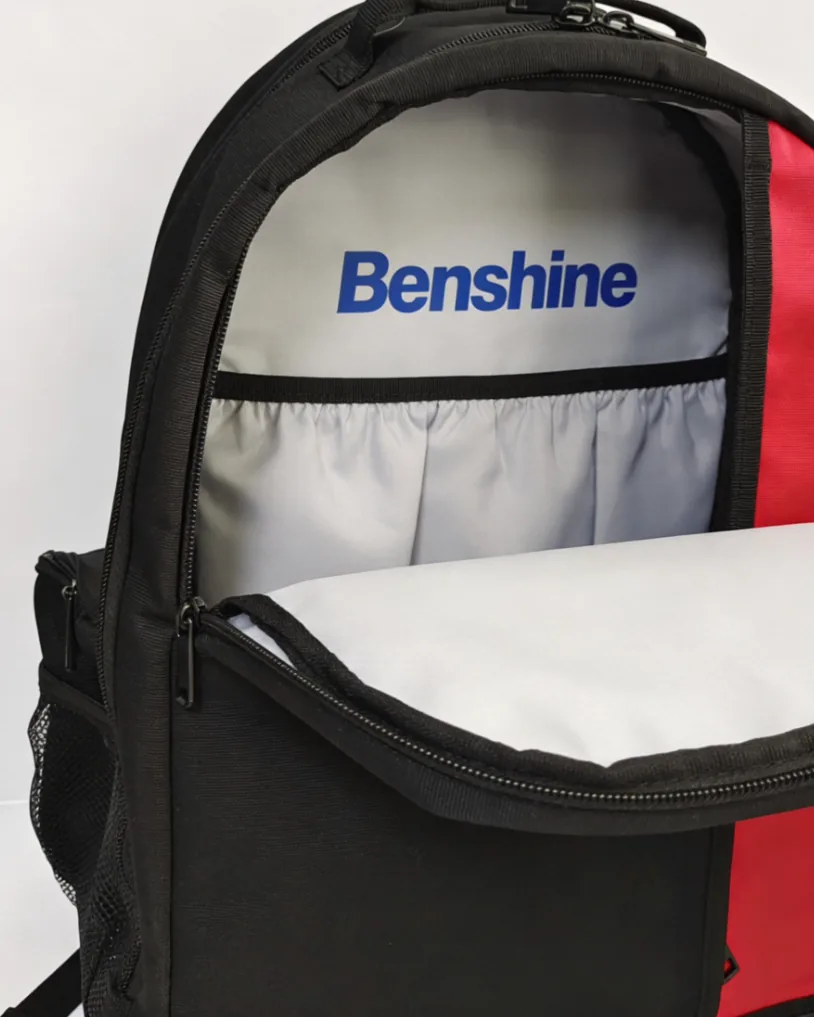
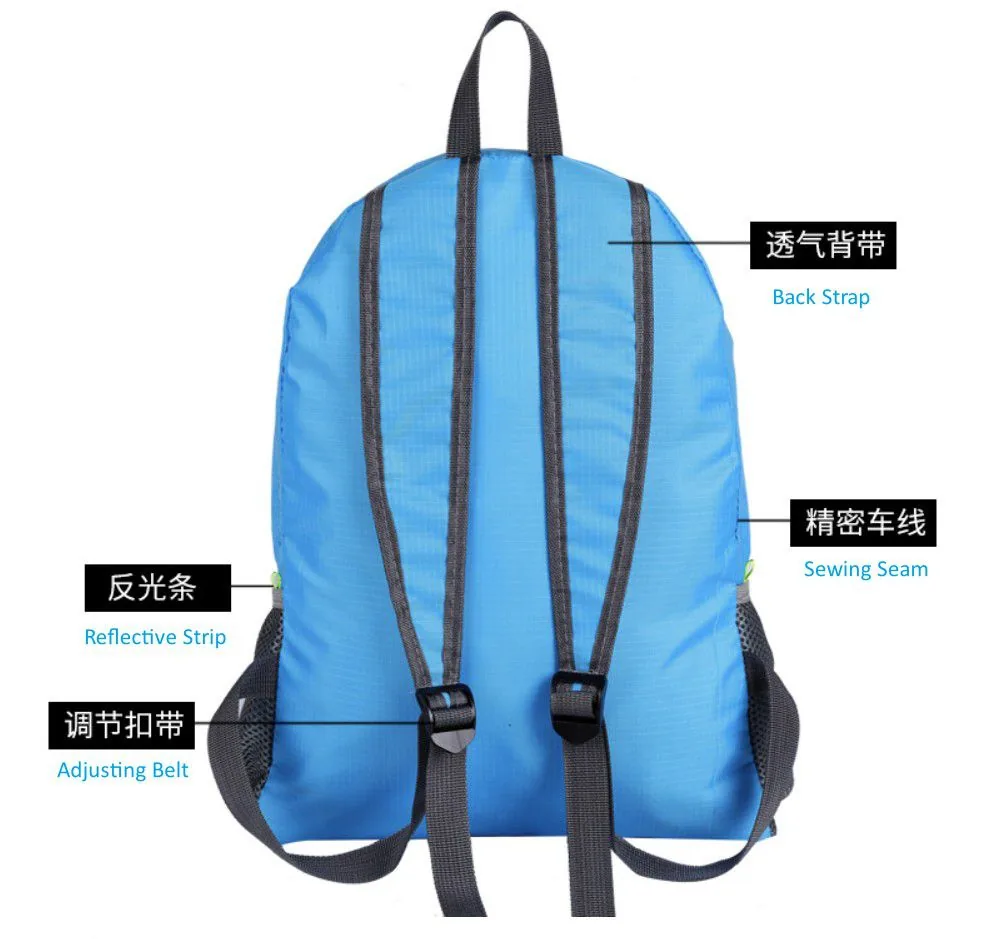
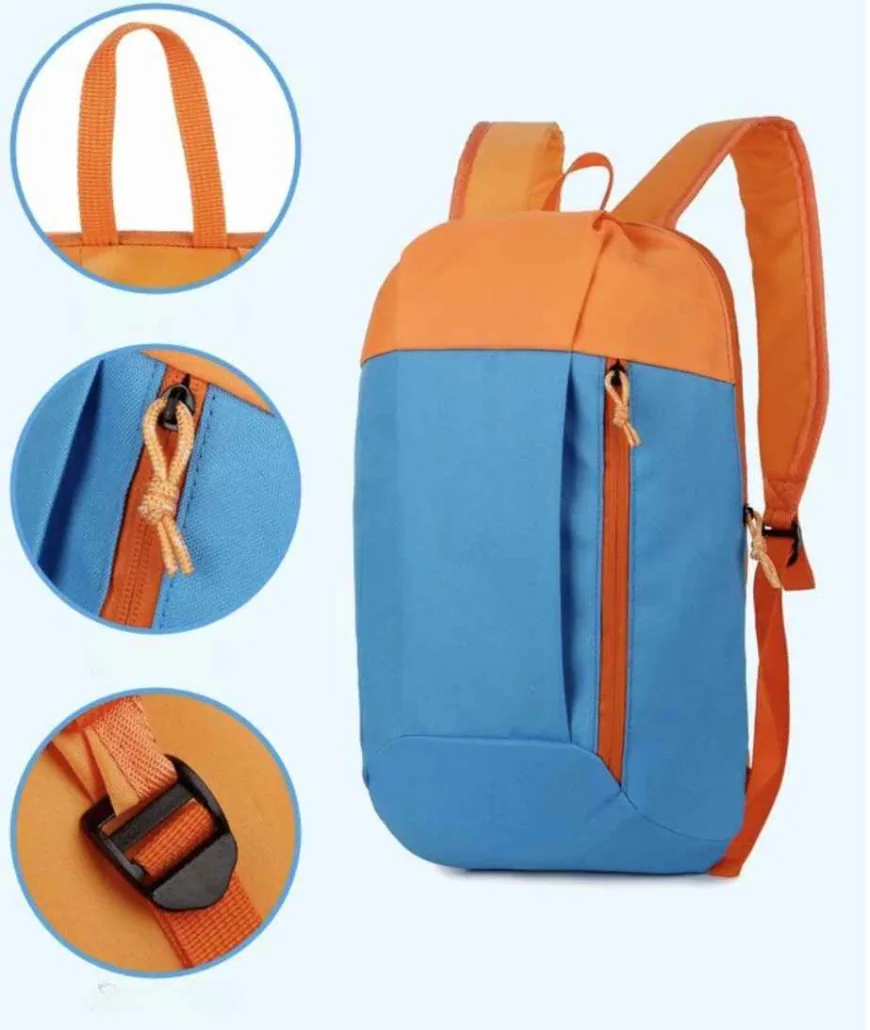
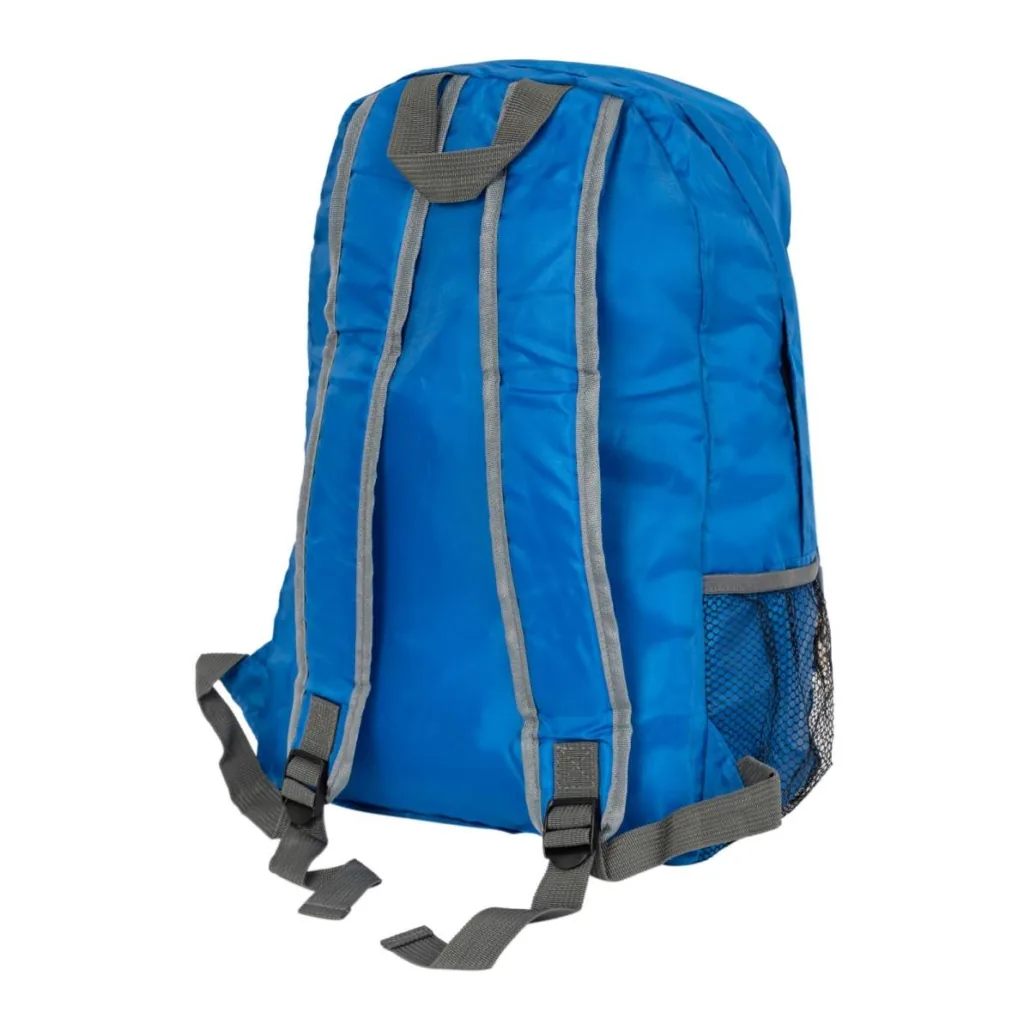
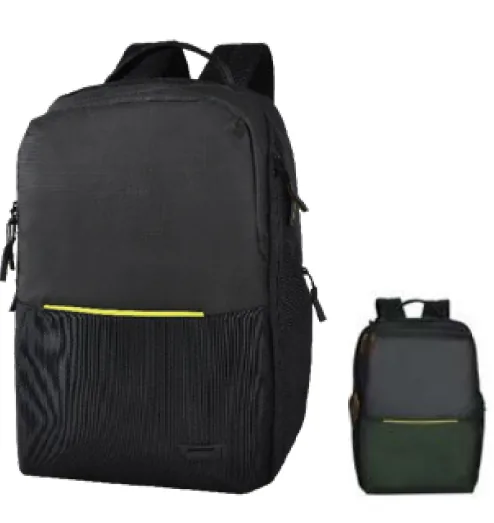
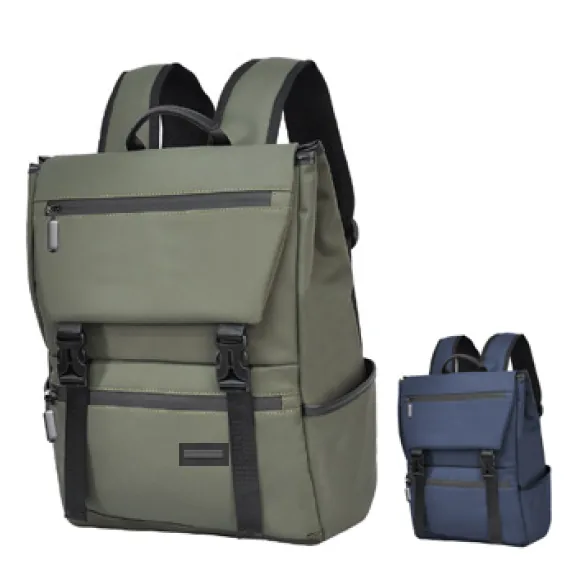
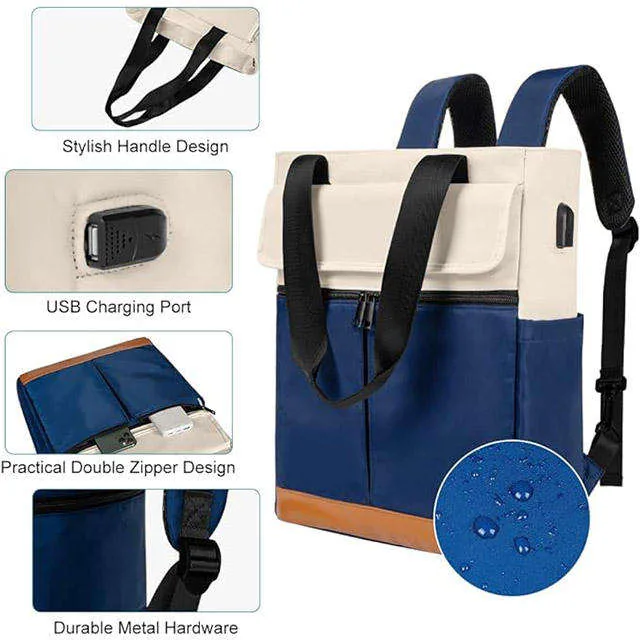
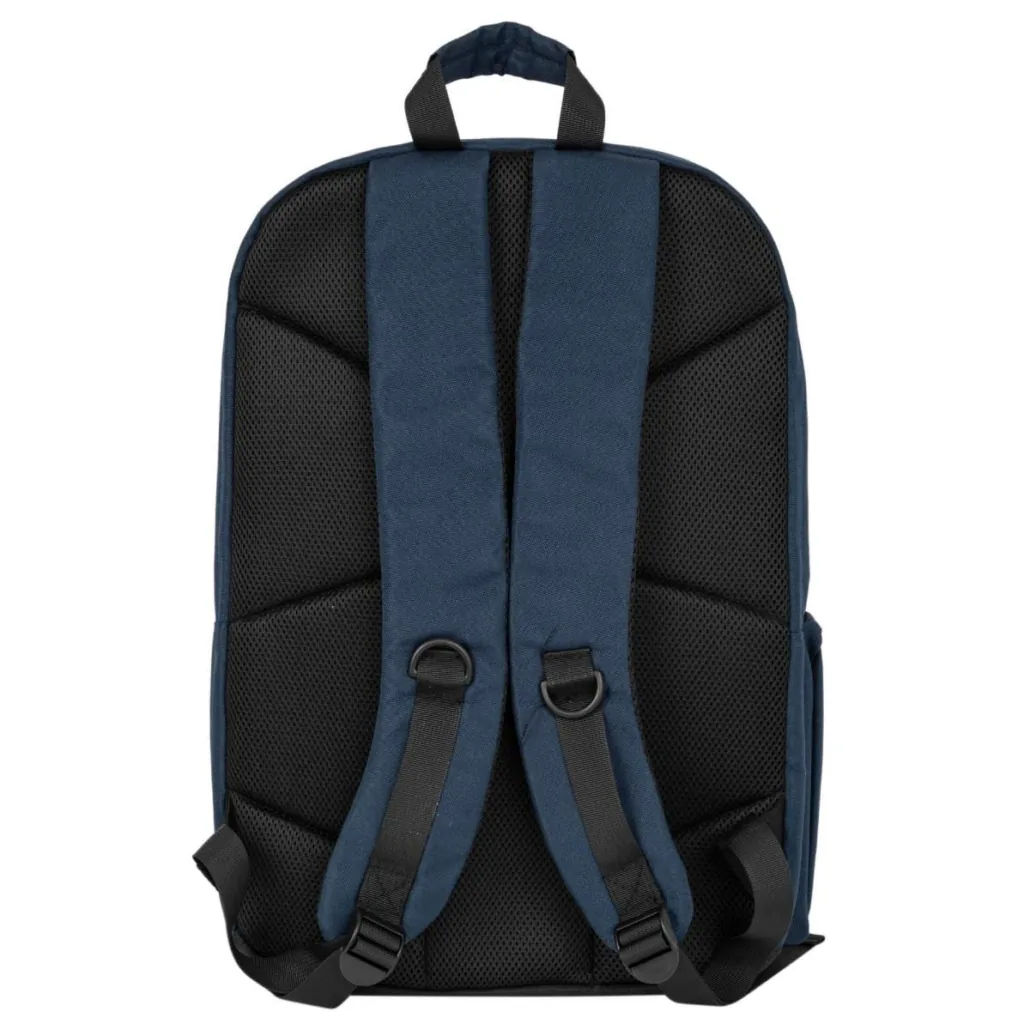
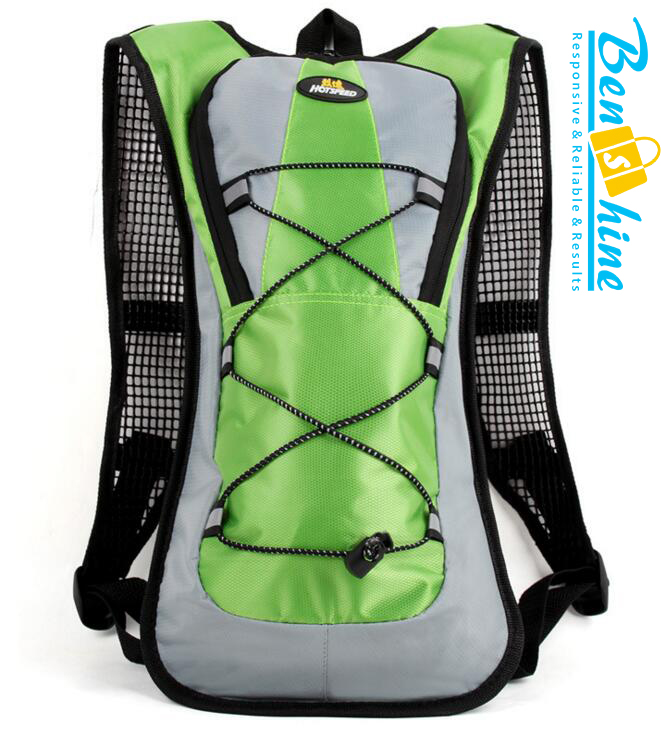
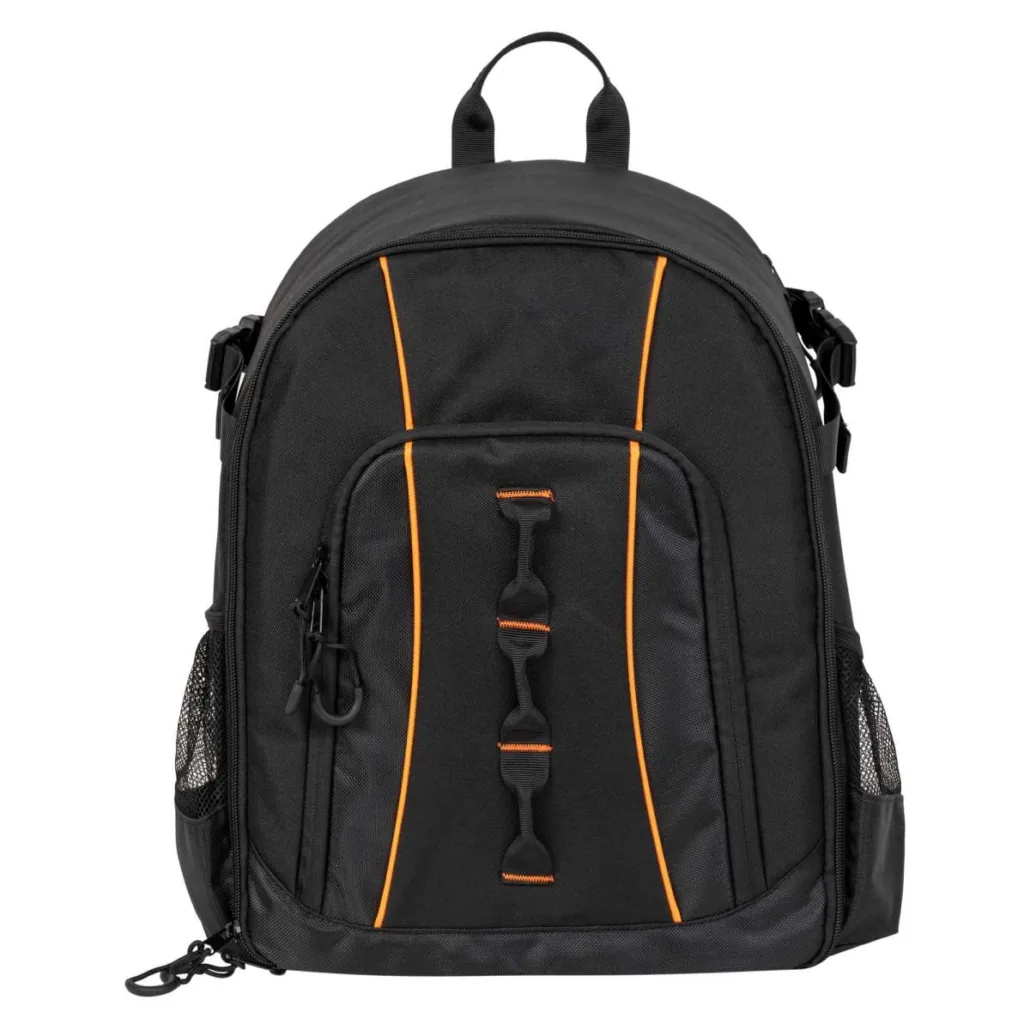
Benshine’s published backpack references show varied starting points, including commuter, foldable, camera, hydration, tool and general-purpose constructions. These are product-development references—not fixed retail inventory or a promise that every material and feature is available under the same commercial terms.
Materials and construction should be specified together
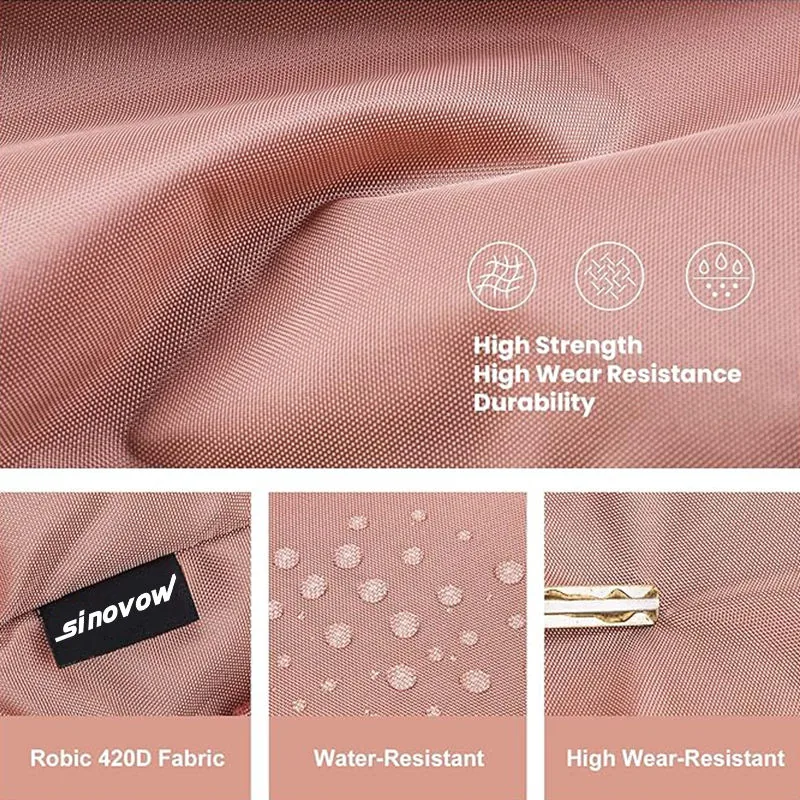
Buyers often begin with “polyester” or “nylon,” but the fibre name is only one part of a usable specification. Fabric weight or denier direction, weave, coating, colour, hand feel, lining, padding and reinforcement should be considered alongside the intended load. The pattern, seam construction, binding and component choices then turn that material direction into a backpack that can be sampled and checked.
For laptop-oriented designs, identify the device size and required protection. For outdoor concepts, define the expected exposure and test requirement before using terms such as water-resistant or waterproof. For every project, critical load points such as shoulder-strap attachments and grab handles should be included in the quality discussion.
Make the first quotation easier to compare
Send the same controlled brief to every supplier you are evaluating. Include the intended use, dimensions, estimated quantity, colour breakdown, fabric direction, compartment diagram, zipper and buckle preferences, logo artwork, label requirements, packaging, destination market and required checks. This helps separate real scope differences from price differences and gives Benshine a clearer basis for a project-specific discussion.
Define OEM, ODM, private-label and wholesale scope
An OEM backpack manufacturer typically works from buyer-controlled requirements, while ODM or private-label language may involve a reference design or a different development scope. These terms are not universal service guarantees. Record who owns the drawings and artwork, which specifications the buyer supplies, what changes are required, and which approvals or tests apply.
Wholesale backpack sourcing also needs a controlled product definition. Quantity alone does not make two quotations comparable; confirm the same dimensions, materials, feature set, colour split, branding and packaging before comparing commercial terms.
Define sports and gym backpacks by their packed load
A sports backpack manufacturer brief should begin with the activity, equipment and movement pattern. A gym backpack factory brief may focus on clothing, shoes, towel, bottle and personal-item separation. Both formats need controlled dimensions, access, carrying and cleaning requirements rather than a generic sports label.
BP10 and other Benshine backpack references provide carrying and organization directions, not proof that one construction suits every activity. Equipment fit, wet-item separation, ventilation, comfort, load and water performance require project-specific sample review and tests.