
Bottle and can cooler carriers developed around the beverage set

Bottle Cooler Bag Factory in China

Direct answer: Benshine Bags is a bottle cooler bag factory in China with tall can-cooler, neoprene bottle and multi-bottle carrying references. Buyers should define container profiles and count, packed weight, starting and ambient temperatures, duration, insulation and lining, condensation, carrying, branding, cleaning and validation method.

Beverage and wine brandsRetail and hospitality buyersOutdoor and event programmesPromotional distributors
Discuss on WhatsAppEmail Sales

Begin with the exact container set

Bottle and can diameters, heights and closures vary. Provide the physical beverage set or controlled drawings, then define count, orientation, dividers, ice packs and access before setting the bag dimensions.

NCB13, NEO04 and NEO05 provide tall cooler, multipack and single-bottle reference directions. Final thermal, leakage, carrying, price, quantity and timing claims remain project-specific.

Turn cooling language into measurable conditions

Record starting temperatures, ambient profile, duration, openings and acceptable results. This separates a visual cooler-bag format from a verified thermal result.

Test the real beverage load

Container weight and condensation affect the base, seams, handles and user experience. Evaluate the complete loaded sample using the intended route and buyer-defined tests.
Application-led design

Choose the construction by how the bag will be used

An application is a starting point for specification—not a substitute for dimensions, materials, components and measurable requirements.

Single-bottle cooler bags

Develop around the bottle profile, opening, shoulder or hand carrying and condensation.

Can cooler carriers

Map can size and count, orientation, dividers, ice packs, opening and loaded weight.

Wine cooler bags

Control bottle height and diameter, base, separation, closure, presentation and thermal target.

Promotional beverage carriers

Coordinate campaign use, included beverages, branding, labels, unit packing and distribution.

Benshine product references

Explore bottle cooler bags construction options

Select a reference to review the available source details, then identify what must change for your product.

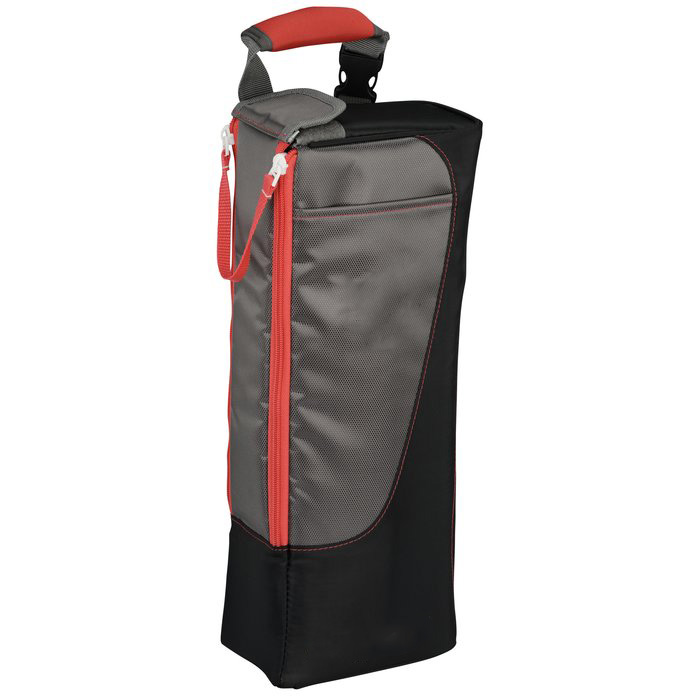
Tall can cooler bag reference NCB13

Reference NCB13

Tall Can Cooler Bag NCB13

A 420D polyester tall cooler reference with zip opening and top handle.

View reference →
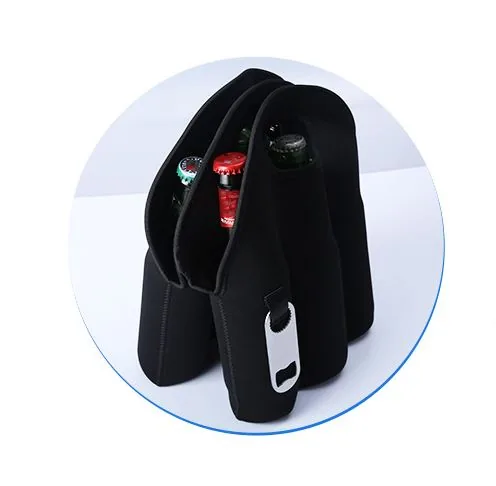
Neoprene multi-bottle bag reference NEO04

Reference NEO04

Neoprene Multi-Bottle Bag NEO04

A six-pack and bottle-carrier reference for separation, base, handles and material discussion.

View reference →
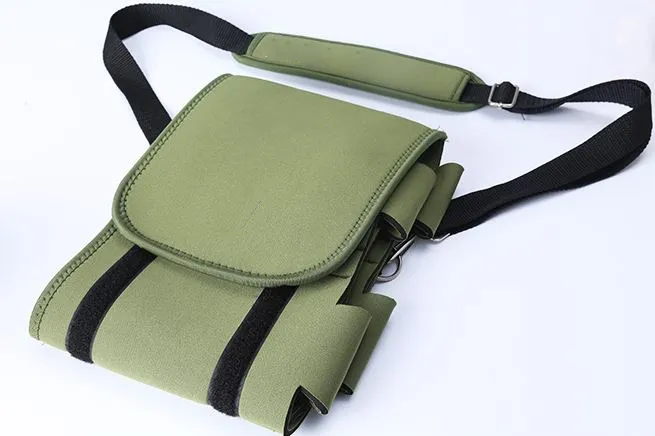
Neoprene bottle shoulder bag reference NEO05

Reference NEO05

Neoprene Bottle Shoulder Bag NEO05

A single-bottle shoulder-carried reference for profile fit and portable beverage programmes.

View reference →

RFQ specification checklist

Decisions to control before sampling

A complete brief helps Benshine review feasibility and gives buyers a clearer basis for comparing quotations and samples.

DecisionInformation to provideWhy it matters
Container setBottle or can drawings, count, orientation, total weight, dividers and ice-pack positionContainer geometry controls footprint, height, closure, stability and load distribution.
Thermal targetStarting temperatures, ambient profile, duration, openings, payload and acceptance criteriaCooler terminology alone does not establish a temperature-duration result.
Construction and condensationInsulation, lining, seams, leakage conditions, condensation management and cleaningThermal, leak and cleaning performance are separate requirements.
Carrying systemHandles, shoulder strap, grip, attachment, walking distance, packed load and load testBeverage loads require the full bag and attachments to be reviewed together.
Branding and marketArtwork, colours, labels, food-contact scope, claims, packaging and destination marketClaims and labels need evidence appropriate to the exact construction and sales market.

From reference to production brief

A controlled sourcing path

01

Define containers and journey

Send the beverage set, dimensions, weight, temperature profile, duration, handling and market.

02

Control the construction

Record layout, insulation, lining, seams, openings, carrying, artwork, tests and packing.

03

Review a loaded thermal sample

Check fit, stability, access, carrying, condensation and the agreed time-temperature protocol.

04

Confirm production details

Approve the sample, claim evidence, quality points, packaging and commercial terms.

Buyer questions

Frequently asked questions about bottle cooler bags

What details are needed for a bottle cooler bag?

Provide container drawings or samples, count, orientation, packed weight, temperature profile, duration, insulation, lining, carrying, artwork, cleaning, tests, packaging, quantity, market and timing.

How long will a bottle cooler bag keep drinks cold?

No universal duration applies. Define payload, starting and ambient temperatures, openings, ice packs and acceptance criteria, then test the approved construction.

Can one bag carry multiple wine or beverage bottles?

Yes as a development direction. Container separation, base support, handles, closure and load testing must be defined for the exact bottle set.

Are neoprene bottle sleeves automatically waterproof?

No. Material layers, seams and openings affect water behavior. Waterproof or leakproof wording requires defined conditions and evidence.

EmailWhatsApp