
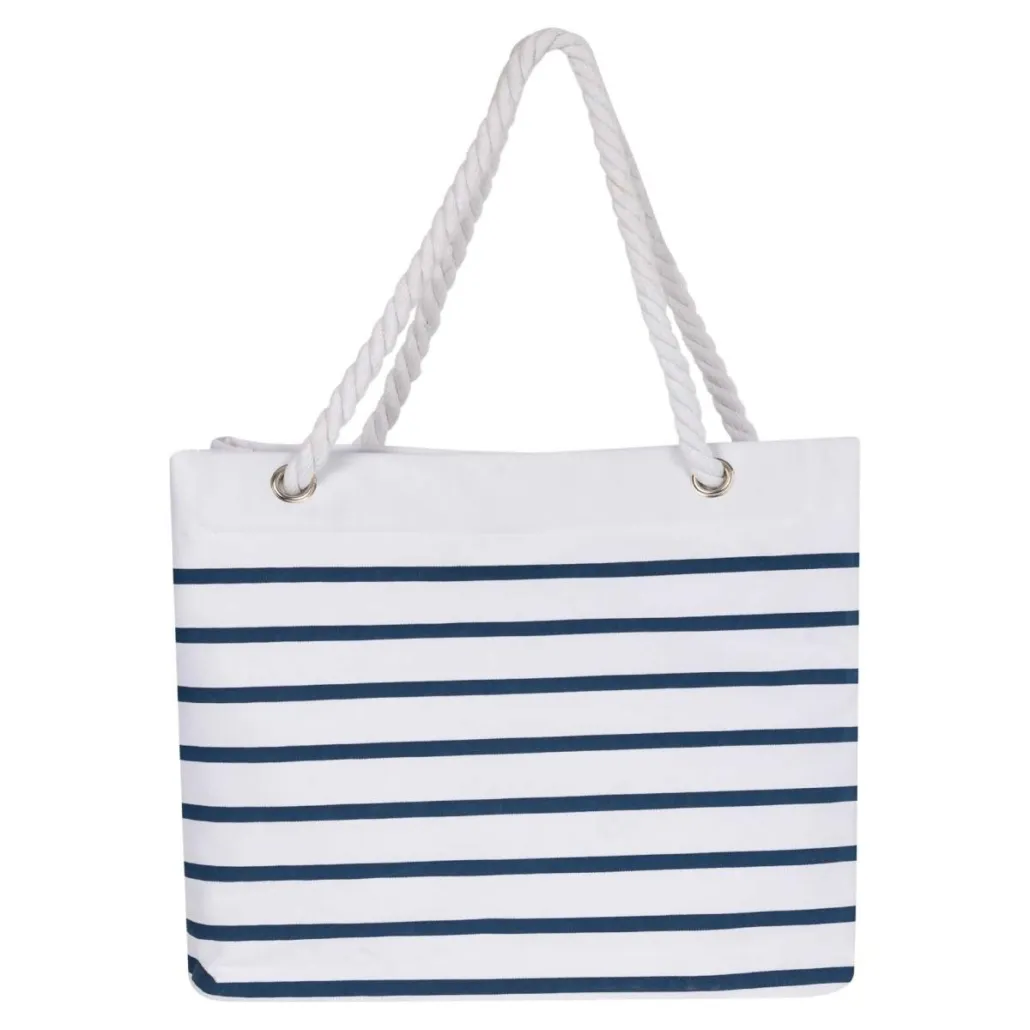
Custom bag MOQ and manufacturing cost are outputs of a defined project, not fixed numbers that apply to every bag. The practical minimum may be controlled by fabric, colour, components, decoration, packaging or production setup, while cost depends on material consumption, labour content, development, quality controls and commercial terms.
Direct answer: To obtain a comparable custom bag quotation, define the bag’s dimensions, construction, materials, components, branding, packaging, variants, estimated quantity, destination market and required evidence. Ask the supplier which input controls the MOQ and which assumptions control price and timing. A general “low MOQ” or unit-price statement is not reliable until those variables are fixed.
MOQ is not one number
Several minimums can exist inside one project. The highest or least flexible commitment may become the practical order minimum.
| MOQ layer | What may create the minimum | Questions for the quotation |
|---|---|---|
| Finished-product production lot | Pattern setup, cutting plan, line change, operator preparation and order complexity | What quantity applies per style, size or construction? |
| Fabric and lining | Mill or distributor roll, colour, coating, lamination or dye-lot commitments | Is the material stocked, made to order or shared with another approved programme? |
| Foam and reinforcement | Sheet, thickness, density, lamination or cutting-yield requirements | Does the proposed build require a dedicated material purchase? |
| Components | Zippers, buckles, webbing, cord, custom pulls, labels or molded parts | Which parts are standard, which are custom and what minimum applies to each? |
| Branding and decoration | Screen, embroidery, transfer, plate, artwork or colour setup | Does the minimum apply per artwork, placement, colour or bag variant? |
| Packaging | Printed polybags, inserts, hangtags, retail boxes, cartons or labels | Is the commitment per design, language, market or shipment? |
Ask the supplier to identify the controlling MOQ, not only the final number. That reveals whether a design change can reduce the commitment without weakening the product brief.
What determines custom bag manufacturing cost?
Material price is only one part of the quotation. Use a complete cost structure when comparing suppliers.
| Cost area | Typical inputs | Why two quotations may differ |
|---|---|---|
| Product development | Pattern work, prototypes, revisions, tooling and technical preparation | Different assumptions about included sample rounds or ownership of development assets |
| Main materials | Outer, lining, coating, insulation, padding and reinforcement | Grade, composition, width, usable yield, colour and supplier source may differ |
| Components | Zippers, sliders, buckles, webbing, handles, labels and special hardware | Standard versus custom parts, finish, dimensions and testing requirements |
| Labour and construction | Cutting, pocket count, seam length, binding, reinforcement, assembly and finishing | A visually similar bag can require a different operation sequence or skill level |
| Branding | Printing, embroidery, transfer, patches, labels and placement | Setup, colour count, coverage, registration, handling and reject risk vary by method |
| Quality and evidence | Incoming checks, in-line checks, functional checks, inspection, tests and documents | The required stage, method, sample size and acceptance criteria may not be identical |
| Packaging | Individual packing, inserts, retail presentation, cartons and shipping marks | Materials, printed versions, packing labour and carton configuration may differ |
| Commercial and delivery terms | Quantity, payment, delivery term, destination, timing and validity | A unit price may exclude freight, duty, testing, tooling or other project costs |
This table does not assign universal percentages because the balance changes by product and order.
1. Material selection and cutting yield
Fabric composition, grade, coating, width, colour, finish and purchase source affect both minimum commitment and cost. The finished bag’s pattern also determines how efficiently the material can be cut. Pockets, gussets, directional prints and colour blocking may reduce usable yield.
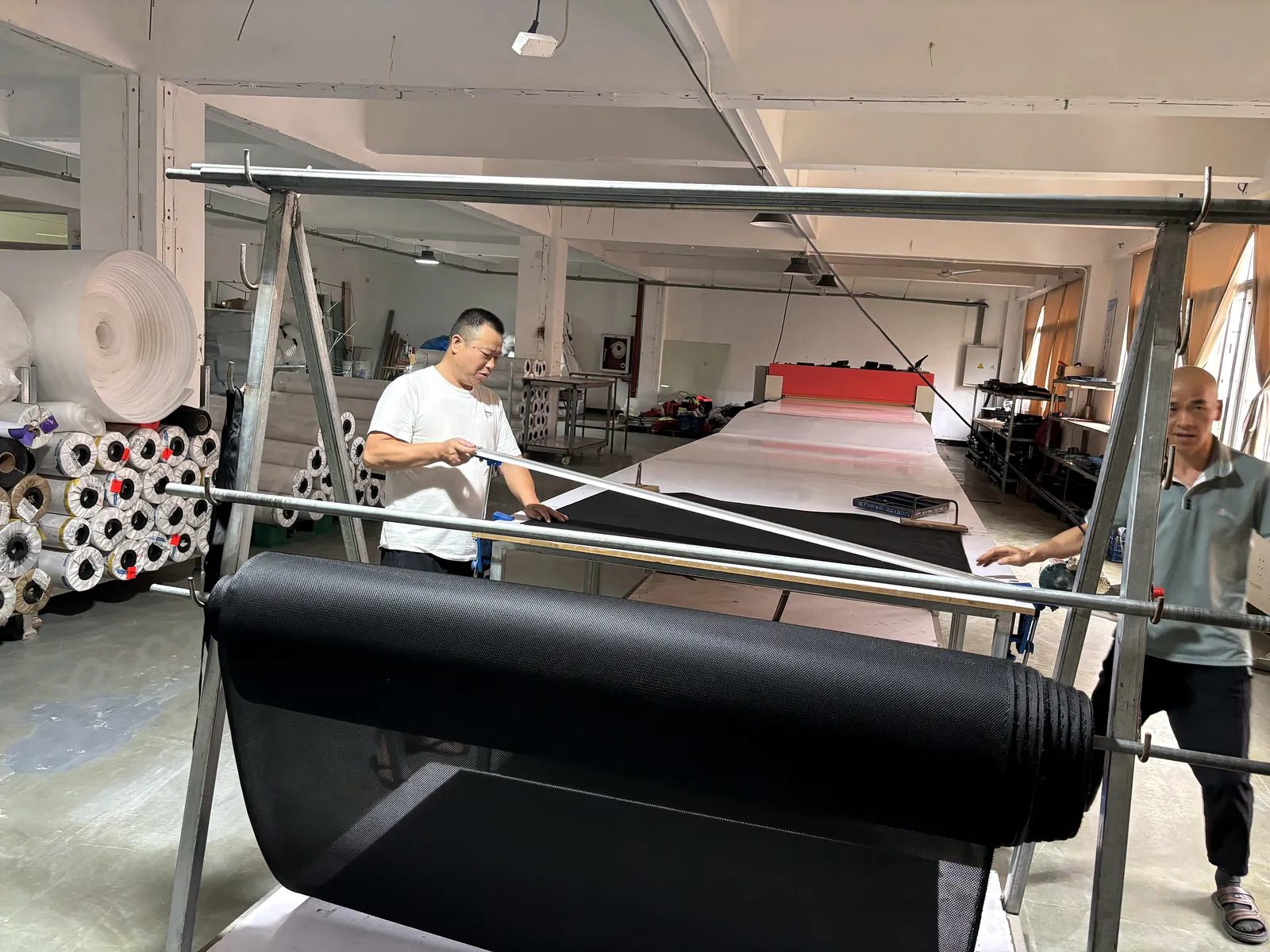
Ask the quotation to identify the assumed material specification. “Polyester,” “canvas” or “foam” alone is usually not enough to compare alternatives.
2. Colour, size and style splits
An order total can be misleading when it is divided among many variants. Each fabric colour, print, size, logo, language pack or construction may create a smaller purchasing and production lot.
For example, one total quantity across several colourways may still require separate fabric commitments and line changes. Do not assume that all variants can be combined for every minimum. Ask what applies per material colour, artwork, packaging version and finished style.
3. Components and custom hardware
Zippers, buckles, webbing, cord, hook-and-loop, molded parts and labels can carry independent minimums. Dimensions, colour, finish, logo tooling and performance requirements may change both sourcing and test needs.
If a custom component drives the MOQ, discuss whether a standard component could meet the intended use and brand direction. Do not substitute a lower-cost part without updating the specification and approval sample.
4. Construction and labour content
Cost follows operations, not only external size. Compartments, curved seams, binding, reinforcement, padding, structured panels, concealed openings and detailed finishing add handling and inspection points.
Compare operation-driving details such as:
- number and type of pockets;
- zipper lengths and opening construction;
- seam finishing and binding;
- foam, board or reinforcement placement;
- straps, handles and load-path attachment;
- lining installation and turning method;
- printed-panel registration or pattern matching;
- required appearance and workmanship criteria.
A simpler-looking bag is not always cheaper if its construction creates difficult handling or poor cutting yield.
5. Logo and decoration method
Screen printing, heat transfer, embroidery, woven labels, patches and custom hardware have different setup, artwork and production requirements. The appropriate method depends on the artwork, substrate, coverage, colour, placement, surface geometry and expected use.
Ask whether the quotation includes artwork preparation, setup, sample application, colour matching and any special handling. Performance such as adhesion, abrasion or colourfastness should be tied to an agreed method where required—not assumed from the decoration name.
Compare screen printing, heat transfer and embroidery.
6. Sampling and development cost
A sample charge may include pattern development, materials, custom decoration, component sourcing, assembly and shipping. One sample round may not be enough when fit, materials or construction are still changing.
Before development, agree:
- the purpose of each sample stage;
- which materials and components will be representative;
- which deviations are allowed for the sample;
- how many revisions are included or separately charged;
- who owns patterns, tooling and development files;
- whether charges are refundable, creditable or non-refundable;
- who pays freight, duty and any third-party testing.
Do not infer Benshine’s sample charges or policy from this guide. They are confirmed for the project.
7. Quality controls, tests and documents
Quality and evidence requirements affect preparation, inspection time, sample handling and external services. A generic “inspection included” statement is not enough for comparison.
Define the required checkpoints, method, tolerance, sample size, acceptance criteria and record. If a report is required, identify the material or finished sample, standard, destination-market need and timing.
Review the custom bag quality-control framework and Benshine’s scoped material and packaging test documents.
8. Packaging and shipment configuration
Individual polybags, tissue, inserts, hangtags, retail boxes, carton size, carton quantity and shipping marks affect material commitments, packing labour and freight volume. Different languages or market versions may create separate print minimums.
Confirm whether the quoted price includes individual packaging, master cartons, labels, barcodes, inserts, palletization or special packing tests. Packaging evidence should be matched to the selected components and destination requirement.
9. Quantity and unit-cost behaviour
Some development and setup work can be distributed across more units, and material purchasing may have quantity tiers. That does not mean unit price always falls predictably as quantity rises.
Large or urgent orders may introduce different material sources, multiple production lots, overtime, storage, split shipments, financing or additional inspections. Request defined quantity scenarios using the same product and commercial assumptions rather than asking for an abstract volume discount.
10. Timing and production allocation
Lead time is affected by specification readiness, sample approval, material and component availability, decoration, testing, packaging, production allocation, inspection and delivery method. It should be separated into stages instead of represented as one unconditional promise.
Ask for the assumptions behind:
- development and sample preparation;
- buyer review and revision time;
- material and component procurement;
- production after approval;
- inspection, packing and shipment readiness;
- freight or transit estimates under the selected delivery term.
Any material, artwork, quantity or approval change can affect the schedule.
How to discuss a smaller first order
Start by asking what controls the minimum. Depending on feasibility and the product brief, possible directions include:
- selecting an available material or approved colour;
- using standard components instead of custom molded or colour-matched parts;
- reducing the number of colour, size or artwork variants;
- choosing a decoration method with a different setup requirement;
- using common packaging before commissioning fully printed retail packaging;
- keeping one construction across variants;
- separating prototype learning from a later commercial production decision.
These are discussion paths, not guaranteed low-MOQ options. A change is acceptable only if it still satisfies intended use, brand, quality and destination-market requirements.
Build a comparable custom bag RFQ
Send every supplier the same information:
- bag type, intended contents and use environment;
- finished dimensions and tolerances;
- outer, lining, padding, reinforcement and coating requirements;
- pockets, closures, carrying system and construction details;
- component and hardware directions;
- logo artwork, colours, method and placement;
- labels, individual packaging, carton and shipping marks;
- quantity per style, colour, size, artwork and market version;
- sample stages, quality controls, tests and documents;
- destination, delivery term, target timing and quotation currency;
- unknown decisions that the supplier must list as assumptions;
- requested price-break scenarios using the same specification.
Compare quotation inclusions and exclusions
Do not compare only the headline unit price. Record whether each quotation includes development, samples, tooling, custom components, testing, inspection, individual packing, cartons, freight, insurance, duty, tax or other services.
| Comparison question | Why it matters |
|---|---|
| Which specification revision is priced? | Prevents an earlier or simplified design from appearing cheaper |
| What quantity and variant split applies? | Reveals colour, size, artwork and packaging minimums |
| What materials and component sources are assumed? | Helps identify non-equivalent quality or availability assumptions |
| Which sample, test and inspection costs are included? | Prevents required evidence from appearing later as an unexpected charge |
| Which delivery term and destination apply? | Separates factory price from freight, insurance, duty and tax exposure |
| How long is the quotation valid? | Material, currency, capacity and logistics conditions can change |
| What is excluded or provisional? | Makes unresolved decisions visible before supplier selection |
Benshine quotation scope
Benshine reviews custom bag enquiries against the proposed specification, materials, components, branding, packaging, variants, quantity, destination market, evidence requirements and target timing. The resulting MOQ, price and schedule depend on that controlled scope and current sourcing and production conditions.
This page does not publish a Benshine-wide low-MOQ promise, price list, volume discount or lead-time commitment. Send a complete brief so the controlling minimums, assumptions, inclusions and exclusions can be identified for the project.
Continue commercial planning
- Review Benshine’s custom bag manufacturing workflow
- Compare OEM, ODM, private-label and contract manufacturing
- Learn how to compare a reliable China bag manufacturer
- Browse custom bag product categories
- Send Benshine a controlled project enquiry
Quick answers
What determines the MOQ for a custom bag?
The practical MOQ may be driven by the finished-product production lot, fabric or colour purchasing minimums, custom components, branding setup, packaging commitments or the number of variants. The controlling factor must be identified for the specific design.
Why can two custom bags have different MOQs?
Different fabrics, colours, coatings, hardware, printing methods, construction, packaging and supplier commitments create different minimum purchasing and setup conditions, even when the bags look similar.
Can a buyer receive an accurate custom bag price from a reference photo?
A photo can establish direction, but a comparable quotation requires dimensions, materials, construction, components, branding, packaging, quantity, destination, quality controls and evidence requirements. Unknown fields should be stated as assumptions.
How can a buyer discuss a smaller first custom bag order?
Ask which input controls the MOQ. Depending on feasibility, the project might use an available material colour, standard component, fewer variants, common packaging or a simpler decoration method. Any change must still meet the intended use and approved brand specification.
Does a higher order quantity always reduce the custom bag unit price?
Not always. Some setup costs may be spread across more units, but material tiers, quality requirements, overtime, storage, financing, shipping and split deliveries can change the result. Compare a defined quantity scenario rather than assuming a universal volume discount.
Does Benshine publish a standard MOQ, price list or lead time for all bags?
No. Benshine confirms MOQ, price and timing against the current product specification, variants, material and component conditions, packaging, evidence requirements, delivery terms and production allocation.