
Start with an equipment audit
An equipment bag is a mobile storage system, not an empty shell. List every item, its dimensions, weight, vulnerability and access frequency. This creates a packing map that can guide the footprint, opening, pockets, dividers and carrying method.
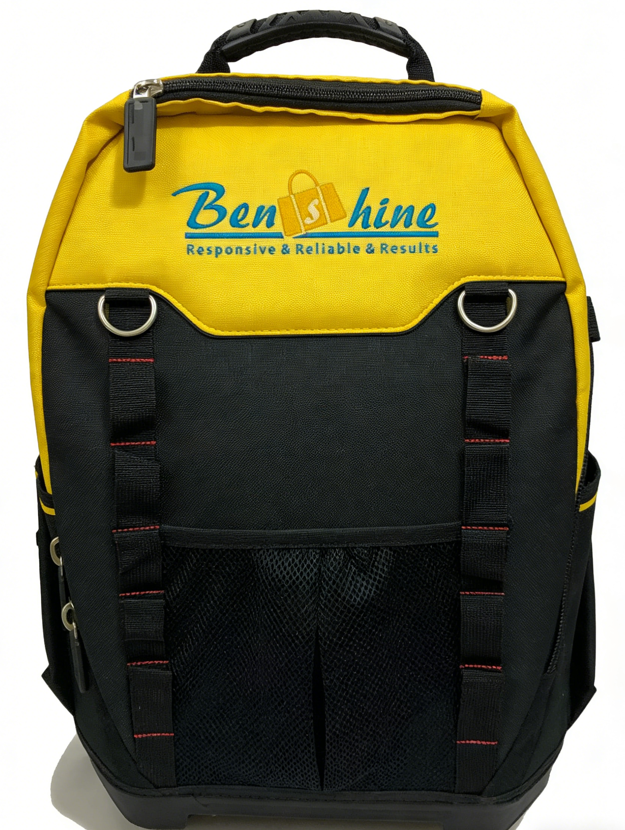
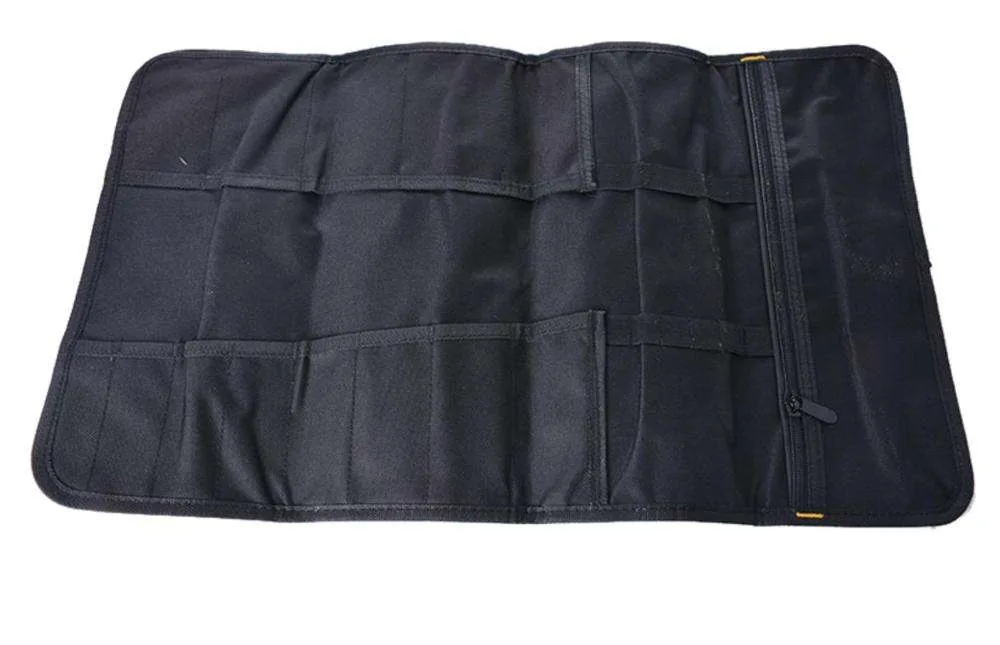
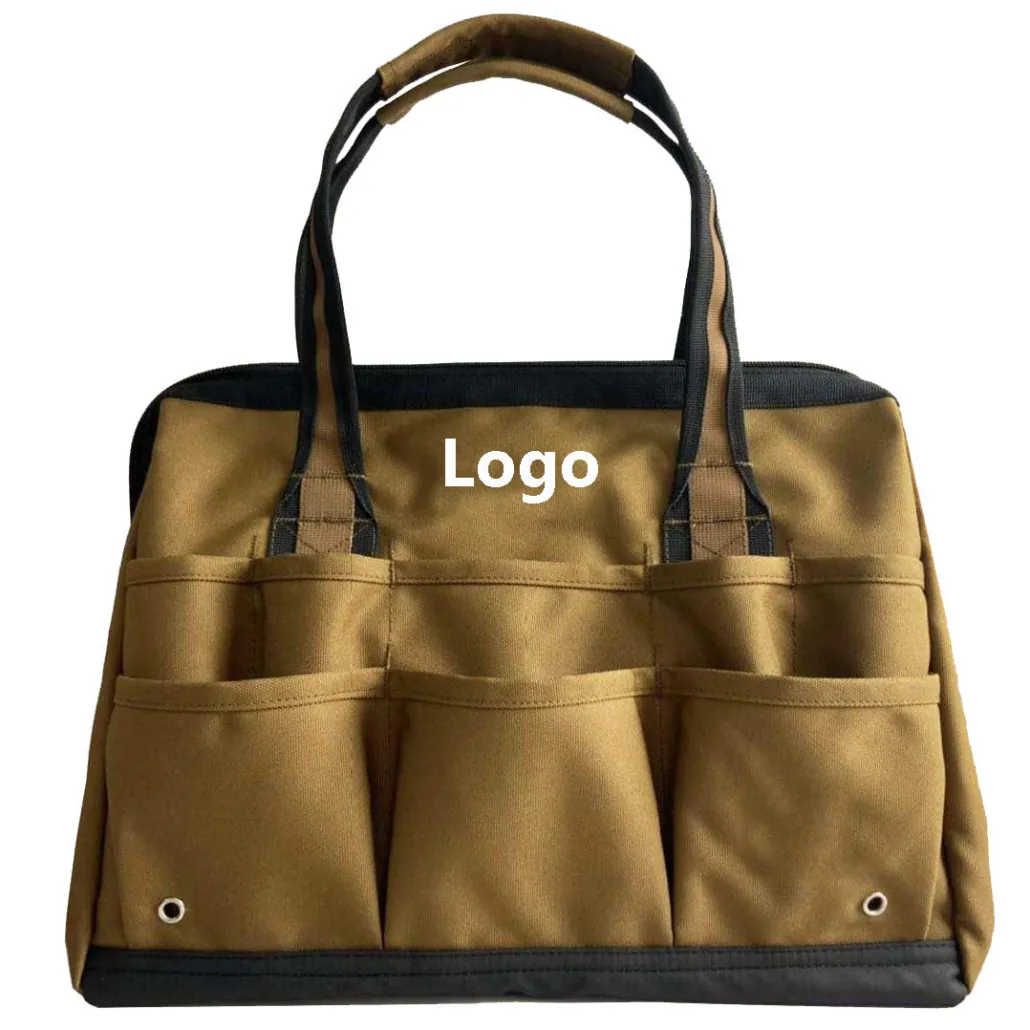
Benshine’s published backpack, roll and enclosed tool-bag references show different construction directions. They do not establish fit, protection, resistance, compliance, price, quantity or timing for a new kit; those points require project review.
Separate organization from protection
Pockets and loops help locate equipment, while padding, stiffeners, base construction and retention address different handling risks. Define both functions and approve them with the real kit or controlled surrogates.
Validate the complete loaded bag
Exterior fabric alone does not prove durability or water performance. Load the intended equipment, exercise openings and carrying points, and use agreed methods for drop, abrasion, water exposure or other relevant checks.
Map utility, parts and hardware bags to an inventory
A utility bag manufacturer, parts bag supplier or hardware bag factory brief should begin with an itemized kit. Small fasteners, long tools, sharp edges and oily components create different retention, lining, access and cleaning needs. ES0280 and ES0281 provide roll-up and enclosed construction directions without establishing suitability for an unspecified kit.
Use labelled pockets or colour coding only after the workflow is understood, and test the fully loaded sample for retention, seam and handle loads, closure, abrasion and any required contamination controls.