Design around a real tool inventory
Tool bags are functional storage systems. The most useful brief begins with an inventory: tool dimensions, packed weight, sharp or sensitive edges, access frequency and the order in which items are used. This information gives Benshine a practical basis for discussing the footprint, pocket layout and carrying method.
Published tool-bag references can help define a direction, but they do not prove fit for a new tool set or environment. Final construction, performance requirements and commercial terms remain project-specific.
Reinforce the construction where the load demands it
Base panels, handles, shoulder-strap anchors, belt interfaces and heavily loaded pockets may need different construction decisions. Exterior fabric is only one part of the system; lining, stiffeners, padding, webbing, binding, seams and hardware also influence the finished bag.
Make sample review measurable
A useful sample review includes the intended tools. Check fit, access, closure, balance, stress points and whether tools remain in their assigned positions. Record revisions against the specification so later samples and production checks use the same reference.
Match the tool bag format to the technician workflow
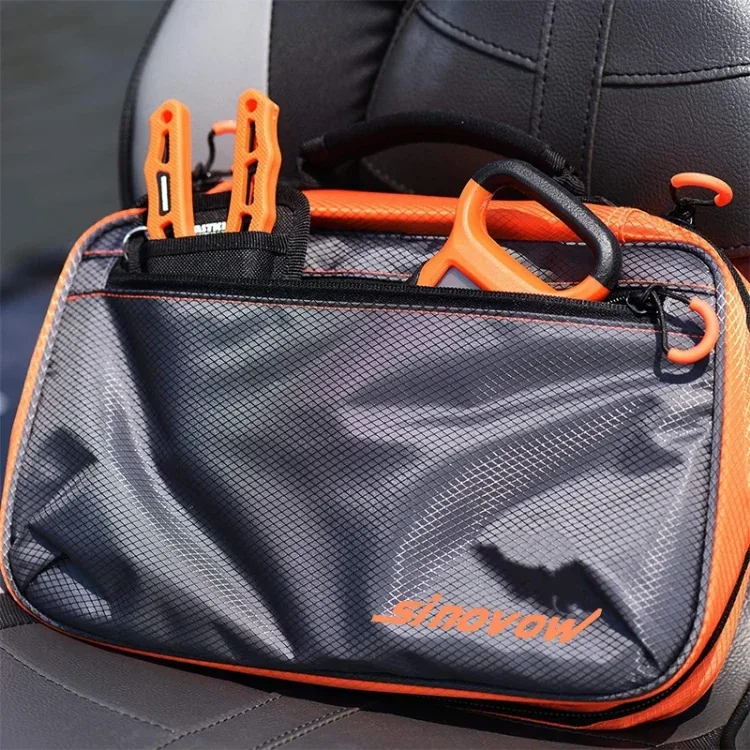
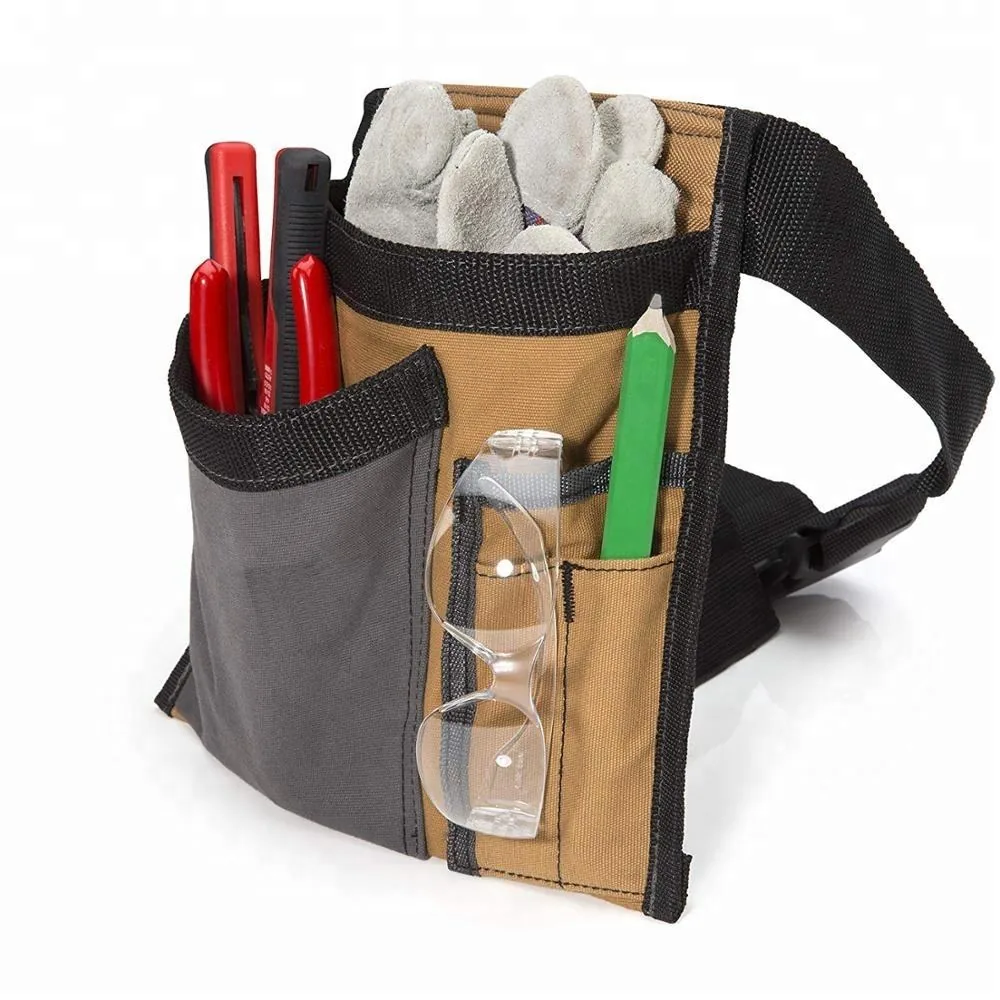
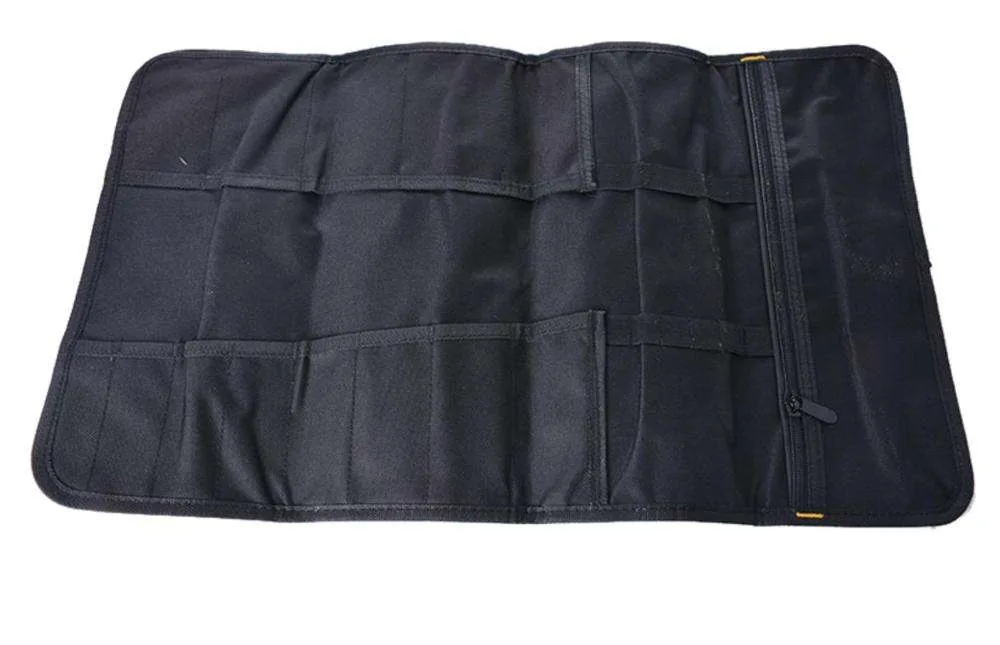
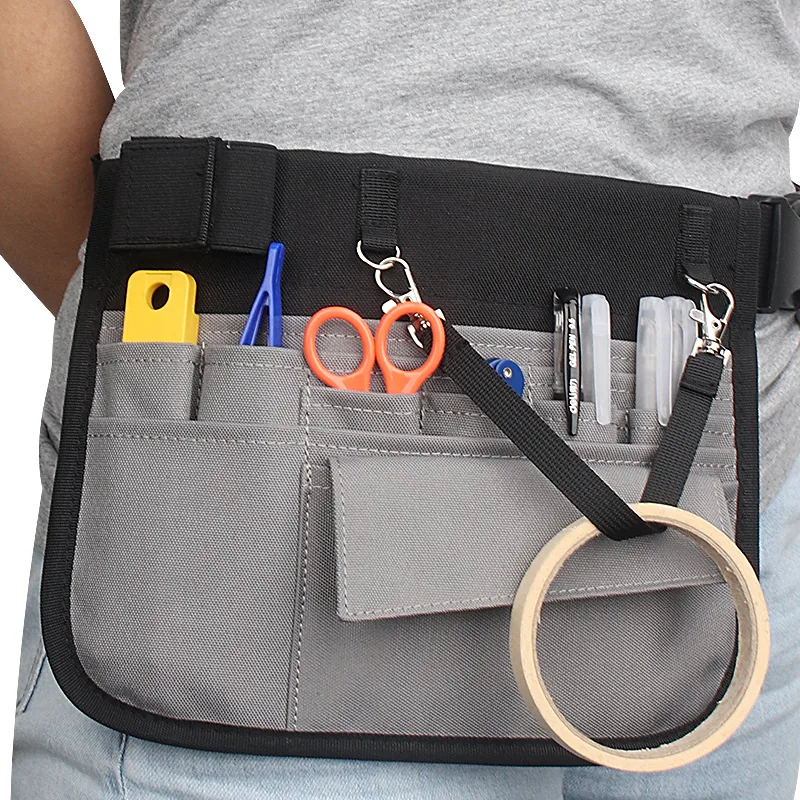
An electrician tool bag, technician bag, tool case and tool pouch solve different access and carrying problems. Define whether the user works from an open bag, wears a compact pouch, unrolls an organizer or transports a closed kit. The format should follow the tool inventory and work sequence rather than a generic category name.
OEM tool bag manufacturer and wholesale tool bag supplier enquiries still need the same controlled product definition. Ownership of drawings, fit responsibility, load tests, logo files, labels, packaging and approvals should be assigned before quotations are compared.