
Custom emergency organizers developed around the controlled kit list

First Aid Bag Manufacturer in China

Direct answer: Benshine Bags is a first aid bag manufacturer in China with multiple medical and emergency organizer references. Buyers should define the kit contents, item dimensions, access order, user, transport conditions, identification, materials, cleaning, labels, packaging and applicable tests. A bag reference does not by itself establish first aid kit completeness, regulatory compliance or clinical suitability.

First aid kit assemblersSafety and emergency product brandsInstitutional procurement teamsMedical equipment distributors
Discuss on WhatsAppEmail Sales

Begin with the contents and retrieval sequence

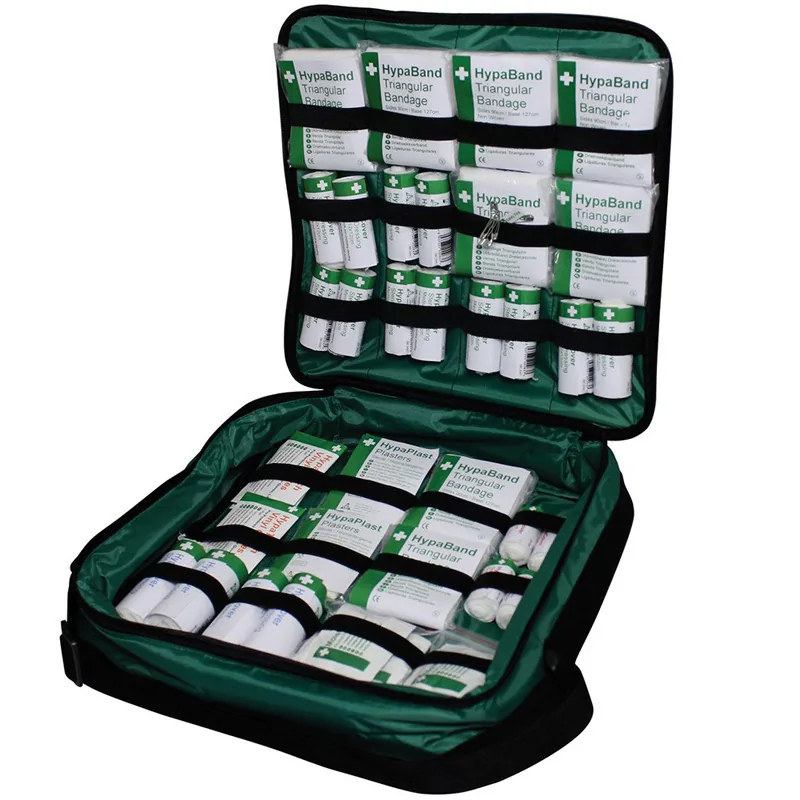
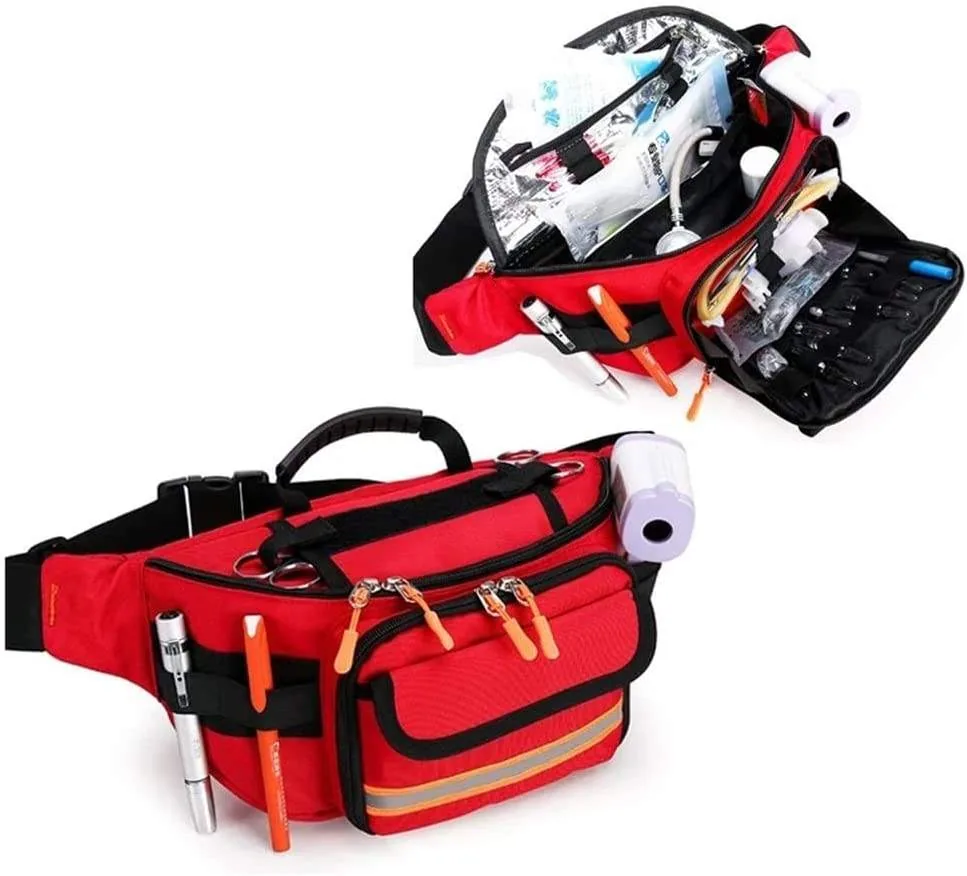
First aid bags are organizers around a controlled kit, not generic red containers. Record every item, its packaging and access priority. This lets Benshine discuss compartments, loops, pockets, labels and openings against the actual workflow.

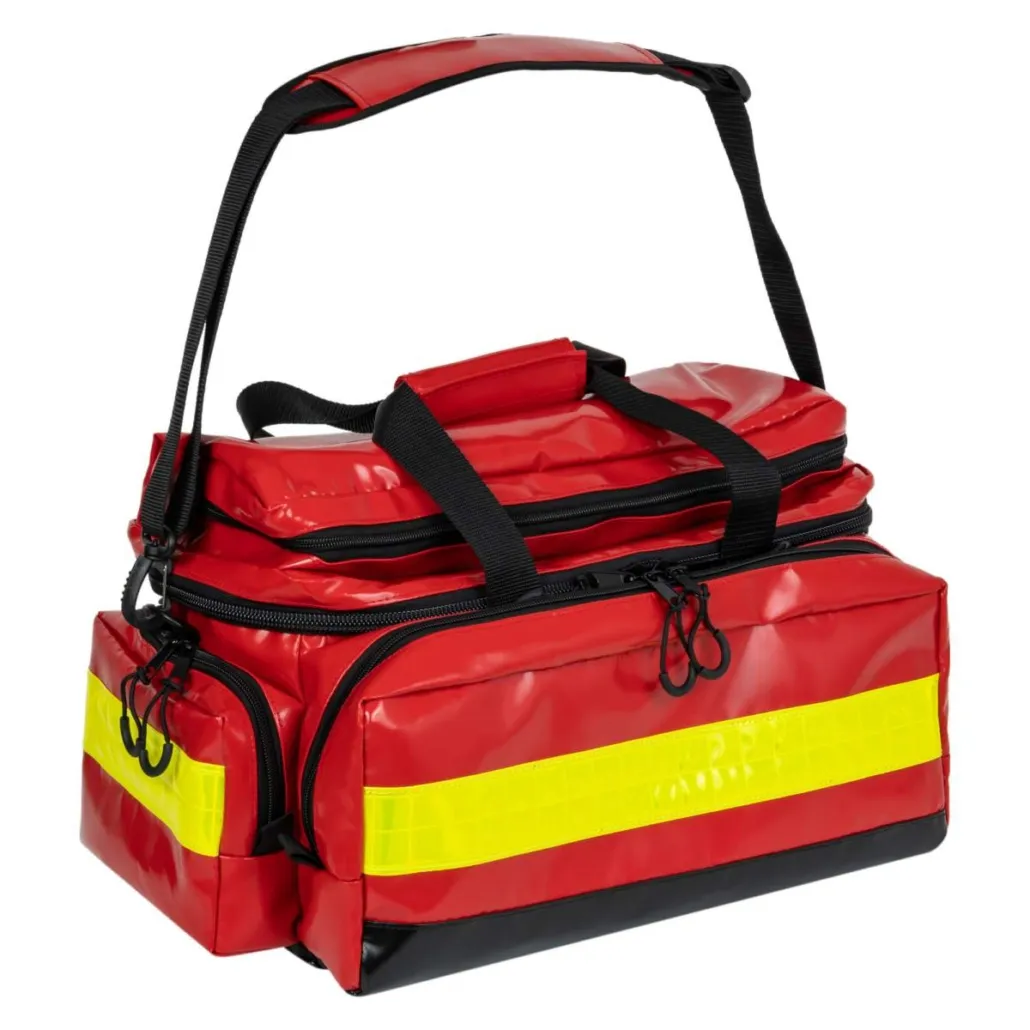
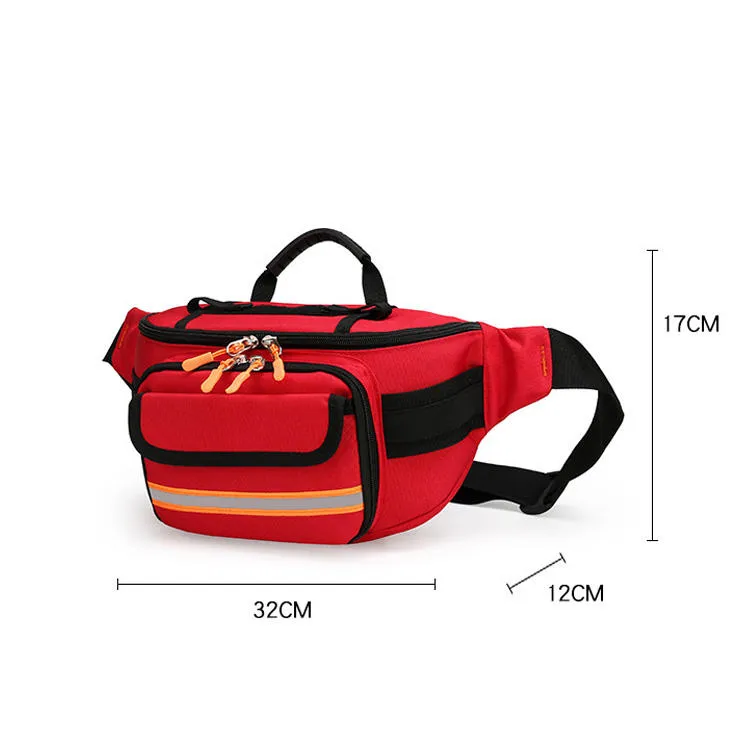
AB091, AB072 and AB058 are published bag references for design discussion. Final kit completeness, regulated-use suitability, symbols, cleaning, performance, price, quantity and timing require project-specific review.

Separate the bag from the complete kit claim

An empty organizer and a finished first aid kit have different scopes. The buyer should control medical contents, expiry management, instructions and market responsibilities, while the bag specification controls construction, organization, identification and carrying.

Validate the loaded organizer

Reviewing an empty sample cannot confirm item fit or emergency access. Pack the approved inventory, follow the intended retrieval and replenishment sequence, and document measurable acceptance criteria for the complete loaded construction.
Application-led design

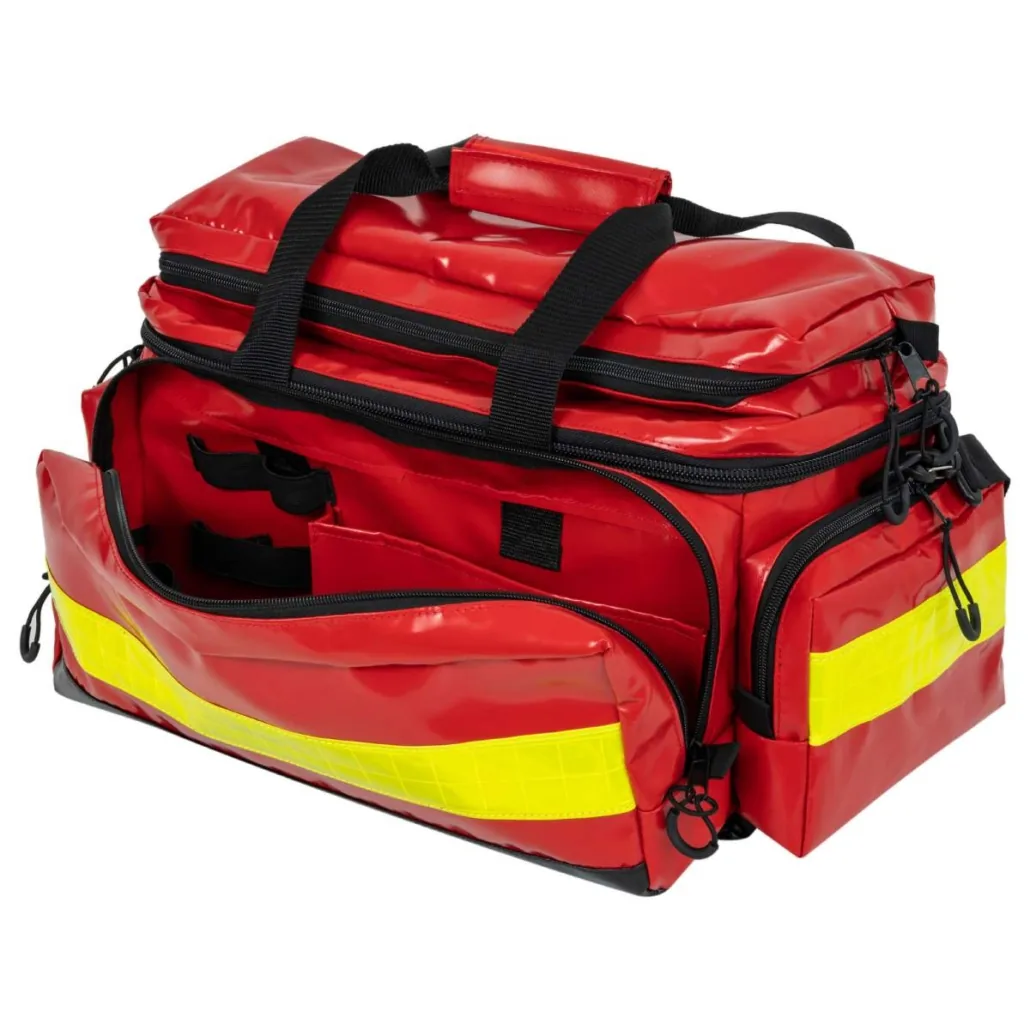
Choose the construction by how the bag will be used

An application is a starting point for specification—not a substitute for dimensions, materials, components and measurable requirements.

Workplace first aid organizers

Map the approved kit list, replenishment process, visibility, storage position and access sequence.

Emergency response bags

Define user roles, priority items, opening direction, compartment identification, handoff and carrying.

Vehicle and travel kits

Control storage envelope, restraint, temperature exposure, vibration, contents and destination-market labels.

Outdoor and rescue organizers

Specify exposure, packed load, gloved access, visibility, attachment and buyer-defined field tests.

Benshine product references

Explore first aid bags construction options

Select a reference to review the available source details, then identify what must change for your product.

First aid organizer bag reference AB091

Reference AB091

First Aid Organizer Bag AB091

A medical organizer reference for discussing contents, visibility, access, carrying and identification.

View reference →
Emergency organizer bag reference AB072

Reference AB072

Emergency Organizer Bag AB072

A structured carrying reference for developing internal organization, closures, access and handling.

View reference →
Medical organizer bag reference AB058

Reference AB058

Medical Organizer Bag AB058

A compartment-oriented reference for mapping a buyer-controlled kit list and retrieval sequence.

View reference →

RFQ specification checklist

Decisions to control before sampling

A complete brief helps Benshine review feasibility and gives buyers a clearer basis for comparing quotations and samples.

DecisionInformation to provideWhy it matters
Controlled kit listEvery item, quantity, dimensions, weight, packaging, expiry-management needs and access priorityThe contents determine usable volume, retention, visibility and replenishment workflow.
Organization and accessDividers, elastic loops, pockets, removable modules, labels, opening direction and retrieval sequenceAn organizer should be evaluated against the real items and intended user workflow.
Materials and cleaningExterior, lining, padding, contact conditions, cleaning agents, exposure and compatibility testsA textile name or medical appearance does not prove cleanability, barrier performance or suitability.
Identification and marketColours, symbols, wording, languages, labels, instructions, intended use and destination-market requirementsSymbols and first aid claims can carry market-specific obligations and require buyer approval.
Transport and validationPacked load, carrying method, storage, drop or load conditions, inspection plan and acceptance criteriaFinished-bag performance and kit suitability require defined conditions and evidence.

From reference to production brief

A controlled sourcing path

01

Freeze the kit inventory

Provide the approved contents, dimensions, weights, workflow, users, transport conditions and market.

02

Control the organizer specification

Record layout, retention, materials, closures, identification, cleaning, tests, labels and packing.

03

Review a fully loaded sample

Check item fit, visibility, retrieval, replenishment, closure, carrying and agreed performance tests.

04

Verify before production

Approve the controlled sample, regulatory responsibilities, evidence, quality points and commercial terms.

Buyer questions

Frequently asked questions about first aid bags

What should I provide for a custom first aid bag?

Provide the controlled kit list with dimensions and weights, intended users, retrieval order, storage and transport conditions, materials, cleaning, identification, labels, applicable requirements, testing, packaging, quantity, market and timing.

Does a first aid bag include medical supplies?

Not automatically. The specification and quotation must state the exact scope. These pages present bag development references and do not promise a complete medical kit or its contents.

Is a red bag with a first aid symbol compliant?

Appearance alone does not prove compliance. Intended use, contents, symbols, wording, labels, materials and evidence must be reviewed for the destination market.

How should an emergency bag sample be tested?

Load it with the approved contents and evaluate fit, retention, identification, retrieval, replenishment, closures, carrying and any buyer-defined cleaning, load or transport tests.

EmailWhatsApp