Treat the category name as a sourcing label
“Medical bag” can describe many organizer and carrying formats, but the name does not establish clinical suitability, certification or compliance. A defensible project begins with the intended use, contents, workflow and destination market. The buyer should identify applicable requirements and the evidence needed for materials, labels, cleaning and performance.
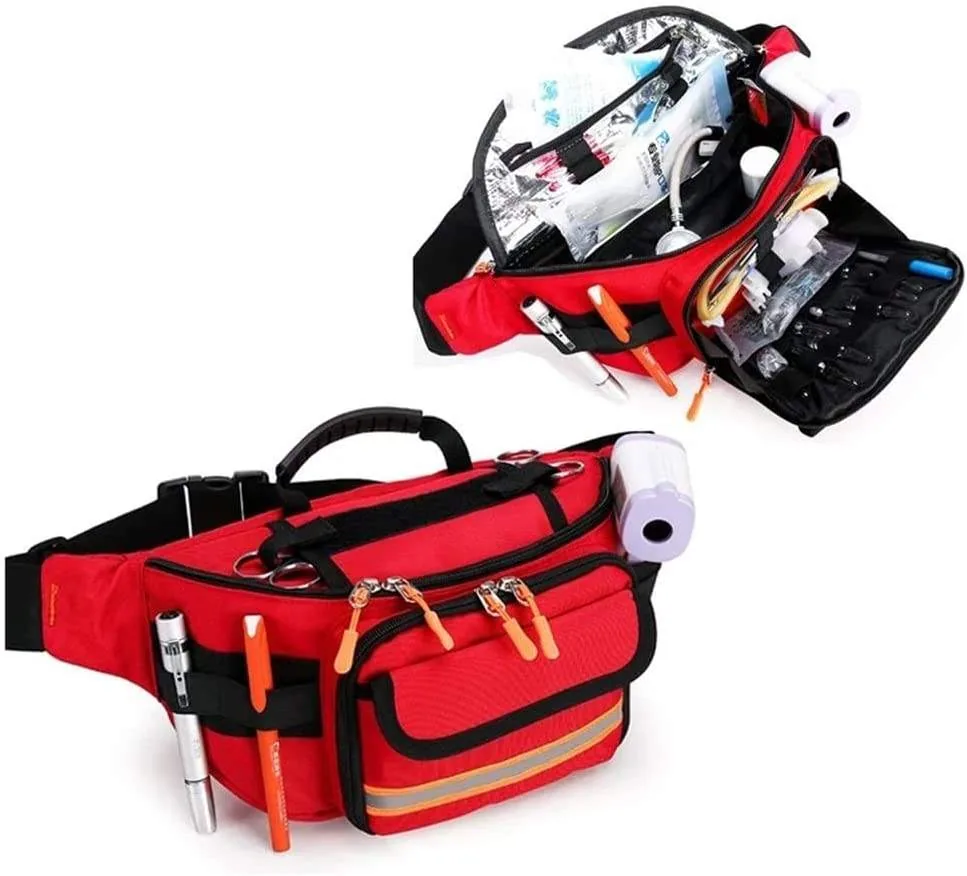
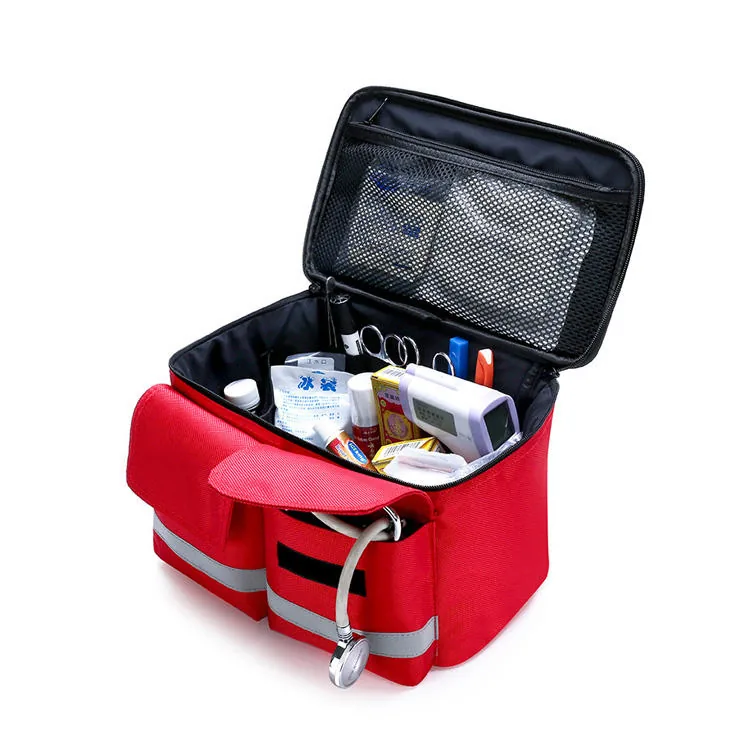
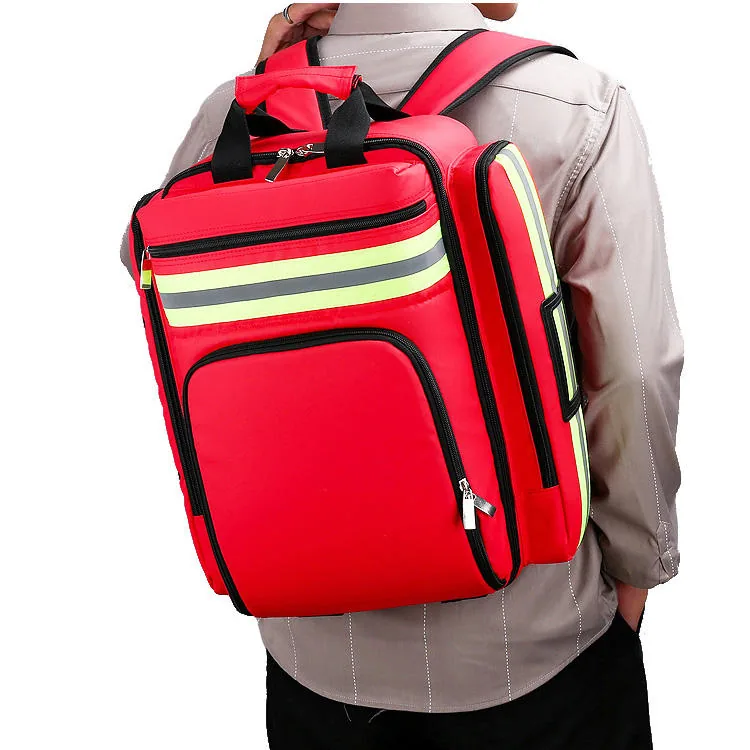
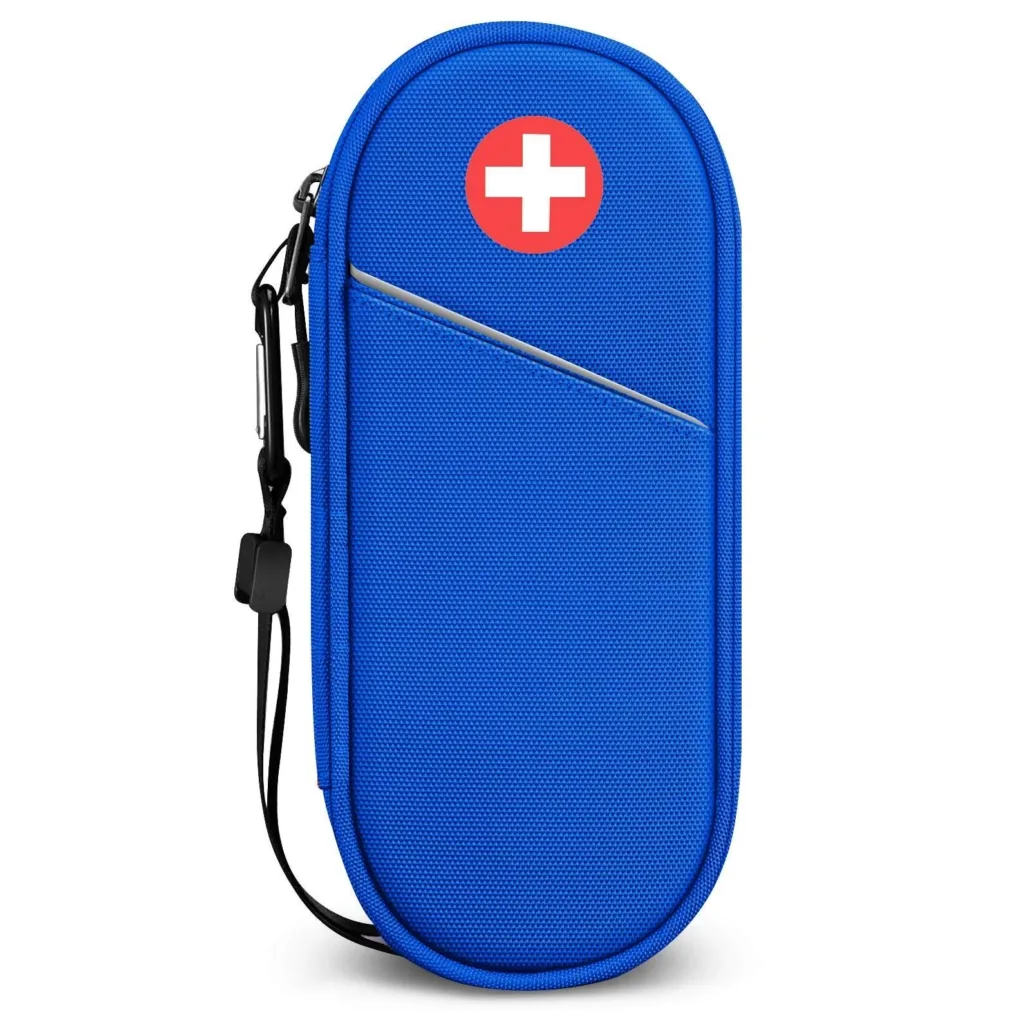
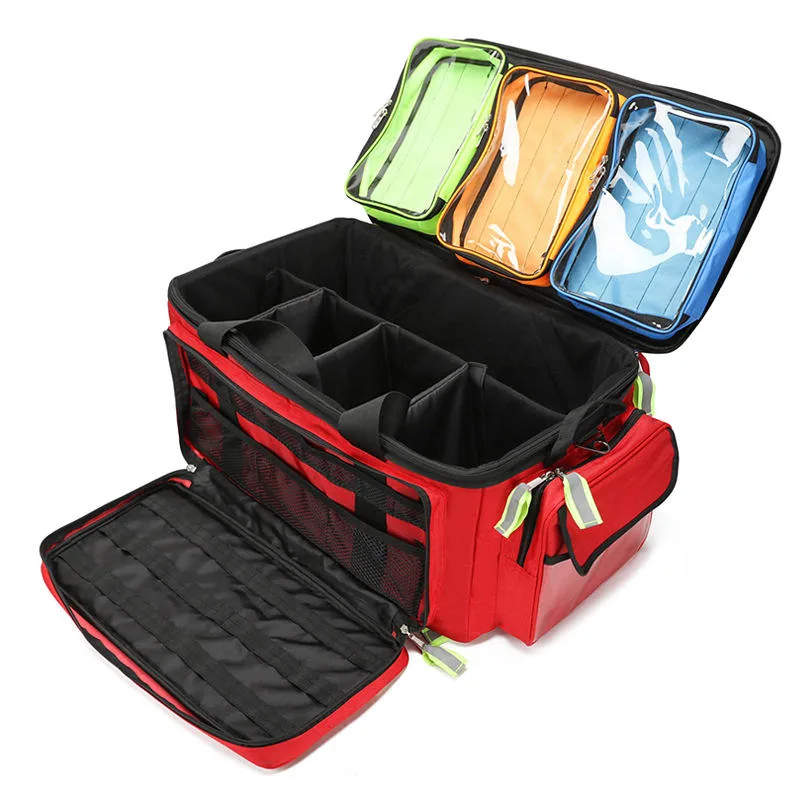
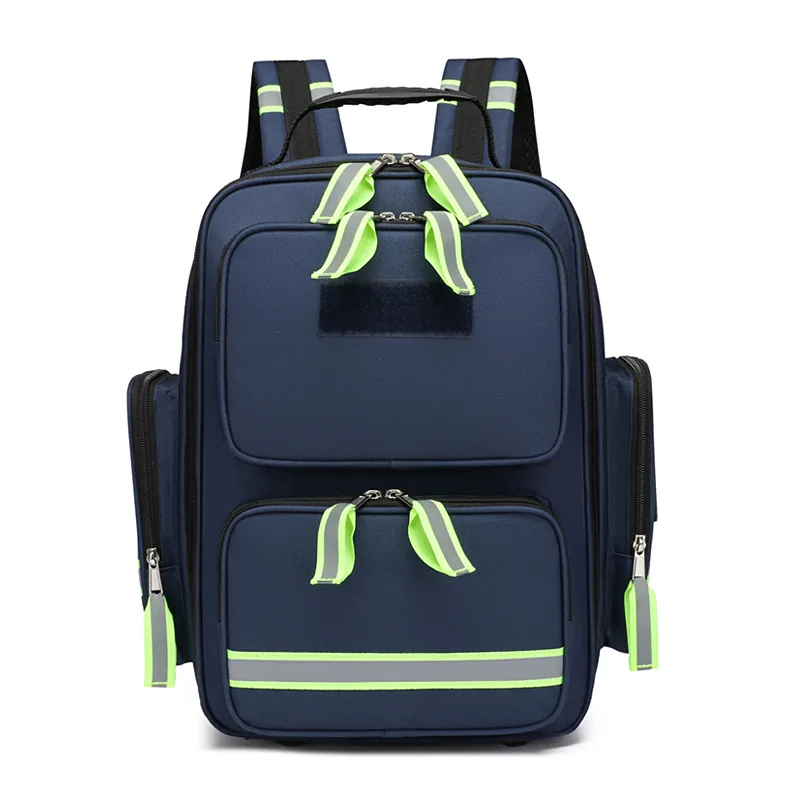
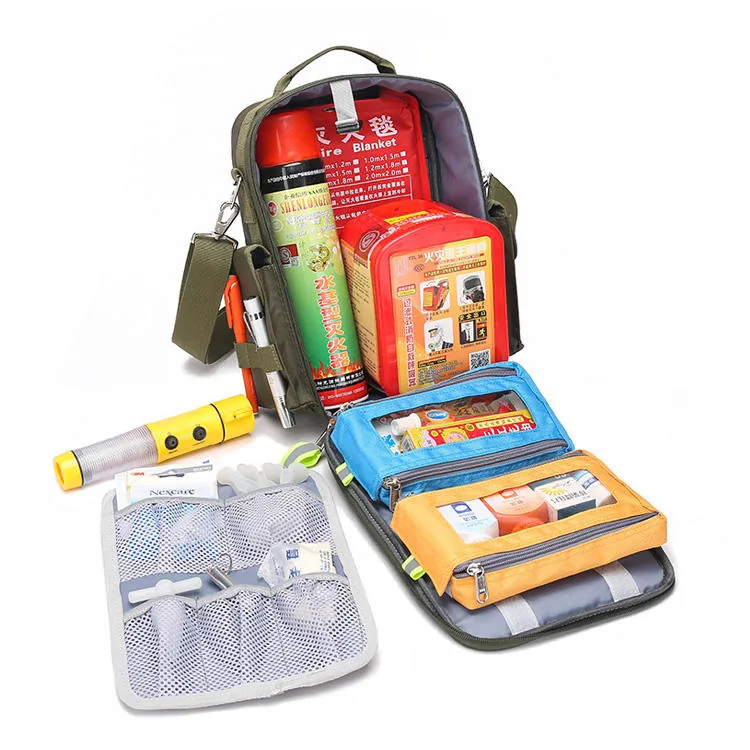
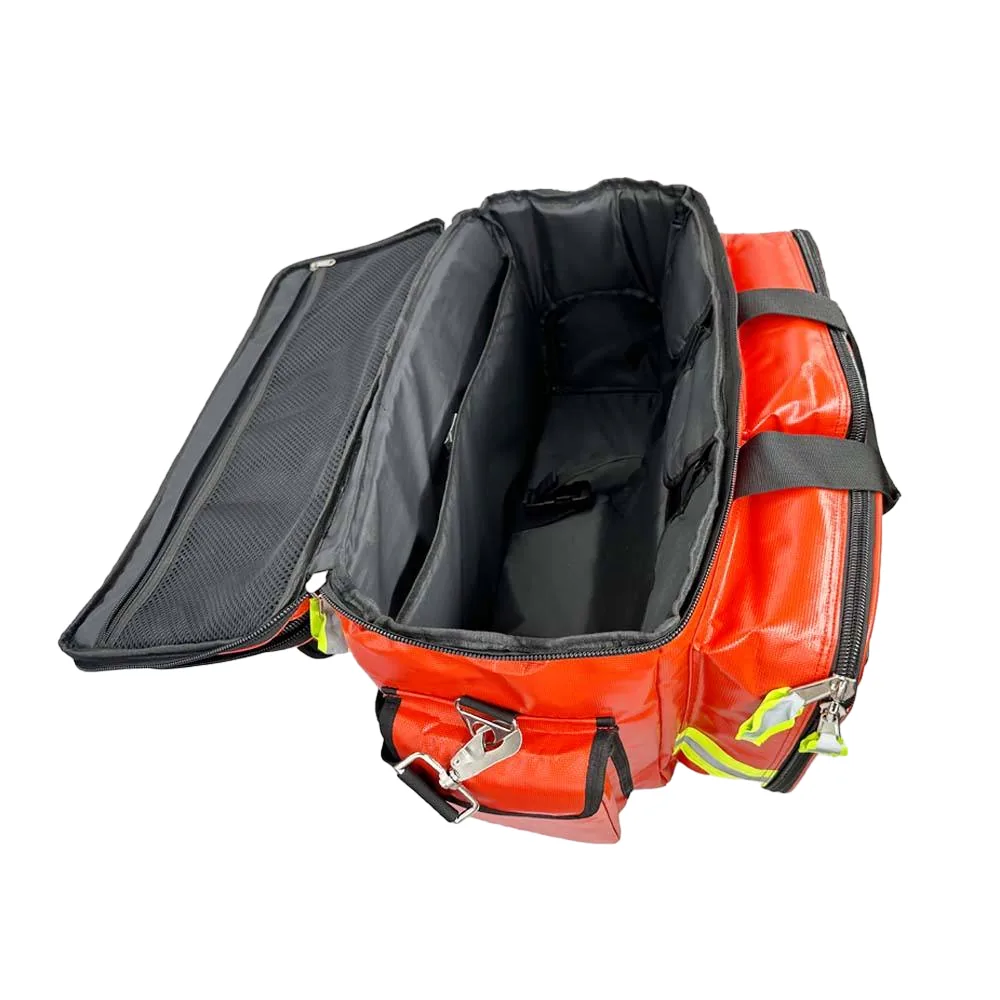
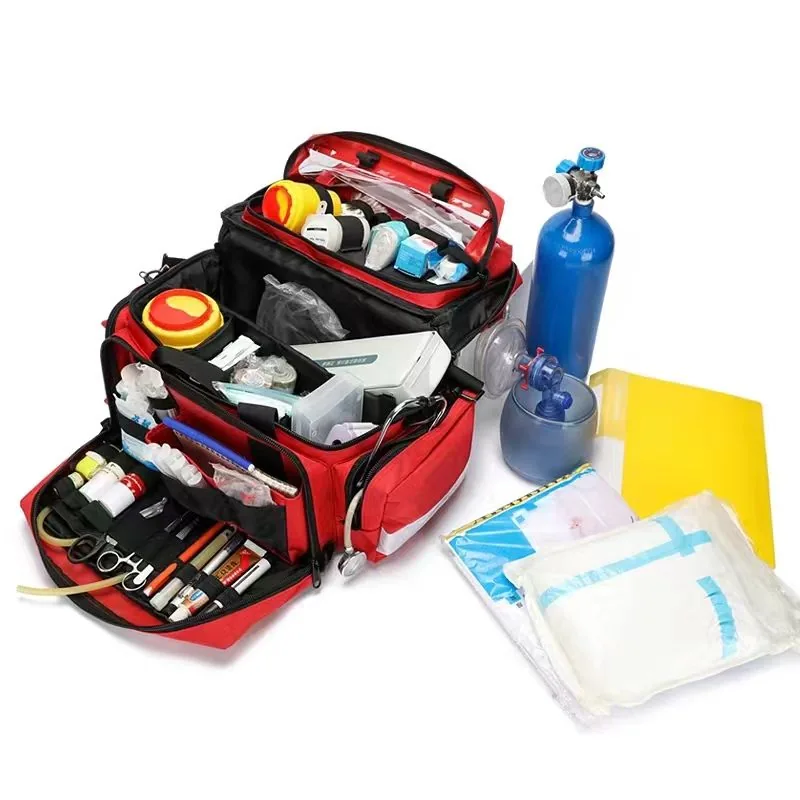
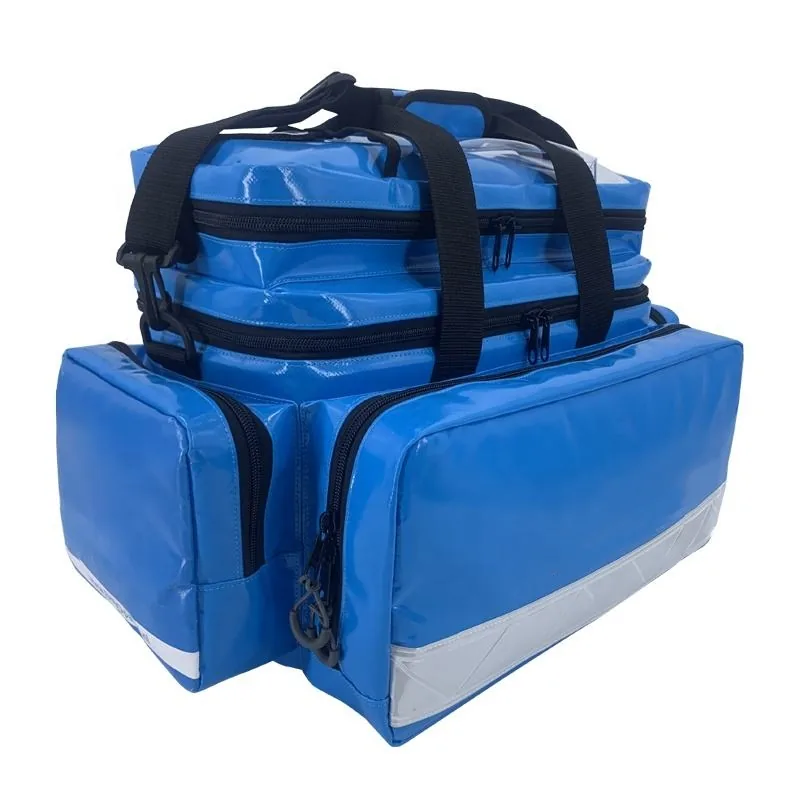
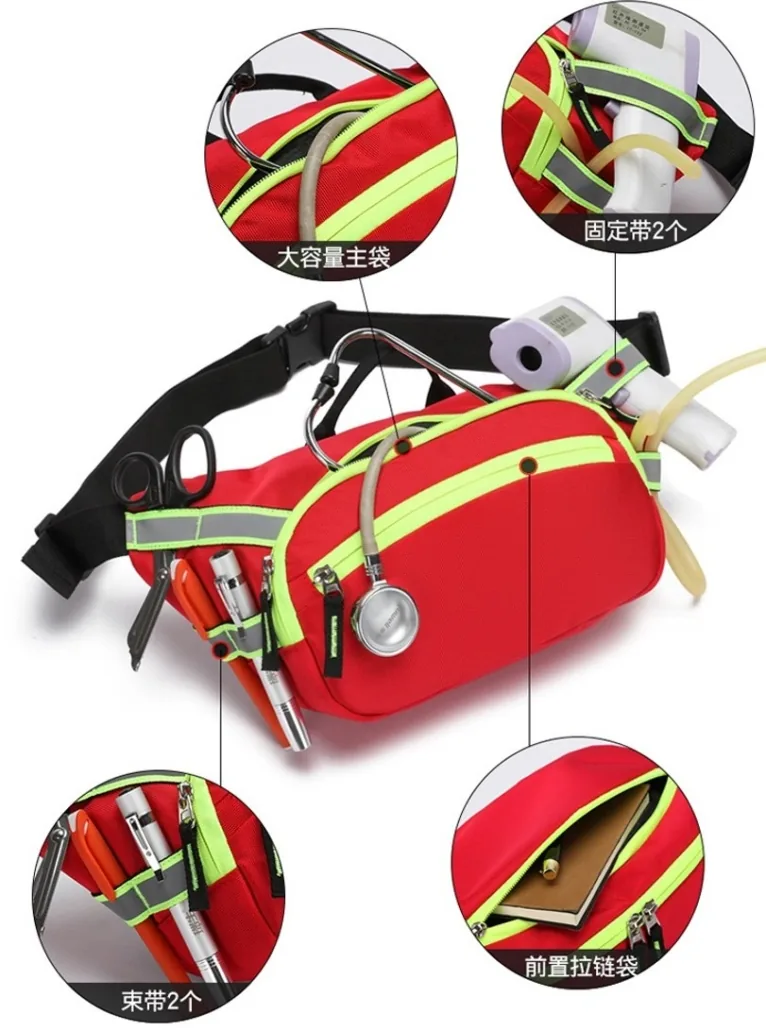
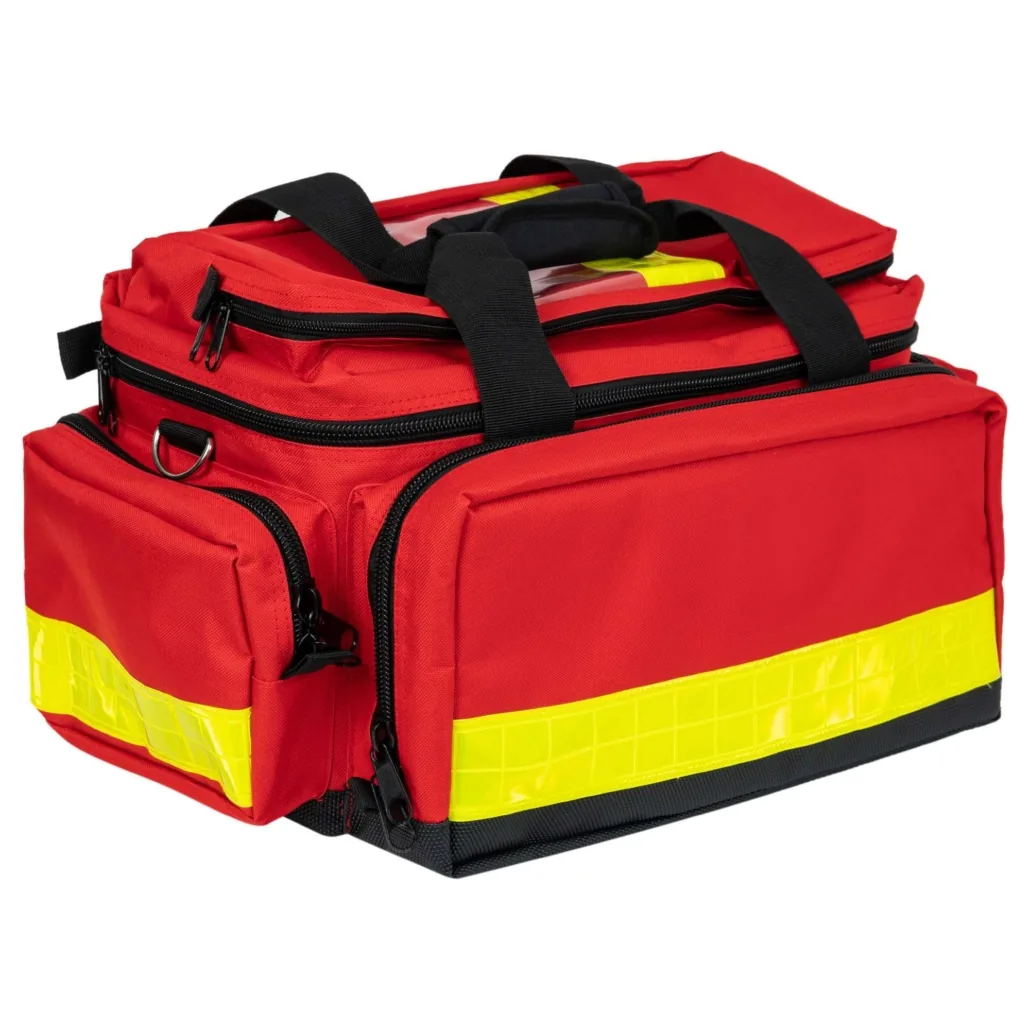
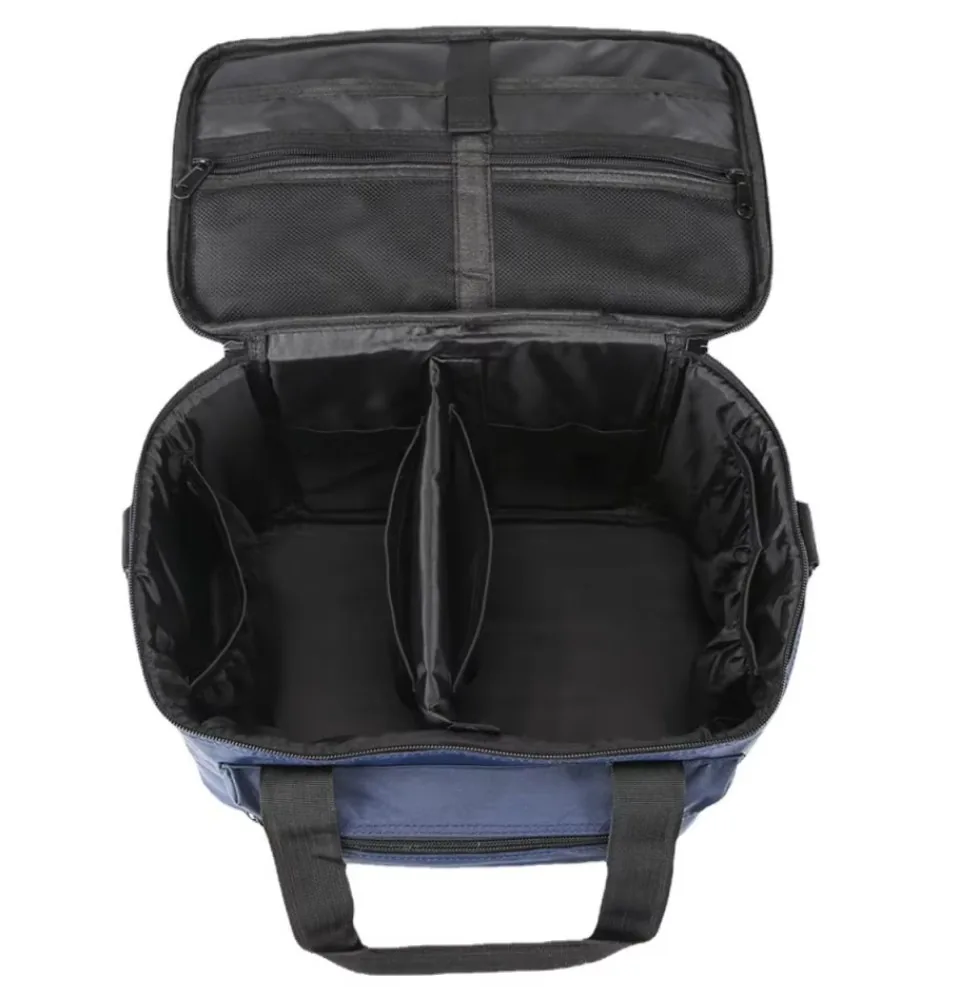
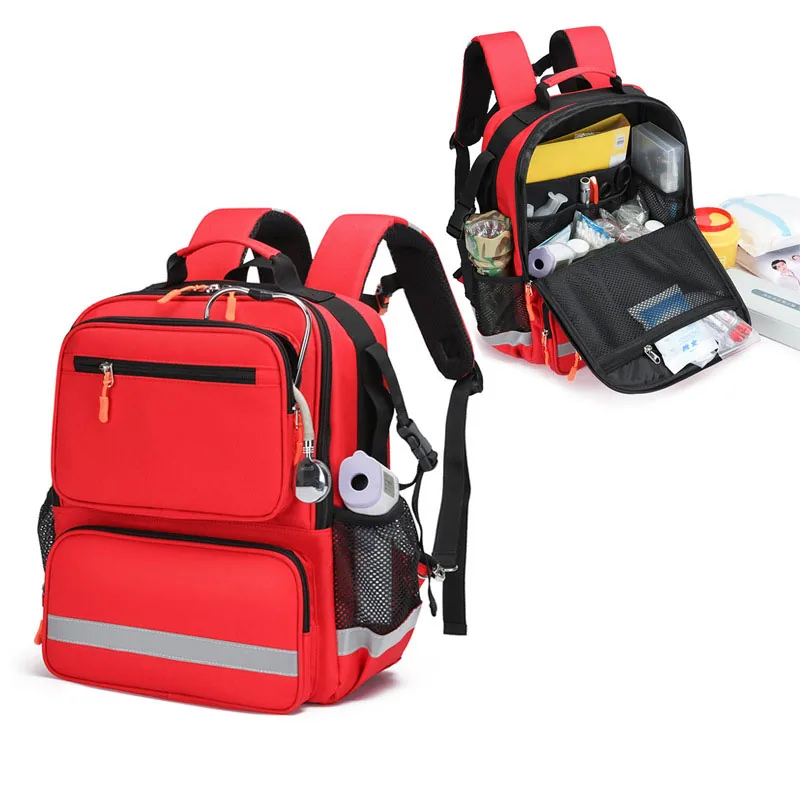
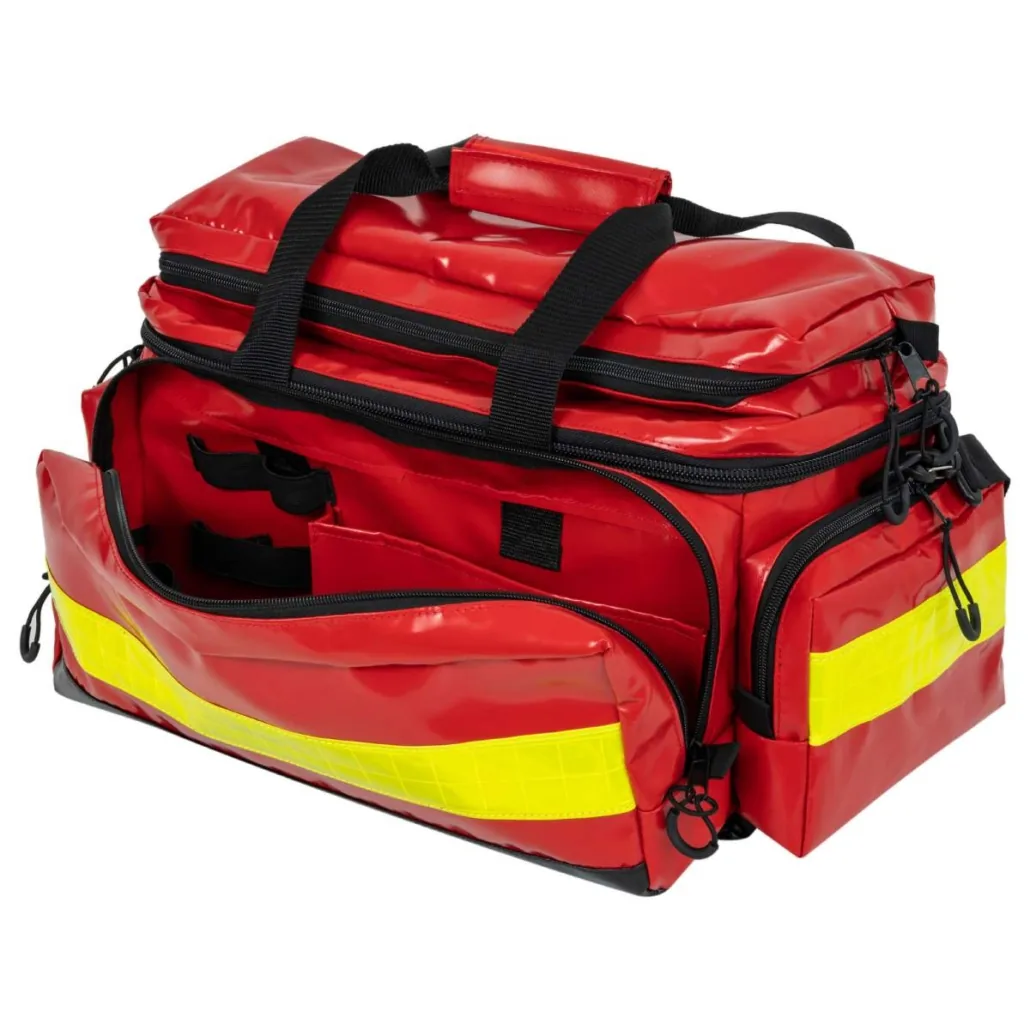
Benshine’s published references provide visual and construction starting points. Project-specific suitability and regulatory responsibilities must be confirmed separately.
Design access around the defined workflow
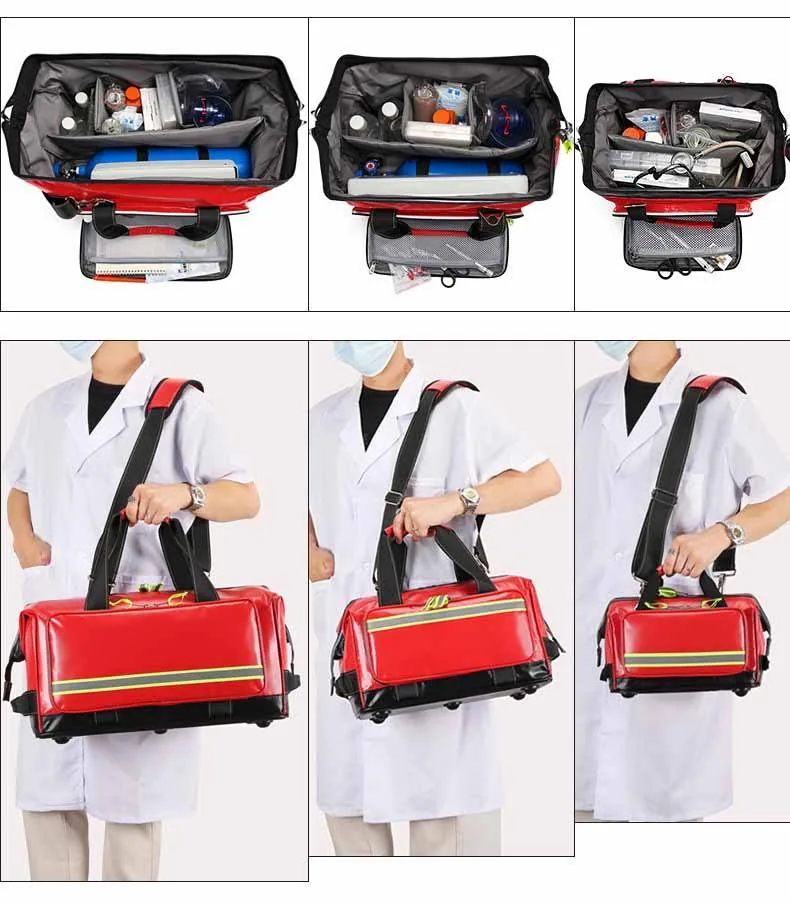
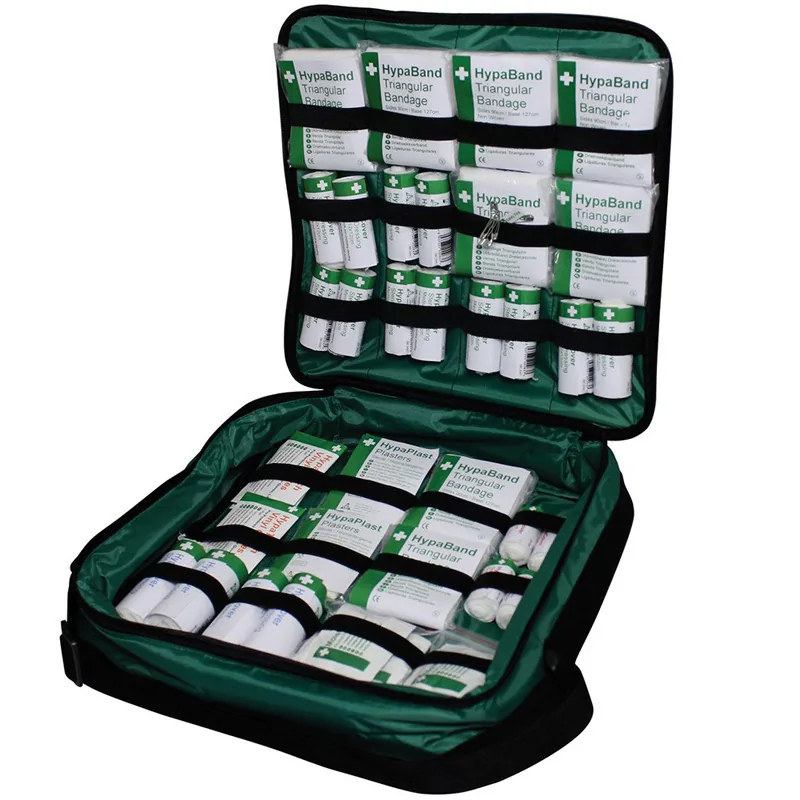
The bag layout should reflect how users identify and retrieve contents. Share an item list with dimensions and access priority, then define dividers, loops, pockets, transparent areas or removable modules. A loaded sample review is more informative than reviewing the empty bag alone.
Separate material choice from verified performance
Exterior and lining materials, padding, seams, closures and labels should be documented together. If cleaning compatibility, insulation, barrier performance or another functional result matters, define the conditions, test method and acceptance criteria. Avoid relying on broad terms that the finished product has not been tested to support.
Scope paramedic and medical transport projects by workflow
A paramedic bag manufacturer enquiry should identify the controlled kit, user workflow, access priority, identification, transport conditions and cleaning process. The word paramedic does not establish regulatory status, completeness or clinical suitability, and Benshine does not infer those claims from a product shape.
Medical transport bag requirements can differ by payload. If insulation or medicine-cooling performance is required, provide the applicable standard, temperature profile, packaging system and validation responsibility through the dedicated medical cooler page. That page scopes a development enquiry without treating the category name as proof of performance or suitability. Specimen transport remains outside the published manufacturing scope because the current evidence does not establish its packaging, containment and regulatory requirements.