
Certificates, audit reports, supply-chain records and test reports answer different questions. A document is useful only when its identity, site, standard, scope, dates, issuer and relationship to the intended order can be checked.
Direct answer: To verify a bag factory certification, match the legal company name and production-site address, confirm the standard and certified scope, check the certificate number, issuer, dates and current status, and determine whether the named entity performs the work relevant to your order. Then verify product, material and shipment requirements separately. A certificate logo or copied PDF is not enough.
What each document can—and cannot—show
| Document type | Question it can help answer | Key scope fields | It does not automatically prove |
|---|---|---|---|
| Management-system certificate, such as ISO 9001 | Does the named organization have a certified management system for the stated scope? | Legal entity, site, activities, standard, issuer and validity | Product compliance, shipment acceptance, capacity or defect-free production |
| Social audit, including an amfori BSCI assessment or SMETA report shared through Sedex | What workplace conditions and management practices were assessed at the stated site and time? | Audited entity, site, methodology, audit date, findings and follow-up status | Product safety, material composition, quality-system certification or permanent compliance |
| Chain-of-custody or material certification, such as GRS | Are named entities and activities within a certified material chain? | Certified entity, site, product/material category, processes, dates and transaction records | That every pictured or quoted bag carries the claim |
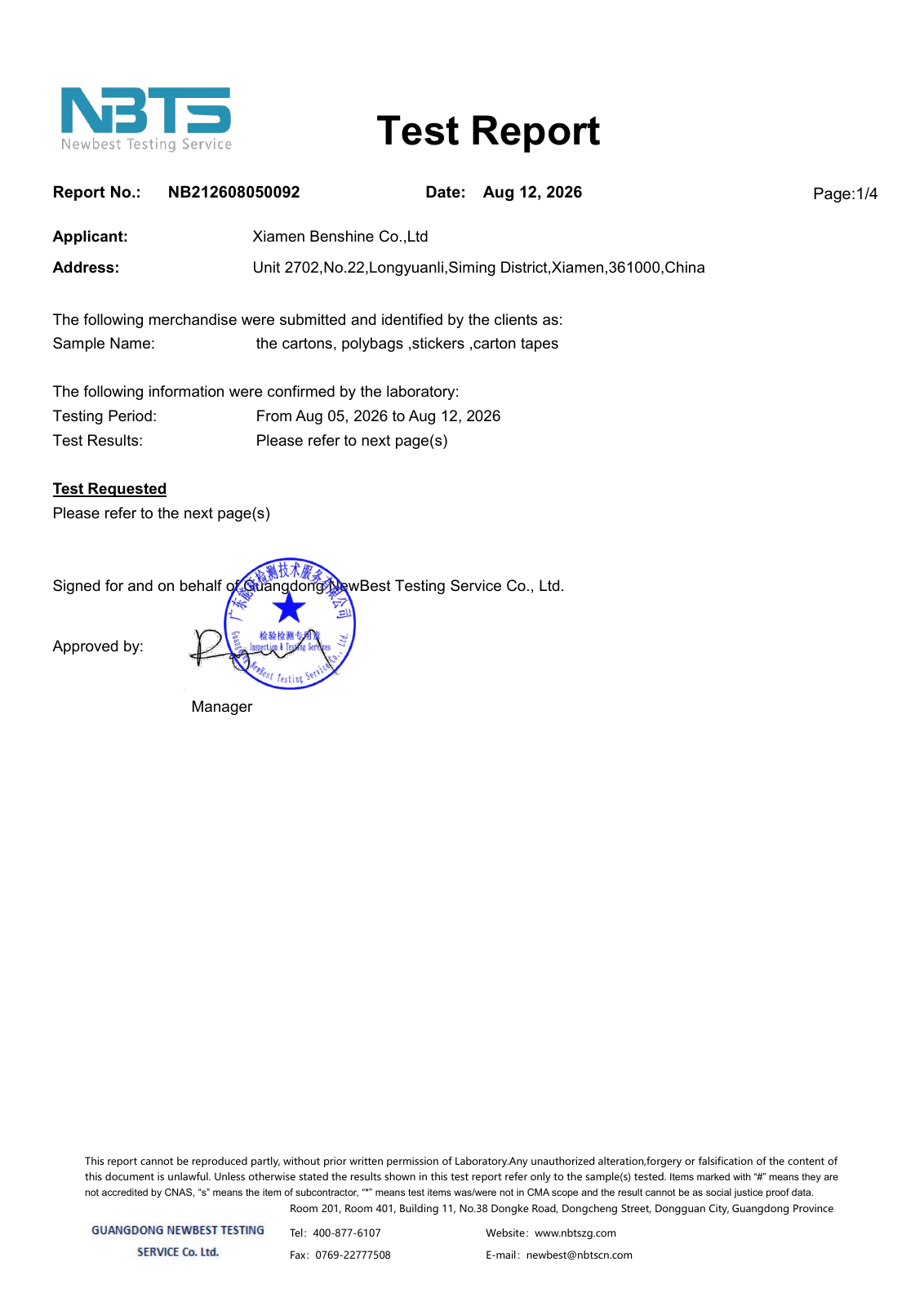
| Product or material test report | What results were recorded for the named sample using stated methods? | Applicant, sample description, method, date, result and conclusion | Factory certification, all colours/materials, future lots or unrelated products |
| Order inspection report | What was observed in the inspected sample or lot under the stated plan? | SKU, lot, sample size, criteria, date, findings and disposition | Management-system status or performance outside the inspection scope |
The exact meaning is controlled by the document and the relevant scheme rules. Marketing shorthand should never replace the original record.
Eight checks for certificate authenticity and relevance
- Legal identity: compare the certificate name with the quotation, contract, invoice and payment beneficiary. Record any trading-company or group-company relationship.
- Production site: match the full factory address. A head-office, material-mill or sister-company document may not cover the production location.
- Standard and version: record the full scheme or standard name instead of relying on a logo.
- Scope: read the products, processes and activities listed. “Textiles” or “trading” may not cover the manufacturing operation you expect.
- Document number and issuer: identify the certificate, audit or report number and the organization that issued it.
- Dates and status: check issue, audit, surveillance, expiry or withdrawal information as applicable.
- Independent verification: use the issuing or scheme owner’s official directory or contact route when one is available. Do not rely only on a link or screenshot supplied by the seller.
- Order connection: map the document to the actual SKU, material supplier, production site, process, colour, destination market and shipment requirement.
Keep a dated verification record with the source consulted, the fields matched, unresolved differences and the person who approved the conclusion.
Verify the supplier role, not only the company name
A bag programme may involve a brand, importer, trading entity, development office, sewing factory, printing subcontractor, material mill and testing laboratory. Ask the supplier to map the parties that affect the requirement.
| Role question | Evidence to request | Why it matters |
|---|---|---|
| Who signs and receives payment? | Legal identity, contract and payment record | Establishes the commercial counterparty |
| Where will cutting, sewing, finishing and packing occur? | Site list, process map and visit or audit evidence where required | Connects the order to the production location |
| Which processes are subcontracted? | Named process and site, approval and control method | Identifies scope gaps and change risk |
| Who supplies claim-sensitive material? | Named source, specification and applicable chain records | Links the material claim to the supply chain |
| Who submitted the tested sample? | Report applicant, sample description and sample-selection record | Shows whether the report can be related to the proposed product |
An authentic document can still be irrelevant when it belongs to the wrong entity, site, material or process.
How to interpret common names
BSCI
amfori BSCI relates to social-performance monitoring within its system. Review the participating organization, assessed producer and site, assessment date, rating or findings, follow-up status and the buyer’s own policy. Do not describe BSCI as a product-quality or product-compliance certificate.
Sedex and SMETA
Sedex is a responsible-sourcing platform; SMETA is an audit methodology. Ask what record is available, who may access it, which site and pillars were covered, when the audit occurred, what findings remain and whether corrective actions were reviewed. A “Sedex supplier” phrase alone does not communicate an audit result.
ISO 9001
Check the certified legal entity, address, quality-management-system scope, certification body, accreditation information where relevant, dates and current status. ISO 9001 does not replace a product specification, approved sample or shipment inspection.
GRS
For a recycled-material claim, review the applicable scheme scope, certified entities, product/material categories, processing roles and required transaction documentation. A raw-material supplier’s certificate cannot simply be copied onto a finished-bag claim. Define claim wording and evidence before artwork or packaging approval.
These names are explained for buyer education. Their appearance here is not a statement that Benshine currently holds them.
Read a test report from the inside out
Start with the named sample, not the cover logo. Record:
- applicant and any manufacturer or supplier identified;
- report number, laboratory and issue date;
- sample description, model, material, colour and condition;
- sample receipt and test dates;
- method, edition and any deviation;
- units, limits, measured results and conclusion;
- photographs or identifiers connecting the report sample to the proposed product;
- whether later material, colour, supplier or construction changes affect relevance.
Review Benshine’s scoped material and packaging test documents. Each published record must be interpreted according to its own sample, method, date, result and conclusion.
Turn verification into an order control
Document review should lead to an action, not just a folder of PDFs.
- Define destination-market, customer-policy, product and material requirements.
- Assign each requirement to a certificate, audit, test, inspection or supplier declaration as appropriate.
- Record who supplies the evidence and who approves it.
- Link approved evidence to the controlled specification and sample revision.
- Require notice and written approval for changes to the site, subcontractor, material source, formulation, colour or construction when they may affect evidence.
- Set renewal, re-test or pre-shipment review points based on the requirement and risk.
Audit findings and corrective actions
An audit date or score is not the end of the review. For findings relevant to the buyer’s programme, record the issue, root cause, corrective action, responsible party, due date, closure evidence and verification status. Distinguish a supplier statement from closure confirmed under the applicable programme or buyer process.
Consider whether changes after the audit—such as a new building, workforce arrangement, subcontractor or process—alter the risk picture. The review frequency should follow the buyer’s policy, scheme rules, project risk and current evidence rather than a generic website claim.
Warning signs during document review
- the company name or address is cropped, edited or does not match the contracting party;
- only a logo, badge, screenshot or certificate cover is supplied;
- the number, issuer, scope, dates or current status cannot be checked;
- a material-mill document is presented as the bag factory’s certification;
- one sample report is claimed to cover all products, colours and future lots;
- a social audit is described as product certification;
- expired documents are provided without current status or follow-up explanation;
- the supplier will not explain production sites, subcontracting or sample traceability;
- material or construction substitutions are treated as having no evidence impact.
One discrepancy may have an administrative explanation, but it should be resolved and recorded before the document is relied upon.
What to request in a verification pack
- legal entity and production-site details;
- the complete, legible certificate, audit or report rather than a cropped image;
- document number, issuer, standard, scope and validity information;
- a production and subcontracting map for the proposed order;
- relevant material-supplier and transaction records for claim-sensitive inputs;
- test-sample identity and its relationship to the approved product;
- open findings, corrective-action status and supporting evidence where applicable;
- an evidence matrix linking each buyer requirement to the responsible document;
- a change-control commitment for facts that could invalidate the evidence.
Benshine evidence boundary
Benshine can review a buyer’s intended product, materials, production route, destination market and requested evidence as part of a project discussion. Published factory photographs show physical context; published test documents show the scope written in those particular records.
This page does not claim that Benshine currently holds BSCI, Sedex/SMETA, ISO 9001, GRS or another certification. It also does not promise that a displayed test report covers a new product, material, colour, supplier, production lot or market requirement. Ask for the current, matching evidence needed for the controlled project.
Continue your supplier review
- Review Benshine’s factory identity and visible evidence
- Browse first-party factory media
- Plan bag quality control
- Read the scoped test-document library
- Compare a reliable bag manufacturer in China
- Send Benshine an evidence-led project brief
Quick answers
How do I verify a bag factory certification?
Match the legal entity and production-site address, identify the standard and scope, check the certificate number, issuer, issue and expiry dates, confirm current status through an authoritative channel where available, and connect the document to the entity and work involved in the actual order.
Is a material test report the same as a factory certification?
No. A test report normally applies to the named sample, method and test scope. A management-system certificate applies to the named organization, site and certified scope. Neither should be extended beyond what the document states.
Are BSCI and Sedex or SMETA product certifications?
No. BSCI is an amfori social-audit system, Sedex is a responsible-sourcing data platform and SMETA is an audit methodology. Their records address defined workplace and supply-chain questions; they do not certify that every product meets performance or regulatory requirements.
Does ISO 9001 prove every bag shipment passes inspection?
No. ISO 9001 concerns a quality-management system within a stated certified scope. Buyers still need a controlled specification, approved sample and order-specific quality plan, inspection and evidence where required.
Does GRS automatically prove a finished bag contains recycled material?
No. A valid claim depends on the relevant certified entities, product and material scope, supply-chain records and transaction documentation. A certificate belonging to an upstream supplier does not by itself prove the finished bag claim.
Does Benshine claim BSCI, Sedex or SMETA, ISO 9001 or GRS certification on this page?
No. This is an educational verification guide. Benshine only presents a certification, audit or test claim when a current document with matching identity and scope is separately available for review.