
Picnic cooler bags developed around the menu and journey

Picnic Bag Manufacturer in China

Direct answer: Benshine Bags is a picnic bag manufacturer in China with picnic cooler backpack and carry-bag references. Buyers should define the food, drink and tableware set, container dimensions, packed weight, journey time, temperature target, carrying, opening sequence, cleaning, materials, branding, packaging and validation method.

Outdoor and lifestyle brandsFood and beverage programmesRetail and private-label buyersHospitality and promotional teams
Discuss on WhatsAppEmail Sales

Start with the menu and journey

A picnic bag should be designed around actual containers, bottles, ice packs, tableware and textiles. Their size, orientation and serving order determine the footprint, compartments and opening. Walking distance and packed weight then guide the carrying format.

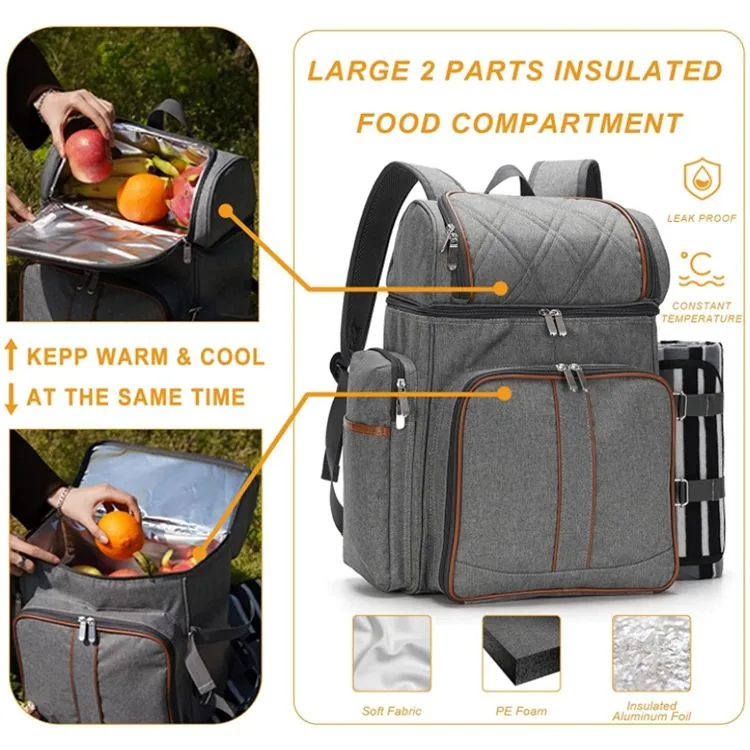
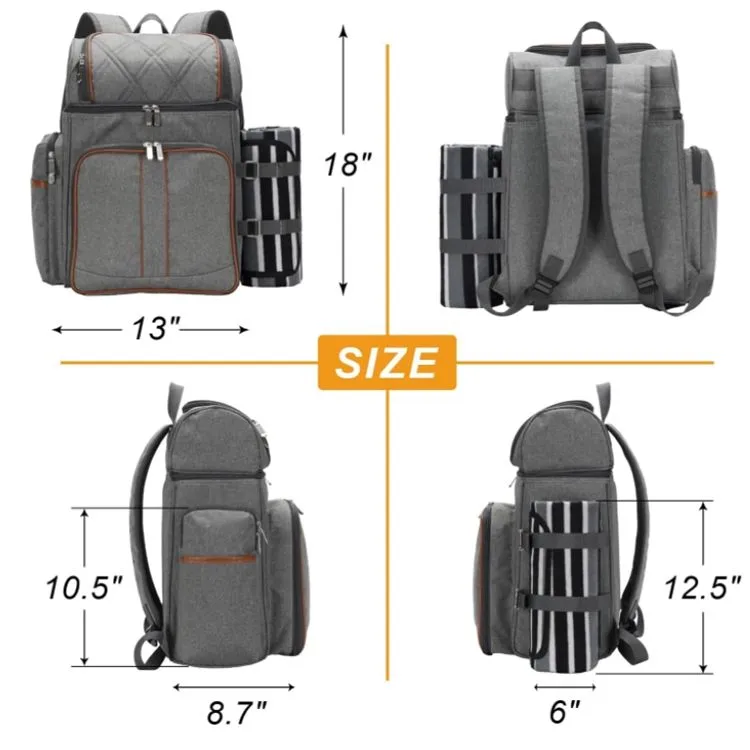
JA015 and JA024 provide backpack and carry-bag picnic cooler references. Final thermal performance, food-contact scope, leakage, cleaning, price, quantity and timing require a controlled project specification and applicable evidence.

Convert “keep cold” into a test protocol

State payload and ambient profiles, starting temperatures, ice-pack arrangement, journey duration, opening frequency and acceptable final temperature. This makes insulation decisions measurable and prevents a generic material description from becoming an unsupported performance promise.

Review the serving workflow

Pack the production-style sample with the intended contents and follow the real journey from loading to serving. Check carrying, stability, access, condensation or spills, cleaning and repacking before approving the design.
Application-led design

Choose the construction by how the bag will be used

An application is a starting point for specification—not a substitute for dimensions, materials, components and measurable requirements.

Picnic cooler backpacks

Balance food and drink load, walking distance, shoulder carrying, access and temperature targets.

Family picnic bags

Map containers, bottles, utensils and textiles to compartments, openings and serving order.

Beach and camping food bags

Define outdoor exposure, ground contact, packed weight, cleaning and buyer-required thermal tests.

Promotional picnic sets

Coordinate contents, gifting presentation, artwork, labels, unit packing and distribution.

Benshine product references

Explore picnic bags construction options

Select a reference to review the available source details, then identify what must change for your product.

Picnic cooler backpack reference JA015

Reference JA015

Picnic Cooler Backpack JA015

A polyester backpack-format picnic cooler reference for discussing carrying, layout and thermal testing.

View reference →
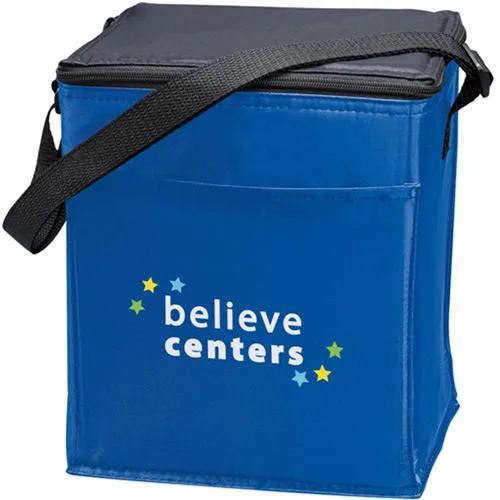
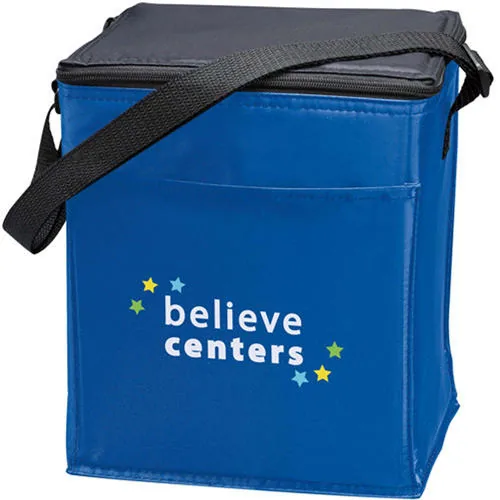
Picnic cooler carry bag reference JA024

Reference JA024

Picnic Cooler Bag JA024

A picnic carry-bag reference for developing food and drink organization, access and branding.

View reference →

RFQ specification checklist

Decisions to control before sampling

A complete brief helps Benshine review feasibility and gives buyers a clearer basis for comparing quotations and samples.

DecisionInformation to provideWhy it matters
Menu and container setFood boxes, bottles, cans, ice packs, utensils, textiles, dimensions, orientation and total weightThe actual set controls volume, footprint, dividers, opening and loaded shape.
Thermal requirementStarting temperatures, payload, ambient profile, journey duration, opening frequency and acceptance criteriaInsulated appearance does not establish a temperature or duration result.
Lining and cleaningLining direction, seams, leakage conditions, food-contact scope, cleaning method and evidenceCleanability, food contact and leak resistance are separate project requirements.
Carrying and accessBackpack straps or handles, walking distance, user range, packed load and serving sequenceThe carry system and opening should be reviewed with the complete picnic load.
Branding and deliveryArtwork, colours, labels, instructions, included accessories, unit packaging and marketThe programme must clearly state its component scope and maintain presentation through delivery.

From reference to production brief

A controlled sourcing path

01

Define the picnic set and journey

Send containers, drinks, accessories, packed weight, trip duration, climate and serving workflow.

02

Control the construction

Record dimensions, organization, insulation, lining, openings, carrying, artwork, tests and packing.

03

Review a loaded thermal sample

Check fit, access, carrying, loaded shape, cleaning and the agreed time-temperature test protocol.

04

Confirm production details

Approve the controlled sample, component scope, evidence, quality points and commercial terms.

Buyer questions

Frequently asked questions about picnic bags

What should I provide for a custom picnic bag?

Send the complete food, drink and accessory set with dimensions and weight, journey, temperature target, carrying, access, cleaning, materials, artwork, testing, packaging, quantity, market and timing.

How long will a picnic cooler bag keep food cold?

No universal duration applies. Results depend on the construction, payload, starting temperatures, ice packs, ambient conditions and openings. Define and test a project-specific protocol.

Are picnic bag linings automatically food-contact safe?

No. Define whether packaged or unpackaged food contacts any surface, identify destination-market requirements and require suitable material evidence for the exact construction.

Can picnic accessories be included with the bag?

The component scope must be listed and confirmed for each project. Supply or sourcing of accessories should not be assumed from a bag reference image.

EmailWhatsApp