
Choose the format from the shopping load
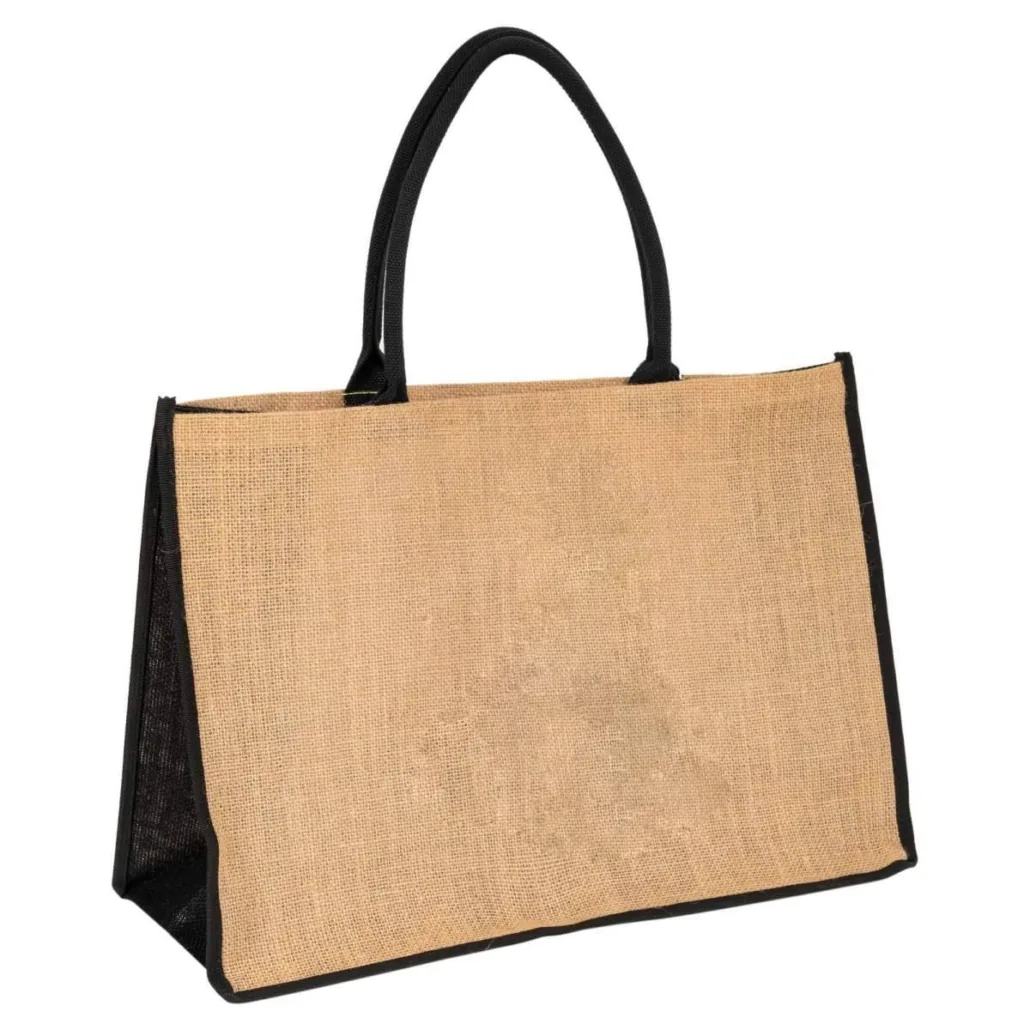
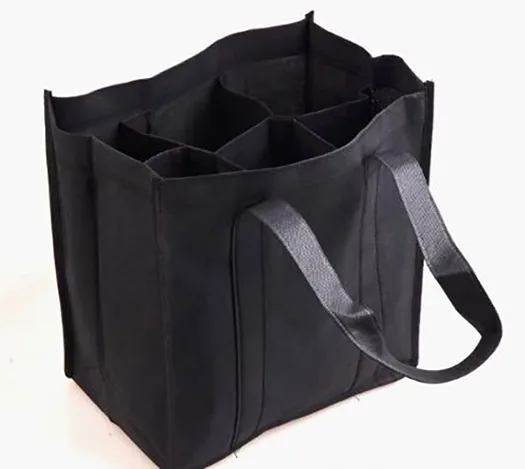
A useful shopping bag brief starts with what goes inside. Product dimensions, weight and checkout workflow shape the width, height, gusset, opening and handle arrangement. A flat promotional bag, a grocery tote and a structured retail carrier should not share a generic specification.
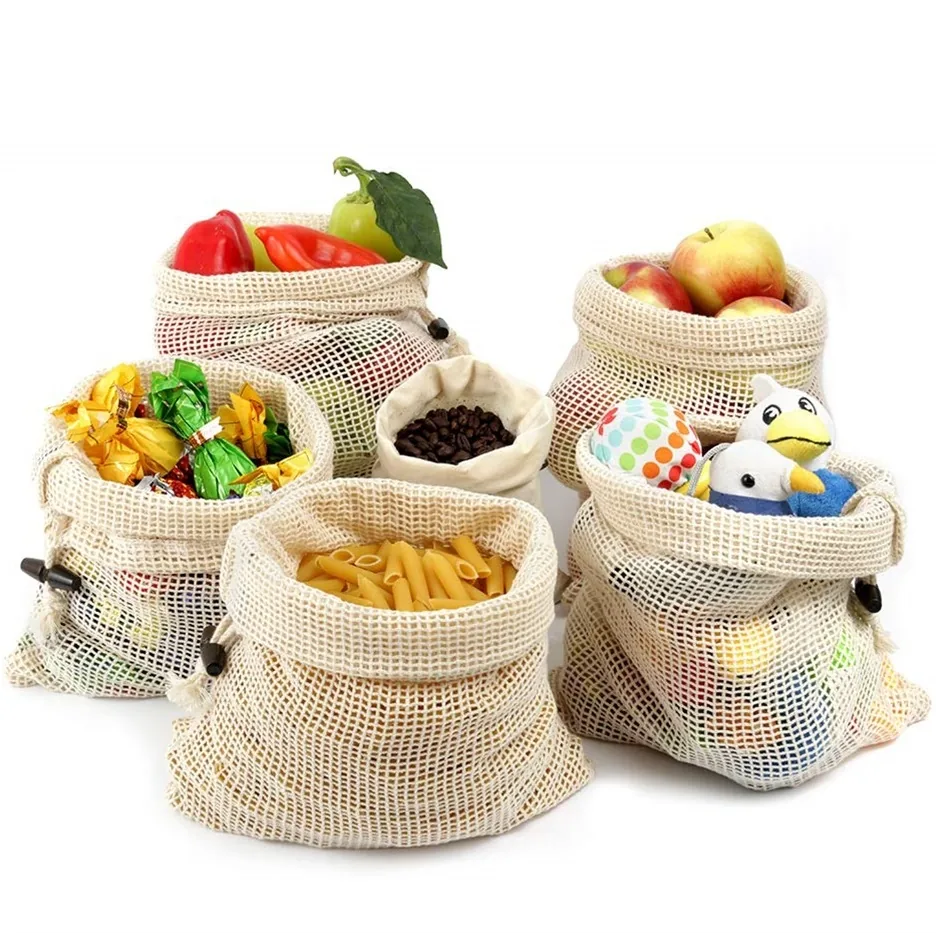
Benshine’s existing tote, mesh, jute, non-woven and foldable references allow buyers to compare directions without duplicating product records. Final material, construction, performance, price, quantity and timing are confirmed for the project.
Compare complete constructions, not material names
Jute, mesh and PP non-woven references behave differently, but fibre or material labels alone are incomplete. Record weight, weave or sheet construction, lamination, lining, seams, handles, colour and documentation so quotations refer to comparable products.
Make reuse and environmental language evidence-led
If repeat use matters, define the load and a handling or cycle test. Keep durability, recyclability and environmental statements tied to the specified product and applicable evidence rather than assuming them from the word reusable.
An eco friendly shopping bag manufacturer request is therefore treated as a claim-and-evidence brief, not a generic product type. State the intended market and exact wording, then align material records, construction, expected use, testing, packaging and substantiation before the claim appears on the product or marketing materials.
A cotton shopping bag factory brief should likewise define more than a fibre label. Tote Bag11 provides a cotton-mesh shopping direction, while exact composition, mesh structure, colour, load, shrinkage or care behaviour and environmental wording require confirmation for the proposed material and complete product.