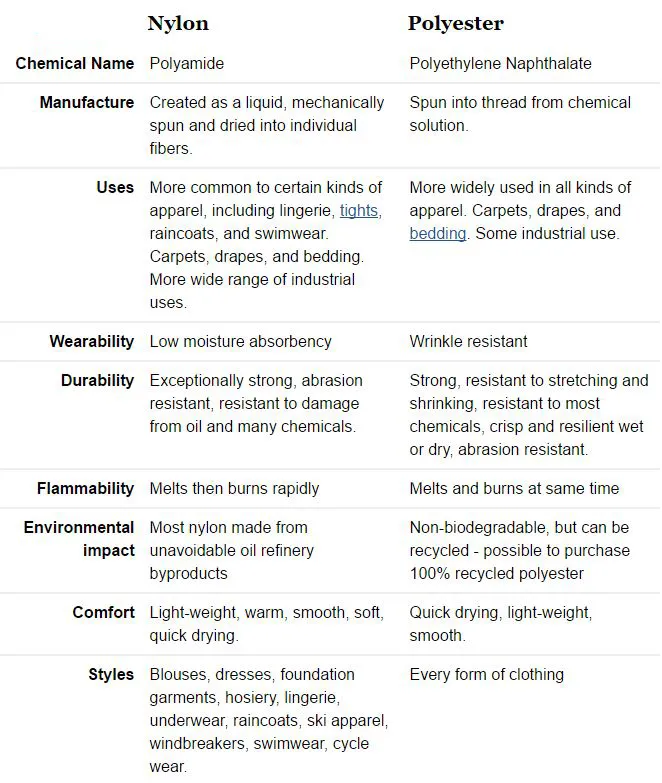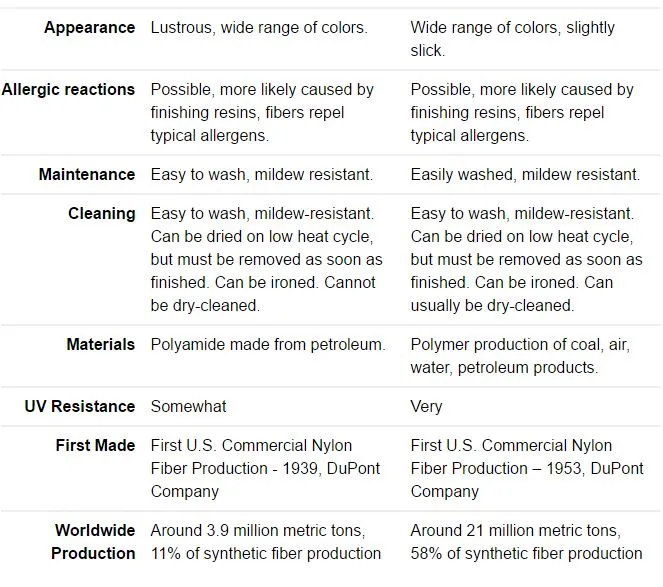
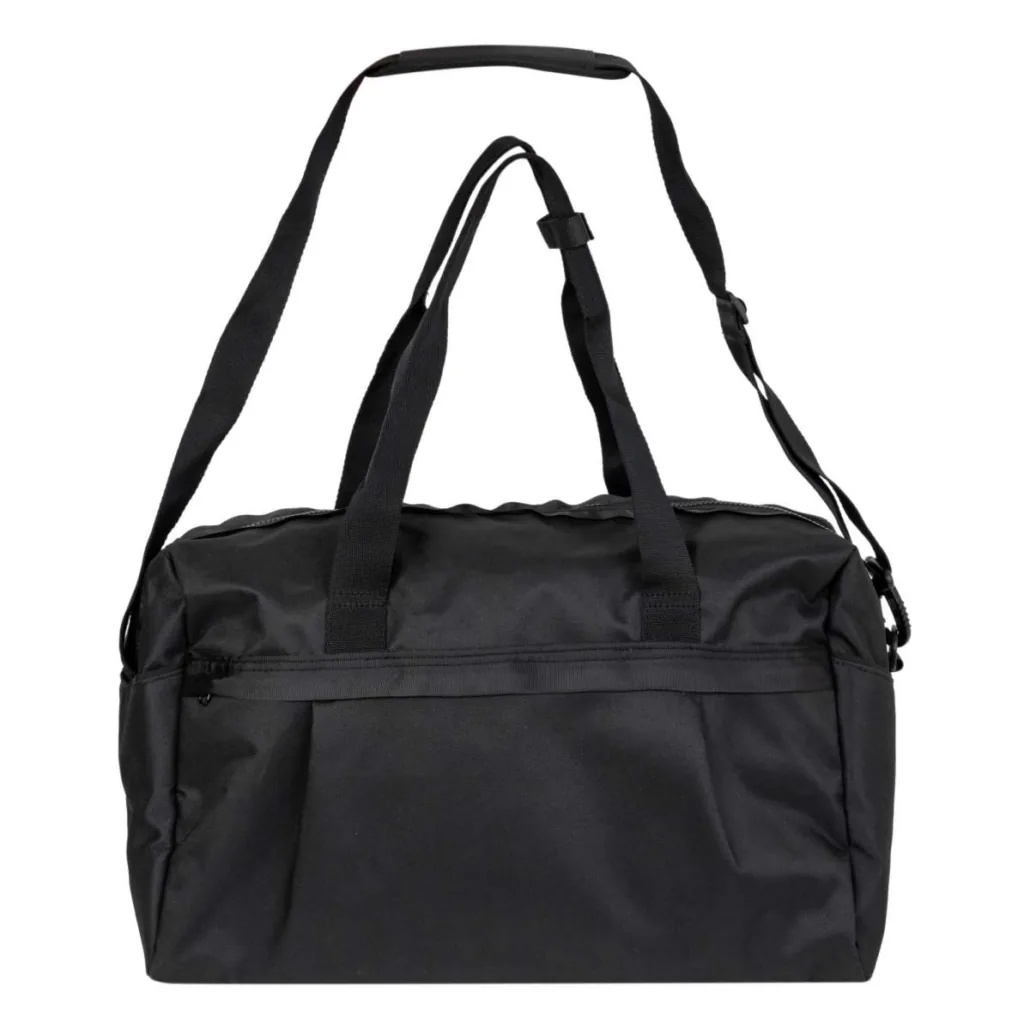
“600D” and “900D” describe nominal yarn-denier directions, not complete bag-fabric specifications. The larger number can suggest a heavier yarn, but it does not by itself prove fabric weight, thickness, strength, abrasion resistance, waterproofness or finished-bag durability.
Direct answer: Choose between 600D and 900D polyester by comparing the exact woven fabrics—not the denier labels alone. Specify fibre composition, yarn and weave, fabric weight, thickness, coating or lamination, colour, finish and required performance. Then review sewing behaviour and validate the complete bag, because lining, foam, reinforcement, seams, webbing, hardware and load paths can matter as much as the face fabric.
What does “D” mean?
Denier is a yarn linear-density unit: it expresses mass in grams per 9,000 metres of yarn. A nominal 900D yarn is therefore a heavier yarn direction than a nominal 600D yarn when compared on the same basis.
However, the label on a fabric listing may not tell you:
- whether warp and weft use the same yarn;
- filament count or yarn construction;
- thread density and weave pattern;
- finished fabric weight in grams per square metre;
- physical thickness;
- coating or lamination type and amount;
- surface treatment, calendaring or other finish;
- colour, dyeing route or lot;
- usable width and dimensional stability;
- measured performance.
Denier is one field in a material specification, not a quality grade.
600D vs 900D: practical comparison
| Selection factor | 600D direction | 900D direction | What must still be confirmed |
|---|---|---|---|
| Nominal yarn direction | Lower denier than 900D | Higher denier than 600D | Actual warp/weft yarn and construction |
| Potential hand feel | May be more flexible or easier to turn in some builds | May feel firmer or more substantial in some builds | Weave, GSM, thickness, coating and finish |
| Bulk at seams | May create less bulk in some constructions | May create more bulk where layers stack | Layer count, foam, binding, seam type and equipment |
| Finished weight contribution | May be lower in comparable constructions | May be higher in comparable constructions | Measured fabric and finished-bag weight |
| Visual texture | Can range from smooth to visibly woven | Can range from smooth to visibly woven | Yarn shape, weave, finish, colour and coating |
| Structure | Can support soft or structured bags depending on the system | Can support soft or structured bags depending on the system | Lining, foam, board, reinforcement and pattern geometry |
| Performance | Not established by 600D alone | Not established by 900D alone | Project-specific material, seam and finished-product evidence |
These are material-development directions, not promises. A tightly constructed and appropriately coated 600D fabric can differ substantially from another 600D fabric, just as two 900D fabrics can differ from each other.
Denier, GSM and thickness answer different questions
| Measurement | What it describes | What it does not prove |
|---|---|---|
| Denier (D) | Yarn linear density | Finished fabric weight, thickness or strength |
| GSM | Fabric mass per unit area | Yarn identity, thickness, stiffness or durability |
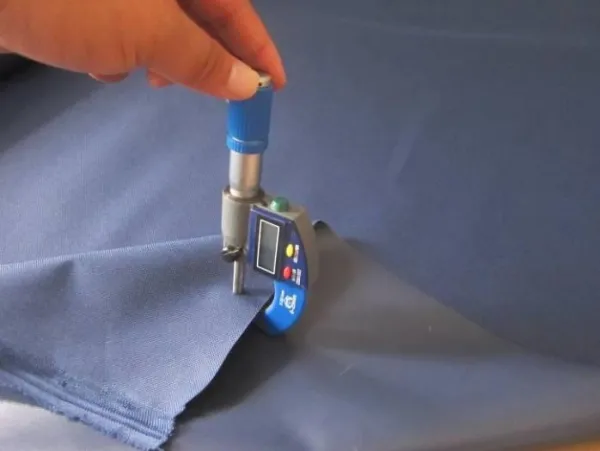
| Thickness | Distance between fabric surfaces under a stated method | Fabric mass, tensile strength, tear strength or coating adhesion |
| Thread or pick density | How yarns are arranged within an area | Complete performance without yarn, weave and finish context |
| Coating or lamination detail | Backing material and application direction | Finished-bag waterproofness or seam performance |
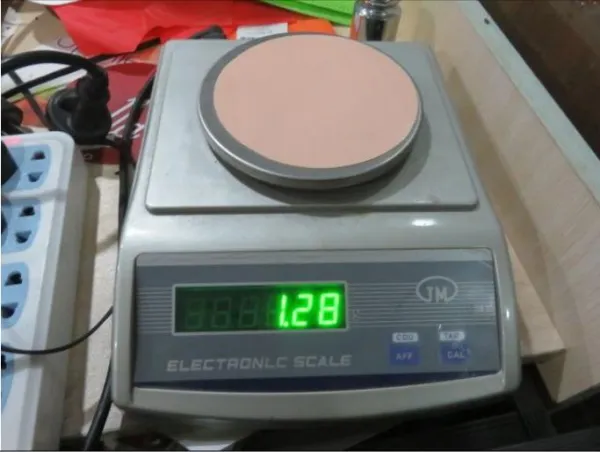
Record the method and sample condition for measurements. Coating, pressure, conditioning and the part of the swatch measured can affect reported values.
Build a complete polyester fabric specification
For comparable supplier quotations and samples, identify:
- fibre composition and any claim that requires evidence;
- warp and weft yarn direction where relevant;
- weave or fabric construction;
- finished fabric weight and tolerance;
- thickness and measurement method where needed;
- colour reference and approval method;
- coating, lamination or backing type;
- face and reverse-side appearance;
- surface treatment and hand-feel direction;
- usable width and roll or lot identification;
- performance requirements linked to intended use;
- care and storage requirements.
Avoid specifying “600D waterproof polyester” as the complete material line. It leaves composition, construction, coating, colour, performance and evidence open to interpretation.
Weave and yarn construction can change the result
Fabric appearance and behaviour depend on how yarns interlace and how the yarn itself is made. Thread density, yarn shape, filament construction and weave can influence:
- surface texture and print appearance;
- drape, stiffness and recovery;
- snagging or fraying behaviour;
- opacity and coating support;
- cutting and edge handling;
- seam bulk and needle penetration;
- measured tensile, tear or abrasion results.
A higher denier does not compensate for an unsuitable weave or uncontrolled construction.
Coating and lamination matter
Polyester bag fabric may include a backing or surface treatment for appearance, structure, opacity, fray control or resistance to moisture penetration. The same nominal denier can be offered with very different backings.
Ask:
- what coating or lamination is proposed;
- which side carries it;
- whether appearance, feel or odour limits apply;
- how folding, sewing, printing and heat exposure affect it;
- whether colour or coating migration is a concern;
- which material-level test and acceptance criteria apply;
- whether the finished-bag claim needs additional seam and construction testing.
“PU-coated,” “PVC-backed” or another short material phrase is still not a complete performance claim. Chemistry, application, weight, curing, adhesion and final construction influence the outcome.
600D vs 900D does not answer waterproofness
Denier measures yarn linear density, not water ingress. A finished bag can admit water through:
- seams and needle holes;
- zipper tracks and zipper ends;
- unsealed edges;
- pocket openings and access panels;
- hardware attachment points;
- worn, folded or damaged coatings;
- interfaces between different materials.
Define whether the requirement concerns fabric resistance, a spray exposure, rain use, water pressure, leakage or submersion. Then state the method, duration, orientation, sample condition and acceptance criteria. Use the water-resistant, water-repellent and waterproof guide to separate these claims.
How fabric choice affects cutting and sewing
A heavier, thicker or more heavily coated fabric may influence:
- spreading and cutting consistency;
- pattern nesting and material yield;
- fraying and edge treatment;
- needle, thread and stitch selection;
- feeding through multiple layers;
- seam turning and topstitch appearance;
- binding around corners;
- bulk where fabric, foam, webbing and reinforcement overlap;
- zipper installation and panel alignment;
- equipment or process requirements.
A more flexible fabric may be easier to fold or turn, but could need foam, lining or reinforcement to achieve the intended structure. Material selection should therefore happen with pattern and construction development, not as an isolated swatch decision.
Finished bag structure matters more than one label
A backpack, tool bag or sport bag is a material system. The face fabric works with:
- lining and pocket fabric;
- foam, board and reinforcement;
- webbing and binding;
- zippers, buckles and other hardware;
- seam type, stitch construction and allowances;
- shoulder-strap, handle and anchor geometry;
- bottom and corner construction;
- pattern shape and load distribution.
A high-denier face fabric cannot correct an underspecified handle anchor, weak seam, unsuitable buckle or poorly distributed load path. Conversely, a carefully engineered build may use different materials in high-wear, low-stress and folding areas.
Where 600D or 900D may be discussed
Backpacks
Consider total weight, carrying comfort, panel structure, device protection, zipper access and strap anchors. Different panels may justify different materials. Browse custom backpack references as development directions, not performance proof.
Sport and travel bags
Review volume, base wear, handle wrap, shoulder-strap attachment, shoe or wet compartments and packing behaviour. The sport bag category shows construction directions; load and durability remain project-specific.
Tool and equipment bags
Define the tools, sharp edges, dirt, load, compartment retention and base structure. Face fabric denier alone does not establish puncture, cut, load or abrasion performance. Review tool bag references with a named equipment set.
Promotional and foldable bags
Weight, folding, printability, hand feel and programme economics may matter more than a heavier appearance. A higher denier can add unnecessary bulk if the intended product must pack down.
These examples are selection prompts, not fixed rules.
Compare controlled swatches
Request swatches identified by supplier, article or code, colour and lot. Compare them under the same conditions.
| Review item | What to record |
|---|---|
| Identity | Supplier, material code, nominal denier, construction and lot |
| Appearance | Colour, texture, weave, gloss and face/reverse distinction |
| Physical data | GSM, thickness and usable width with stated methods |
| Hand | Drape, stiffness, recovery and fold behaviour |
| Backing | Type, coverage, uniformity, adhesion direction and visible defects |
| Decoration | Print, transfer or embroidery trial on the selected face |
| Sewing | Edge handling, feeding, needle marks, seam bulk and turning |
| Care | Proposed cleaning method and changes after representative exposure |
| Performance | Project-relevant material methods and results |
Do not approve from a small photograph or denier label alone.
Select tests from the intended use
Potential material or component checks may address:
- mass, thickness or dimensional consistency;
- tensile or tear behaviour;
- abrasion or surface wear;
- colourfastness under relevant exposure;
- coating or lamination adhesion;
- water-related fabric performance;
- low-temperature, heat, flexing or chemical exposure where relevant;
- print or decoration compatibility.
The finished bag may also require seam, handle, strap, zipper, buckle, loaded-use or other checks. Test names, methods, conditioning, sample direction, limits and acceptance criteria must be selected for the specific market and use.
Benshine factory images show examples of material and bag checks, but they do not mean every method is automatically included in every order. Build an order-specific quality control plan.
Sample approval sequence
- Define the user, contents, load, exposure and care needs.
- Shortlist controlled 600D, 900D or other material directions.
- Compare identified swatches and measured specification fields.
- Trial decoration, cutting, sewing and folded layer build.
- Produce a representative bag sample with approved components.
- Review appearance, dimensions, structure, access and loaded behaviour.
- Complete agreed material and finished-product tests.
- Freeze the material code, colour, backing and approved sample revision.
- Require written review before substitution.
A swatch approval should not silently authorize a different supplier, finish, coating, colour or lot direction.
RFQ checklist for polyester bag material
Send Benshine:
- bag type, user and intended use;
- named contents and representative target load;
- 600D, 900D or open material direction;
- required composition, colour, texture, hand and structure;
- coating, lamination or backing requirements;
- printing, transfer, embroidery or other decoration;
- relevant exposure, care and performance requirements;
- test methods and evidence expected;
- quantity by colour and variant;
- packaging, destination and delivery terms;
- reference sample or images with the desired and undesired features marked.
Benshine can compare material directions for a controlled custom bag project. Availability, specification, performance, MOQ, price, sample timing and production timing require confirmation against the selected fabric, construction and order.
Continue your material research
- Compare nylon and polyester for bags
- Choose a bag structure for intended use
- Review bag seams and stitch construction
- See how custom bags are made
- Browse Benshine product categories
- Send Benshine a controlled material and product brief
Quick answers
What is the difference between 600D and 900D polyester?
The nominal denier refers to yarn linear density, so 900D generally indicates a heavier yarn direction than 600D. It does not fully specify the woven fabric. Yarn construction, weave, fabric weight, thickness, coating, finish and quality controls can make two fabrics with the same denier behave differently.
Is 900D polyester always stronger or more durable than 600D?
No. A higher denier alone does not guarantee tensile, tear, abrasion, seam, coating or finished-bag performance. Compare representative materials and validate the properties relevant to the actual bag construction and use.
Is 900D polyester waterproof?
Denier does not establish waterproofness. Water ingress depends on the face fabric, coating or lamination, seams, needle holes, zippers, openings and finished construction. Define the intended exposure and test the representative product.
Is 600D polyester suitable for backpacks?
It can be a feasible material direction for some backpack panels, but suitability depends on fabric construction, coating, lining, foam, reinforcement, load paths, expected use and evidence requirements. Approve the exact material and loaded sample rather than the denier label alone.
Does 900D polyester make a bag heavier?
It may contribute to a heavier or firmer fabric direction, but finished weight also depends on fabric GSM, coating, lining, foam, reinforcement, webbing, hardware and dimensions. Request measured swatch and finished-sample data for the selected build.
How should buyers compare 600D and 900D fabric samples?
Compare controlled swatches for identity, construction, weight, thickness, colour, texture, coating, stiffness, folding and sewing behaviour. Then test project-relevant properties and approve a representative finished bag with the full material and reinforcement system.