Handbag care begins with identification, not a universal cleaning recipe. A bag can combine textile, leather or synthetic-leather panels, coatings, foam, boards, adhesives, print, lining and plated hardware. A method that is safe for one layer may damage another.
Direct answer: Follow the product’s care label first. Identify the shell, lining, trims, coating and decoration; remove loose soil; test the approved method on a hidden area; clean gently without saturating the structure; and dry naturally in a supported shape. Do not assume soap, conditioner, waterproof spray, machine washing or metal polish is safe for every handbag.
Handbag care at a glance
| Situation | Safer starting point | Avoid assuming |
|---|---|---|
| Routine dust | Empty bag and use a clean, soft, dry tool | All surfaces tolerate a damp cloth |
| Small mark | Follow label and hidden-area spot test | One cleaner suits every material |
| Unknown stain | Blot if appropriate and seek material-specific advice | Rubbing harder removes it safely |
| Wet bag | Blot, support and air-dry away from direct heat | Hair dryers or sunlight speed drying safely |
| Storage | Clean, dry, lightly support and protect from pressure | Tight stuffing or hanging preserves shape |
| Damage | Stop use if load-bearing parts are affected | Glue or home stitching restores original strength |
For backpacks, use the dedicated backpack washing and cleaning guide. This page focuses on handbag and shoulder-bag constructions, including mixed materials and structured shapes.
Read the care label and brand instructions first
Look inside pockets and lining for care symbols, written instructions and material descriptions. Check the original product page or documentation if available. Product-specific instructions take priority because the maker may know the coating, adhesive, foam, board and finish that are not visible.
Absence of a label does not mean the bag is washable. If material identity is uncertain, choose dry dust removal only and ask the brand, retailer or qualified specialist before using liquid or chemical products.
Photograph the bag before cleaning, including stains and existing wear. This provides a condition record and helps a professional assess later changes.
Identify every visible and hidden material
Inspect the shell, base, gussets, handles, edge paint, lining, zipper tape, print, embroidery, patches, piping and hardware. Look for different textures or reverse sides. A textile panel can have an invisible coating; a leather-looking trim can be natural, bonded or synthetic; a structured wall can contain foam or board.
Mixed materials make whole-bag washing riskier. Water safe for a textile may mark leather trim, release adhesive, deform board or change metal finish. Care decisions should follow the most sensitive relevant component, not only the largest panel.
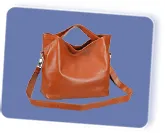
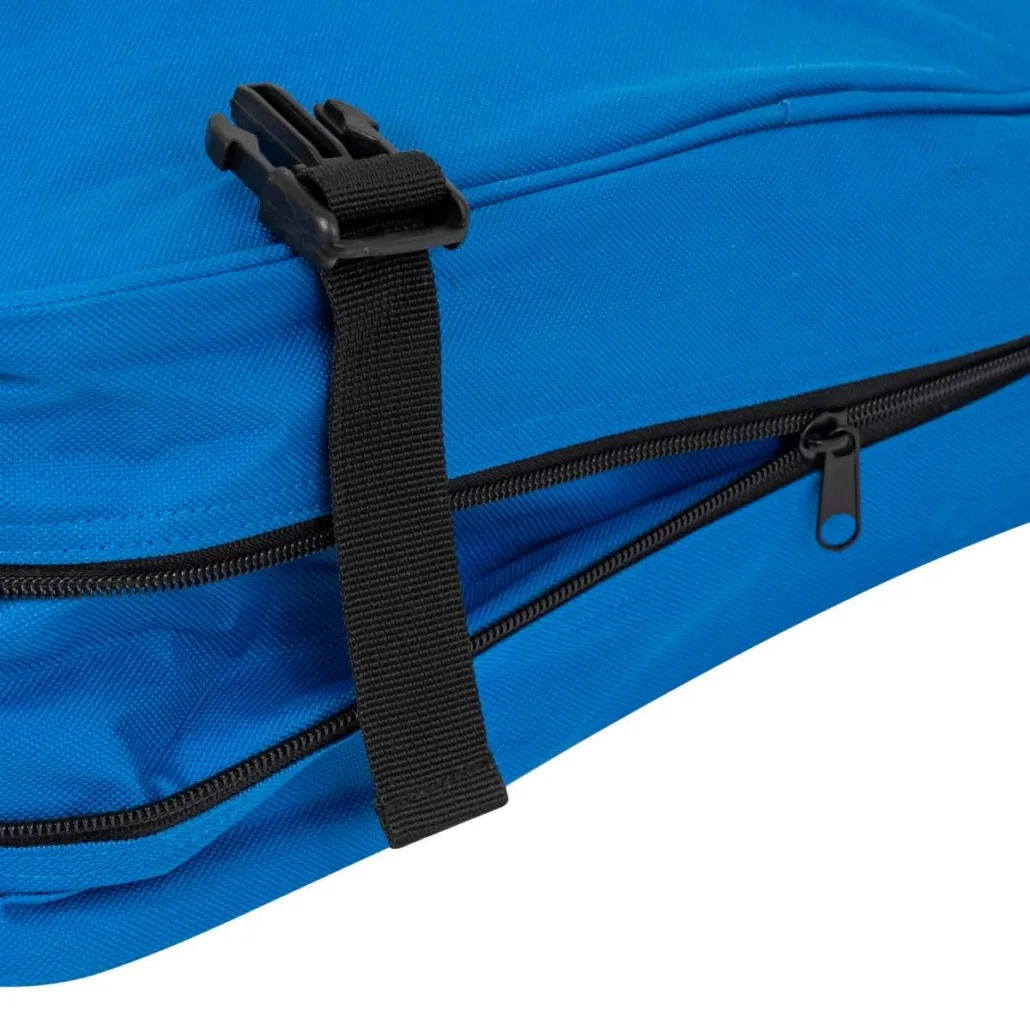
BE011 illustrates why handbag care must consider shell panels, handles, straps, zippers, hardware and lining together. The image does not establish a universal cleaning method.
Empty and inspect before cleaning
Remove contents, detachable straps, inserts and loose accessories only where the product design allows it. Open every pocket and shake out dry debris carefully. Use a soft brush or low-suction vacuum with a protective screen only if the material and construction tolerate it.
Inspect seams, anchors, edge paint, coatings and lining for weakness. Cleaning can worsen peeling, cracking or loose stitching. Stop and seek repair first when a load-bearing handle or strap anchor is torn.
Note colour transfer, mould-like growth, odour, oil, ink and unknown chemicals separately. These need different responses and should not be treated as ordinary dust.
Always perform a hidden-area test
Use the exact cloth, cleaner, concentration and motion planned for the visible area. Choose an inconspicuous place that still represents the same material and finish. Apply a small amount, avoid spreading and allow the area to dry fully before assessment.
Check colour, gloss, texture, stiffness, tack, coating, print and colour transfer to the cloth. A result can look acceptable while wet and change after drying, so do not judge immediately.
A hidden-area test reduces risk but does not guarantee the entire bag will react identically. Worn zones, different dye lots and material combinations can behave differently.
Remove surface dust gently
For routine care, begin with a clean, dry, lint-free cloth or material-appropriate soft brush. Work without grinding particles into the surface. Clean along seams, piping and hardware carefully, where debris can collect.
Do not scrub coated, printed, metallic, suede-like or delicate surfaces. Avoid household wipes unless the product instructions confirm compatibility; they may contain alcohol, fragrance, oils or other ingredients that change colour or finish.
Regular gentle dust removal can reduce the need for aggressive cleaning, but no schedule fits every bag. Frequency depends on use, environment, colour and storage.
Approach textile handbags by construction
Canvas, cotton, polyester and nylon are broad fibre or construction labels, not care instructions. Dyes, coatings, backing, print, interfacing, leather trim and internal supports can control the safe method.
If the care label permits spot cleaning, use the named cleaner or a method approved by the maker. Apply minimal moisture with a clean cloth, work from the edge of the mark inward where appropriate and avoid saturating seams. Blot rather than rub aggressively.
If hand or machine washing is explicitly allowed, follow the stated water temperature, detergent, cycle, hardware protection and drying method. Otherwise, do not infer washability from a fabric name.
Treat leather and leather-like surfaces separately
Natural leather varies by tanning, finish and surface treatment. Suede and nubuck differ from smooth finished leather, while patent, coated, bonded and synthetic leather can require completely different products. Visual appearance may not identify them reliably.
Do not apply generic conditioner, cream, oil, alcohol or saddle soap without material-specific confirmation. Products can darken colour, alter gloss, soften structure, lift finish or affect stitching and adhesives. Use a specialist for valuable bags, unknown finishes and significant stains.
If the maker approves a cleaner or conditioner, apply it as instructed after a hidden-area test. Avoid product buildup near edge paint, hardware and textile panels.
Clean the lining without soaking the shell
First remove loose debris. If the lining can be pulled out without strain, support it and follow the approved spot method while protecting the shell. Do not force fixed lining through a small opening or pull on pocket seams.
Use minimal moisture and prevent liquid from reaching foam, boards, leather, adhesive or outer panels. Blot cleaned areas and keep the bag open during natural drying. Check hidden corners and padded pockets for retained moisture.
Ink, cosmetics, oil and fragrance can spread under rubbing or react with cleaners. Seek specialist advice for unknown or high-risk stains rather than layering multiple products.
Respond to spills without aggressive rubbing
Remove the source and blot excess liquid with a clean, absorbent, colourfast cloth when appropriate. Work gently and avoid driving liquid across a larger area. Do not use heat to force drying.
For oil, dye, ink, perfume, cosmetics or household chemicals, record the substance and consult product-specific guidance. Combining stain removers can create new damage. A stain that cannot be safely removed may be less harmful than colour loss, coating failure or structural distortion caused by treatment.
If the spill could be hazardous or biologically contaminated, ordinary handbag care guidance is not sufficient. Follow appropriate safety procedures or dispose of the item as advised by a qualified party.
Dry naturally in a supported shape
Blot surface water and open compartments to allow airflow. Position the bag so moisture can escape without placing concentrated pressure on handles, straps or soft panels. Use clean, colourfast, acid-free support material where appropriate, but do not overstuff.
Keep the bag away from radiators, hair dryers, tumble dryers, direct prolonged sunlight and other strong heat unless product instructions explicitly allow them. Heat can shrink textiles, harden leather, deform foam, warp boards and weaken adhesives.
Allow the shell, lining, pockets and padding to dry fully before closing or storing. Do not use the bag while load-bearing materials remain wet or softened.
Do not add waterproofing automatically
Waterproof or protective sprays can change colour, gloss, hand, breathability, print adhesion and future cleanability. Aerosols may also require ventilation and personal-safety precautions. Use only a product confirmed for the exact material and finish, and follow its instructions.
A spray does not make seams, zippers or openings waterproof. The water-resistant versus waterproof guide explains why surface treatment and finished-bag ingress are different claims.
If a new protection treatment is part of a product programme, approve it on production-intent materials and the finished sample rather than recommending it generically after sale.
Protect colour and decoration
Dark textiles, denim, leather, prints and coated surfaces can transfer colour in contact, especially with moisture, heat or rubbing. Avoid prolonged contact between light and dark bags, clothing or storage materials until compatibility is known.
Print, transfer, embroidery, foil, metallic coatings and edge paint need method-specific care. Do not rub directly over decoration or apply solvents without approval. Observe whether colour transfers to a dry or damp white cloth only when the product’s test or care protocol permits that check.
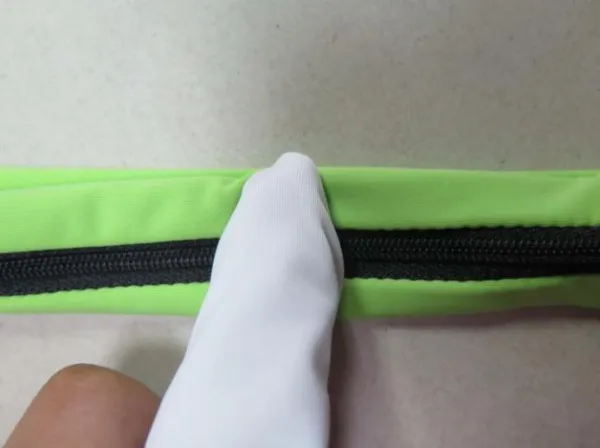
A controlled rubbing test uses specified material, pressure, cycles and assessment. Casual rubbing at home cannot establish a product colourfastness rating.
Care for hardware without polishing blindly
Remove dust with a clean, soft cloth and keep hardware dry. Avoid abrasive cloths and household metal polish unless the maker confirms compatibility. Plating, lacquer, paint, antique finishes and solid metal can react differently.
Keep liquids out of zipper tracks and nearby leather or textile. Do not force a zipper. Check for trapped lining, overpacking and alignment before deciding the component is defective. A qualified repairer should handle broken teeth, separated seams, loose rivets and load-bearing hardware.
Store detachable straps so hooks and buckles do not press into the bag surface.
Maintain shape without creating pressure marks
Empty heavy contents after use. Support structured bags lightly with clean, suitable material that does not transfer colour, ink, fragrance or acid. Keep flaps and closures in a natural position without tight tension.
Do not overstuff to force shape, and do not suspend a loaded bag from its handles for long storage. Remove or arrange shoulder straps to prevent creases and impressions. Bags designed to fold may need a documented folding method; structured bags may not.
The bag structure guide explains why foam, boards and panel construction respond differently to pressure.
Store clean, dry and separated
Choose a dry, ventilated location away from prolonged sunlight, strong heat, damp walls and pressure from other objects. A breathable dust cover can reduce dust and surface contact where appropriate. Avoid sealed plastic for long-term storage if it can trap moisture or contact finishes.
Allow space around handles and structured panels. Separate materials that may transfer colour or plasticizer. Check stored bags periodically for humidity, pests, odour, mould-like growth, surface tack and support position.
Custom dust bags can be developed around item dimensions, closure, fabric, lint, colourfastness and branding, but a dust bag does not automatically prove moisture protection, breathability or non-scratch performance.
Avoid overloading and sharp pressure
Use the bag around its intended contents and any maker-provided load guidance. Overpacking can distort panels, stress zipper teeth, stretch openings and concentrate load at handle anchors. Sharp objects can damage lining and shell from inside.
Organize dense items near supported areas and keep liquids secured separately. Do not use a decorative pocket or loop as a load point unless designed for that purpose. If the bag shape changes significantly or seams begin opening, unload it and inspect before further use.
Know when to use a repair specialist
Seek specialist help for torn handles or anchors, broken structural parts, deep leather damage, peeling coatings, extensive colour loss, mould, persistent odour, unknown stains and valuable or sentimental products. Early repair may limit further damage, but outcomes depend on material and condition.
Do not glue load-bearing seams or recolour large areas without understanding the construction. Home repairs can block later professional work. Ask the repairer to explain likely appearance, material replacement and limits before approval.
Create care instructions during product development
Brands should not copy a generic care label. Build instructions from the final BOM, coatings, decoration, structure and validated cleaning protocol. Test production-intent samples for the named method and assess colour, dimensions, shape, coating, adhesive, hardware and artwork.
Care text should state permitted and prohibited methods, cleaner if controlled, water temperature, drying, ironing or heat restrictions and special handling. Assign review responsibility for destination-market labelling.
Packaging and storage trials should reflect the same care assumptions. If a material, coating, print or supplier changes, review and revalidate the instructions.
Handbag care checklist
Before acting:
- read the product care label and original instructions;
- identify shell, lining, trims, coating, decoration and hardware;
- photograph condition and record the stain or spill;
- empty pockets and remove only designed detachable parts;
- inspect seams, anchors, edge paint and coatings;
- remove loose dust gently;
- hidden-test the exact approved method and let it dry;
- use minimal moisture and avoid mixing cleaners;
- support shape and dry naturally away from strong heat;
- store only when every layer is fully dry;
- use a qualified specialist for uncertain materials or significant damage.
Care begins with the exact construction
Benshine can help product teams define material-specific cleaning tests, care instructions, storage expectations and packaging during custom bag development. Published references illustrate constructions; they do not create universal consumer-care methods.
Explore shoulder bags, tote bags and dust bags, review the backpack cleaning guide, or discuss care validation for a custom project.
Quick answers
What is the safest way to clean a handbag?
Start with the brand or product care label and identify every material, coating, lining, trim and decoration. Empty the bag, remove loose soil and test any approved method on a hidden area. Use the least intensive method and avoid soaking unless the exact product instructions allow it.
Can a handbag be washed in a washing machine?
Only when the product's care instructions explicitly permit it. Foam, boards, adhesives, coatings, leather trims, metal finishes and print can be damaged even when the outer fabric looks washable. If instructions are unavailable, do not assume machine washing is safe.
Can leather conditioner be used on every leather handbag?
No. Finished, coated, patent, suede, nubuck, bonded and synthetic leather directions can react differently. Follow the maker's instructions and use a qualified care or repair specialist when material identity or finish is uncertain.
Should waterproof spray be applied to a handbag?
Not automatically. A spray can change colour, gloss, hand, breathability, coating, print or adhesive. Use only a product confirmed for the exact material and finish, then follow its safety instructions and test a hidden area.
How should a handbag be stored?
Store it clean and dry, lightly supported without forcing the shape, with straps and hardware positioned to avoid pressure marks. Use a breathable protective cover when appropriate and keep it away from prolonged heat, sunlight, humidity and contact with colour-transfer risks.
When should a handbag be professionally repaired?
Seek specialist advice for unknown stains, colour loss, mould, odour that persists after drying, peeling coatings, split leather, broken structural supports, torn load-bearing seams, damaged anchors or valuable and sentimental bags.