
OEM, ODM, private label and contract manufacturing are useful sourcing labels, but they are not universal service packages. Their practical meaning depends on who controls the bag design, develops the specification, sources materials, approves the sample, authorizes changes and owns the resulting work.
Direct answer: In OEM bag manufacturing, the buyer usually controls more of the design and specification. In ODM, the supplier usually contributes more design or adapts an existing platform. Private label often applies buyer branding to an existing or lightly modified base product. Contract manufacturing defines production performed to an agreed scope. In every case, the written contract, controlled specification, approved sample and responsibility record matter more than the label.
OEM vs ODM vs private label vs contract manufacturing
| Model | Typical starting point | Buyer usually controls | Supplier may contribute | Questions that must be written down |
|---|---|---|---|---|
| OEM | Buyer concept, drawing, tech pack or controlled reference | Product direction, requirements, artwork and approvals | Feasibility review, patterns, sourcing and manufacturing within the agreed scope | Ownership, development deliverables, permitted changes and production reference |
| ODM | Supplier design platform or supplier-led development | Market brief, selected options, branding and final approval | Concept development, adaptation, patterns and specification support | Exclusivity, reuse rights, ownership of changes and which elements are pre-existing |
| Private label | Existing or lightly modified base product | Branding, colour direction, labels, packaging and acceptance | Base construction, available options and production | Modification limits, availability, ownership, MOQ and evidence scope |
| Contract manufacturing | Buyer-controlled materials, patterns, specification or work package | Supplied inputs and defined manufacturing instructions | Agreed operations such as cutting, sewing, finishing, inspection or packing | Input ownership, loss allowances, process responsibility, acceptance and handover |
These descriptions reflect common sourcing practice, not legal definitions. A supplier may use the same word differently, and one project may combine elements of several models.
1. OEM bag manufacturing
An OEM project normally begins with a buyer-controlled idea, sample, drawing or technical brief. The manufacturer reviews feasibility and produces against the approved specification. The exact development input can still vary widely.
Clarify whether the OEM scope includes:
- converting sketches or a reference product into a working pattern;
- preparing a bill of materials and construction record;
- sourcing fabric, lining, foam, reinforcement, webbing and hardware;
- arranging printing, embroidery, labels or other decoration;
- producing development and pre-production samples;
- coordinating buyer-defined tests and inspections;
- packing, carton marking and shipment preparation.
“OEM” does not automatically mean that the buyer owns every pattern, manufacturing method or improvement. Ownership and permitted use should be stated in the agreement.
2. ODM bag manufacturing
ODM usually gives the supplier a larger role in design or starts from an existing design platform. The buyer may select a direction and request changes to dimensions, layout, materials, branding or packaging.
Before treating a project as ODM, ask:
- Which parts of the base design already existed?
- Which drawings, patterns or prototypes will be created for this buyer?
- Who owns buyer-funded modifications and tooling?
- May the supplier offer the base design or modified design to other customers?
- Which performance or compliance assumptions still require validation?
- What happens if the project stops before production?
ODM can reduce some early development work, but it does not eliminate specification, sampling, evidence or approval control.
3. Private-label bag manufacturing
Private label often starts with an existing or lightly modified product. The buyer may choose branding, colours, labels and packaging while retaining much of the base construction.
Possible changes include logo placement, fabric colour, zipper pulls, woven labels, hangtags, individual packaging or carton marks. More extensive changes—such as a new compartment layout, dimensions, carrying system or material build—can move the project toward custom OEM or ODM development.
Private label does not automatically mean:
- stock is available;
- the MOQ is low;
- the design is exclusive;
- every pictured colour or material is current;
- performance or compliance documents cover the selected version;
- sample or production timing is fixed.
Each point must be confirmed against the selected base product and current project conditions.
4. Contract bag manufacturing
Contract manufacturing focuses on a defined work package. A buyer might supply a pattern, fabric or complete specification while the manufacturer performs selected operations. Alternatively, the manufacturer may supply some inputs and complete an agreed sequence of cutting, sewing, finishing, inspection and packing.
The work package should identify:
- buyer-supplied and manufacturer-supplied inputs;
- material receipt, identification and storage responsibilities;
- expected loss, scrap and remaining-material handling;
- process instructions, tolerances and workmanship criteria;
- ownership of patterns, jigs, tooling and production records;
- inspection points and acceptance responsibility;
- packing, handover, delivery and nonconformity procedures.
Most projects are hybrid
A buyer may supply the concept and artwork, ask the manufacturer to develop the pattern, use an existing zipper direction, source a custom fabric and outsource a buyer-approved printing process. Calling the project “OEM” does not resolve that mixed responsibility.
Create a responsibility matrix for the actual project:
| Decision or deliverable | Buyer | Manufacturer | Joint approval |
|---|---|---|---|
| Intended use and user needs | Defines | Reviews feasibility | Confirms controlled brief |
| Product drawings and dimensions | Supplies or approves | Develops or reviews | Freezes specification revision |
| Materials and components | Sets requirements | Proposes and sources within scope | Approves named selections and substitutions |
| Artwork and branding | Supplies authorized files | Applies approved method | Approves placement and appearance |
| Samples | Reviews intended use and acceptance | Produces and records revision | Approves production reference |
| Tests and evidence | Defines market and buyer needs | Confirms availability or coordinates agreed work | Matches evidence to controlled sample and scope |
| Production changes | Assesses commercial need | Explains feasibility, cost and timing effect | Authorizes in writing before use |
The table is a planning example. Replace it with the responsibility split agreed for the specific order.
Control intellectual property and design rights
Do not assume that an industry label decides intellectual-property ownership. Address these items in writing with appropriate legal advice:
- ownership of concepts, drawings, specifications and technical files;
- ownership and custody of patterns, dies, molds, jigs or tooling;
- rights in pre-existing supplier designs and buyer-funded modifications;
- use of buyer trademarks, artwork and packaging assets;
- confidentiality, photography and portfolio permissions;
- exclusivity by design, market, customer, territory or time period;
- return, retention or destruction of files, samples and tooling;
- rights and obligations after cancellation or supplier change.
This guide is sourcing education, not legal advice. Contract terms should be reviewed for the relevant jurisdictions and commercial relationship.
Make quotations comparable
Send every supplier the same controlled RFQ. The quotation should refer to the same specification revision and state what is included or excluded.
Compare at least:
- product dimensions, construction and material assumptions;
- logo method, labels and packaging;
- sample types and approval stages;
- tests, inspections and documents;
- quantity, colour and variant assumptions;
- tooling, development and setup charges;
- delivery term, payment term and quotation validity;
- treatment of design changes and unused custom materials;
- target timing and the conditions on which it depends.
A price difference is meaningful only after these inputs are aligned. Review the custom bag MOQ and cost-factor guide.
Freeze the sample and specification together
The approved sample should be linked to a specification revision. Record dimensions, materials, colours, components, construction, branding, function, packaging, accepted deviations and required corrections.
After approval, any substitution or engineering change should identify the reason, affected specification fields, cost or timing effect, evidence impact and approving party. A chat message should not silently replace the controlled production record.
Match tests and documents to the selected design
An audit, certificate or test report has a specific entity, site, sample, method, date and scope. It does not become universally applicable because a project is called OEM, ODM or private label.
When materials, colours, coatings, components, suppliers or construction change, confirm whether existing evidence still applies or whether a new review or test is needed. Review Benshine’s scoped test documents and the certification and audit verification guide.
Which model fits which starting point?
Choose a model after defining the responsibility split:
- Consider OEM when the buyer already controls the concept or specification and needs manufacturing plus agreed development support.
- Consider ODM when supplier-led design or adaptation of an existing platform is useful and ownership boundaries can be agreed.
- Consider private label when an existing base product with controlled branding and limited modifications fits the programme.
- Consider contract manufacturing when the buyer wants a clearly bounded production operation using buyer-controlled or jointly sourced inputs.
- Use a hybrid scope when responsibilities cross these categories, then document each deliverable rather than forcing the project into one label.
Questions for an OEM, ODM or private-label bag RFQ
- What product record or design input will start the project?
- Which development deliverables are included?
- Who owns drawings, patterns, tooling, artwork and modifications?
- Which materials, components, processes and packaging are included?
- Who approves samples, substitutions and specification changes?
- Which tests, inspections and documents are required?
- Which MOQ, price and timing assumptions apply to each variant?
- How are unused custom materials and cancelled development handled?
- Which responsibilities continue after production or delivery?
How Benshine discusses manufacturing scope
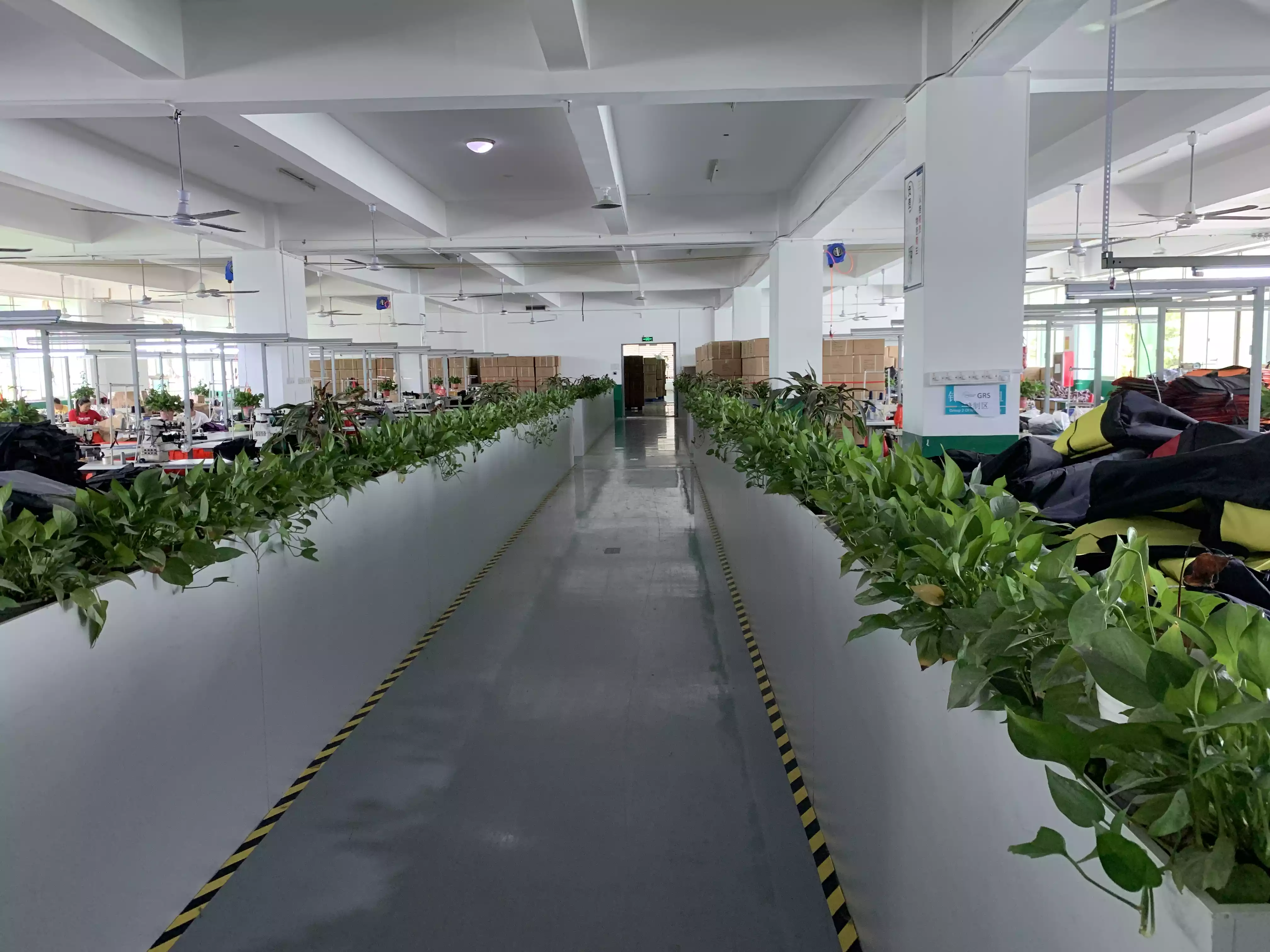
Benshine handles B2B custom bag enquiries by reviewing the buyer’s product brief, reference direction, materials, branding, packaging, quantity, destination market and evidence needs. The precise balance of buyer-controlled design, Benshine development input, sourcing and production responsibility is confirmed for the specific project.
The presence of OEM, ODM, private-label or contract-manufacturing language on this website is not a guarantee that every model, material, process, MOQ, price or timing is available for every bag. Send a controlled brief so feasibility and responsibilities can be recorded before approval.
Continue the project review
- Review the custom bag manufacturing workflow
- Learn how to compare a reliable China bag manufacturer
- Browse custom bag product categories
- Review Benshine factory evidence
- Plan custom bag quality control
- Contact Benshine with a controlled project brief
Quick answers
What is the difference between OEM and ODM bag manufacturing?
In a typical OEM project, the buyer controls more of the design and specification while the manufacturer produces to the approved record. In a typical ODM project, the supplier contributes more design or adapts an existing platform. These are working descriptions, so ownership and responsibilities must still be written into the project documents.
Does OEM mean the factory owns the bag design?
No. OEM does not determine intellectual-property ownership. The contract should identify who owns the concept, drawings, patterns, tooling, artwork, samples and later modifications, plus any permitted reuse.
Is private-label bag manufacturing the same as ODM?
Not necessarily. Private label commonly adds buyer branding, colours, labels or packaging to an existing base product, while ODM may involve broader supplier-led design or adaptation. The actual change scope and ownership terms determine the model.
Does private label automatically mean a low MOQ or fast delivery?
No. MOQ and timing depend on the selected materials, colour minimums, components, decoration, packaging, testing and current production allocation. They require a project-specific quotation and confirmation.
What should an OEM or ODM bag agreement define?
Define design and pattern ownership, development deliverables, material and component sourcing, approved sample, specification revision, substitution approval, quality controls, tests, packaging, commercial terms, confidentiality and the handling of changes or remaining materials.
Which manufacturing model does Benshine provide?
Benshine discusses custom bag projects based on the buyer's brief and the required responsibility split. A website term does not guarantee that every OEM, ODM, private-label or contract-manufacturing scope is available for every product; feasibility and responsibilities are confirmed for the specific project.