
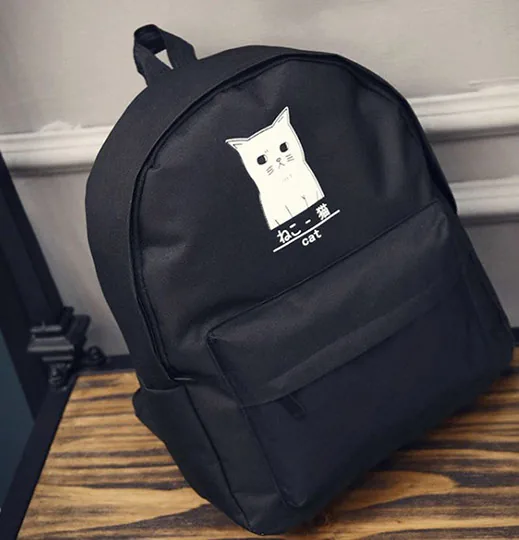
Search interest around well-known backpack brands can reveal seasonal attention, use cases and comparison questions. It cannot prove sales, market share, product quality or permission to reproduce a branded design.
Direct answer: Use branded backpack search trends as a research prompt, not a product specification. Compare terms using the same location, period and search type; record the observation date; separate relative interest from absolute demand; inspect the user questions behind each query; then validate those needs through market, customer, commercial and product evidence. Translate confirmed needs into an original backpack brief without copying trademarks or distinctive protected elements.
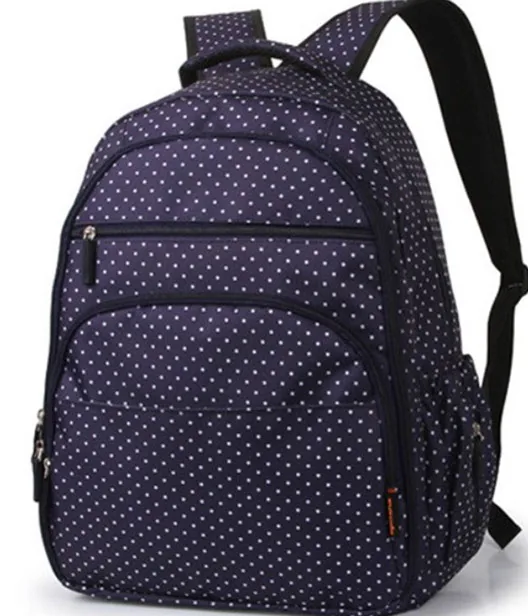
Independent analysis and trademark notice: Benshine Bags is not affiliated with, endorsed by or an authorized supplier of Nike, Adidas, JanSport, The North Face or Herschel. Images on this page show generic Benshine backpack references, not branded products. Brand and model names are used only for independent commentary on public search behaviour. All third-party trademarks belong to their respective owners.
What the recorded trend snapshot showed
On 5 September 2026, a worldwide Google Trends comparison used Web Search and a five-year window for the terms “nike backpack,” “adidas backpack,” “jansport backpack,” “north face backpack” and “herschel backpack.”
| Search term | Recorded average relative interest | Interpretation boundary |
|---|---|---|
| nike backpack | 7 | Highest relative average inside this specific five-term snapshot |
| adidas backpack | 4 | Relative search signal, not units sold or market share |
| north face backpack | 4 | Relative search signal for the entered wording, not every brand query |
| jansport backpack | 3 | Normalized value within the selected place, period and term set |
| herschel backpack | 2 | Lower value in this comparison does not measure product quality or profitability |
The values are a dated observation, not a live ranking. Google Trends rescales results within the selected query set, geography, period and search type. Changing any input can change the chart and averages.
The comparison also showed recurring rises around July and August. That pattern can support a hypothesis about back-to-school research, but seasonality should be checked by target country, year, retailer calendar and audience before inventory or campaign decisions are made.
Open the comparable term set in Google Trends. The live view may differ from the recorded 5 September 2026 snapshot because the rolling period and underlying data can change.
What Google Trends does—and does not—measure
| It can help explore | It does not establish |
|---|---|
| Relative interest over time | Absolute monthly search volume |
| Seasonality and changes in attention | Unit sales, revenue or market share |
| Regional differences in entered terms | Product availability or authorized distribution |
| Related topics and queries | Commercial intent for every search |
| Terms worth deeper research | Product quality, satisfaction or return rate |
| Changes within the chosen comparison | Causation or future demand |
Treat a zero or low value carefully: it may reflect low relative volume, insufficient data, wording differences or the scale created by stronger comparison terms.
Keep brand, topic and search-term comparisons separate
Google Trends may offer a search term or a broader topic. They are not always equivalent. A brand may be searched through abbreviations, local-language names, model names, misspellings or retailer queries.
For a reproducible research record, save:
- exact query spelling and whether it is a term or topic;
- country or region;
- date range and observation date;
- Web, Image, Shopping, YouTube or News search selection;
- category filter;
- comparison terms and their order;
- screenshots or exported data where permitted;
- notes about promotions, product launches, school calendars or other events;
- the question the research is intended to answer.
Do not merge values from separate charts as if they share one scale. Each comparison is normalized within its own settings.
Read long-tail searches as questions, not product instructions
The recorded related-query panels included model-specific and feature-led searches such as Nike Brasilia 9.5, Adidas Defender 5, JanSport Cross Town Plus, The North Face Borealis Mini and Herschel Kaslo.
Those names can reveal research questions:
| Search pattern | Possible user question to investigate | Original-product research direction |
|---|---|---|
| Model name plus “size” or capacity | Will the bag fit a device, folder, sport kit or trip? | Measure named contents and validate usable internal dimensions |
| “Mini” or compact model | Can a smaller format still carry essential items? | Define essential load, access and strap fit before styling |
| Model name plus laptop or tech | How is a device organized and accessed? | Build a device-and-access brief around actual hardware dimensions |
| Brand plus school or campus | Does it support daily educational use and seasonal needs? | Research user size, books, device, lunch, activity load and care |
| Brand plus travel | Does it suit a transport rule or packing workflow? | Check current operator limits and loaded dimensions; do not promise carry-on eligibility |
| Brand plus cleaning | How can the exact product be maintained safely? | Define material-specific care and a validated care label |
A growing model query does not authorize reuse of its construction, distinctive appearance, name or logo. It identifies a question that may deserve independent research.
Use a four-layer demand check
Do not move from one trend chart directly to production. Validate the opportunity in four layers.
1. Search evidence
Compare consistent trend settings, keyword-tool estimates where appropriately licensed, search-result intent and recurring customer questions. Separate branded navigation from feature, problem and category research.
2. Market evidence
Review the target country’s retail channels, price bands, product availability, review themes, returns information where legitimately available and seasonality. A popular search can still have poor fit with the intended channel or margin.
3. Customer evidence
Interview or survey the intended users. Ask them to show what they carry, where current bags fail, which pockets they use, how they commute and how they clean or store the bag. Observed tasks are more useful than asking whether they “like” an isolated feature.
4. Product and commercial evidence
Check dimensions, construction feasibility, material minimums, decoration, testing, packaging, target quantity, price assumptions and timeline. A promising concept may need simplification to become manufacturable and commercially coherent.
Record which evidence supports each decision and which assumptions remain open.
Separate inspiration from infringement risk
Market research can examine public products and customer needs, but an original programme needs clear intellectual-property boundaries.
Do not request:
- another company’s logo, word mark, monogram or unauthorized artwork;
- a counterfeit or “1:1” replica;
- copied labels, packaging, hangtags or authenticity devices;
- misleading claims of affiliation, endorsement or authorized supply;
- reproduction of distinctive protected design or trade dress without rights;
- photographs of branded products presented as Benshine production.
A buyer should own or have permission to use the trademarks, artwork and other protected assets it supplies. Questions about design rights, trade dress, patents, copyright, trademark use or market-specific risk require qualified legal advice; this page is not legal advice.
Translate demand into an original opportunity brief
Start with the customer problem, not a competitor model.
| Brief field | Question to answer |
|---|---|
| Target user | Who carries the bag, and in which market? |
| Main journey | School, work, gym, day travel, outdoor use or another defined task? |
| Real load | Which named items, dimensions and representative weight must be carried? |
| Access sequence | What must be reached first, frequently or securely? |
| Carrying system | Which adjustment range and loaded-use review are needed? |
| Material direction | Which appearance, hand feel, care and performance requirements matter? |
| Original identity | Which buyer-owned colours, shapes, graphics and brand assets create distinction? |
| Evidence | Which tests, inspections, documents and acceptance criteria are required? |
| Commercial frame | Quantity by variant, target positioning, packaging, destination and delivery terms? |
| Approval | Who signs off the specification, sample, changes and production reference? |
Use the school, work and travel backpack buying guide for the detailed fit, capacity, access and sample checklist.
Build a feature hierarchy
Classify every proposed feature:
- Essential: without it, the product does not solve the defined user task.
- Differentiating: it makes the original offer meaningfully easier to recognize or use.
- Optional: useful only if cost, weight, complexity and MOQ effects remain acceptable.
- Unsupported: no clear customer, commercial or evidence basis yet.
- Excluded: conflicts with rights, safety, performance, price or project scope.
This hierarchy helps prevent a trend-led concept from becoming a collection of unrelated popular features.
Plan around seasonality without promising demand
If target-market research confirms a recurring school-season window, work backward from the required in-market date. Include time for:
- opportunity and rights review;
- product brief and feasibility discussion;
- materials, components and artwork development;
- sample rounds and controlled approval;
- required testing or evidence review;
- production allocation and quality controls;
- packaging, logistics and channel preparation;
- contingency for changes or failed assumptions.
Benshine does not publish a universal development, sample or production lead time on this guide. Timing depends on the controlled design, materials, components, testing, quantity, approvals and current production conditions.
Compare original concepts with a decision matrix
| Criterion | Concept A | Concept B | Evidence or open question |
|---|---|---|---|
| User-task fit | Named journey and load | ||
| Original differentiation | Buyer-owned design and brand assets | ||
| Access and organization | Task walkthrough and loaded sample | ||
| Carrying-system fit | Representative user and load review | ||
| Material and care | Selected build and care validation | ||
| Manufacturing complexity | Pattern, operations, components and subcontracting | ||
| Evidence burden | Market, performance and buyer requirements | ||
| Commercial fit | MOQ layers, quotation scope and delivery assumptions | ||
| IP and claim risk | Rights and qualified review where needed |
Use the matrix to document decisions, not to create an unsupported numerical score.
How Benshine supports original backpack development
Benshine can review a buyer’s target user, intended use, reference direction, load, dimensions, compartment plan, carrying system, materials, buyer-owned branding, packaging, quantity assumptions, destination and evidence needs.
Reference products and search data are discussion inputs, not instructions to copy protected elements. Project feasibility, pattern development, material availability, MOQ, pricing, testing, sample timing, production timing and performance are confirmed for the controlled original design.
Keep branded buying and care questions on the exact product
For a genuine branded backpack, use the brand’s current official product listing, style code, retailer authorization information and sewn-in care label. Specifications and instructions can differ by model, market and production period.
This page does not certify authenticity, compare live prices or provide model-specific cleaning directions. Use the general backpack buying guide and material-aware cleaning guide only as supporting checklists; exact brand instructions take priority.
Continue original backpack planning
- Browse Benshine custom backpack references
- Compare school bag directions
- Review sport bag formats
- Understand OEM, ODM and private-label responsibilities
- Review custom bag MOQ and cost factors
- Send Benshine an original backpack brief
Quick answers
Is Benshine affiliated with Nike, Adidas, JanSport, The North Face or Herschel?
No. This is independent educational analysis. Benshine is not affiliated with, endorsed by or presented as an authorized supplier of these brands. The page uses generic Benshine backpack images, and all third-party trademarks belong to their respective owners.
Does a higher Google Trends value mean a backpack brand sold more products?
No. Google Trends reports normalized relative search interest for the selected terms, place, period and search type. It is not absolute search volume, unit sales, revenue, market share or proof of buyer intent.
Can Google Trends identify which backpack design should be copied?
No. Search data may suggest audiences, use cases or questions worth researching, but it does not authorize copying logos, artwork, protected design elements, trade dress or other intellectual property.
How should a brand validate a backpack search opportunity?
Combine search signals with target-market research, customer interviews, retailer or marketplace evidence, price and competitor mapping, returns or review themes, product feasibility, applicable legal review and controlled sampling.
Can Benshine make a backpack with another brand's logo?
Benshine requires the buyer to have appropriate rights and authorization for supplied trademarks, artwork and protected elements. This guide does not offer counterfeit, replica or unauthorized branded production.
What should an original backpack development brief contain?
Define the user, use case, load, dimensions, compartment sequence, carrying system, materials, construction, branding owned or authorized by the buyer, performance and evidence needs, packaging, quantity assumptions and approval process.